28 Mar 2020

UK government buried 2016 report exposing catastrophic NHS failings during flu pandemic

Steve James

Late in 2016, the British government and health authorities held “Exercise Cygnus,” a three-day training exercise intended to determine readiness for a novel respiratory influenza pandemic.
Cygnus aimed to test coordination between hospitals, health authorities, those tasked with tracking the disease and central government. The results of the report have never been made public. At the time, however, the British government’s then chief medical officer, Professor Sally Davies, told a health conference, World Innovation in Health, that the exercise “killed a lot of people.”
She explained, starkly, “It became clear that we could not cope with the excess bodies, for instance. It becomes very worrying about the deaths, and what that will do to society as you start to get all those deaths ...”
Davies added that internal problems were compounded by “the lack of vaccines and then the global traffic and the lack of solidarity ... a severe one will stretch everyone.”
A 2017 Board Paper from Matthew Swindells, operations and information director of NHS [National Health Service] England, underscored the point that the exercise “challenged the NHS to review its response to an overwhelmed service with reduced staff availability.”
Four years later, very little can be found on Cygnus. The report has been buried for fear workers would be alerted to the immense dangers posed by a pandemic. This would have cut across the drive of the ruling class everywhere to slash social spending to enrich themselves.
COVID-19 is a novel form of coronavirus, a large family that includes previously highly dangerous forms such as Severe Acute Respiratory Syndrome (SARS-CoV) and Middle East Respiratory Syndrome (MERS-CoV). But the exercise examining the impact of a new and virulent flu strain is of immediate relevance.
Cygnus came after years in which governments and public health authorities worldwide had already come to a broad understanding of the dangers posed to millions by a novel influenza virus, new strains of which emerge every few months.
In 2011, the Organisation for Economic Development and Cooperation (OECD) steering group on global shocks considered a flu pandemic as among the most serious society was likely to face. It warned, “Over the past three centuries, a flu pandemic has been identified every 25 to 30 years on average.”
Factors multiplying their impact included poor health policies, poor water supply and underlying ecological and socioeconomic changes, while “the increasing number of highly populated and heavily concentrated mega-cities, where weak public health systems and unsanitary living conditions often prevail, is a trend that exacerbates vulnerability factors for pandemics.”
The US National Intelligence Council warned, “An easily transmissible novel respiratory pathogen that kills or incapacitates more than one percent of its victims is among the most disruptive events possible. Such an outbreak could result in millions of people suffering and dying in every corner of the world in less than six months.”
The failure to prepare for an event such as the COVID-19 pandemic is criminal. Publicly available documents make clear that the British government knew what was coming, if not exactly when.
In 2011, the Department of Health (DoH) published its “UK Influenza Pandemic Preparedness Strategy 2011” and circulated it to hospitals, health boards and local authorities. It acknowledged that “large swathes of the population may become infected by the new virus over a relatively short period of time,” possibly leading to “significant severe illness and mortality.”
The DoH outlined a “reasonable worst case” based on previous pandemics, warning of up to 50 percent of the population suffering symptoms over one or more pandemic waves lasting 15 weeks. Assuming no effective treatment was available, a death rate of 2.5 percent could be anticipated. This would equate to around 750,000 people, although the authors reduced this, assuming some level of care, to between 210,000 and 315,000. Half of those could be expected to occur during the three peak weeks of the pandemic.
Critical care services would, in the case of a severe illness, be overwhelmed. “Critical care services are both small and specialist so have limited capacity to expand … demand may continue to escalate causing acute pressures on all health services, particularly during the peak weeks.” Therefore, “it may be necessary to prioritise access to some services in an ethically appropriate way.”
Britain currently has less than 5,000 intensive care beds. At this moment, exhibition and conference centres are being requisitioned in the frantic hope of perhaps doubling this total in time for the imminent and likely overwhelming “surge” in critical cases.
The DoH warned that the police and the military would be impacted by the disease and “resilience plans should not therefore assume that local military units would provide support or have personnel available with either the requisite skills or equipment to perform specialist tasks.”
Public Health England’s “Pandemic Influenza Response Plan 2014” underscored the continuing importance attached to the pandemic threat. “Given the uncertainty and the potential impact of influenza pandemic, pandemic influenza has been classified by the Cabinet Office as the number one threat to the UK population,” it stated.
The 2017 Cabinet Office National Risk Register of Civil Emergencies again highlighted pandemic flu as the highest impact emergency the country was likely to face, equaled only by large-scale chemical, biological, radiological or nuclear attacks. The register reiterated the figure of between 20,000 and 750,000 prospective fatalities.
For nearly a decade, probably much longer, the British government and public health authorities and their peers internationally have been preparing, on paper at least, for a flu pandemic likely to kill millions worldwide.
Yet nothing was done, as cuts of tens of billions of pounds to the NHS and other health services continued unabated. Today we see:
  • Conference centres, little more than large sheds, being converted into emergency hospitals and morgues to be staffed by overstressed health workers and retired volunteers risking their own lives.
  • Thousands of medical ventilators belatedly being ordered, built to competing designs by rival business consortia, none of whom will produce a meaningful number of devices by the time of the greatest “surge” of COVID-19 victims.
  • Inadequate supplies of protective equipment and cleaning materials at all levels of health provision, while engineers and buyers are scrambling frantically to source components and medicines.
  • Even the previous minimum levels of community testing—one of the most essential tools to confront and eradicate the virus—was abandoned, along with rigorous contact tracing.
While the ruling class’s criminal neglect of pandemic preparation is daily ever more apparent, the most sweeping anti-democratic emergency powers ever seen outside of wartime have been implemented with cross-party agreement. Untold sums are being poured into the bank accounts of big business, while workers are being forced to continue working in unsafe conditions as countless jobs and small businesses are wiped out.
Faced with the pandemic threat, a government committed to public health would:
  • ensure the fullest cooperation with and integration of all global scientific and medical efforts to identify, track and warn the world’s population of emerging viral dangers; mobilise whatever resources were required to stop the infection as close to its sources as possible and instigate the most rigorous testing and contact tracing;
  • pour billions into constant and easily scalable supplies of viral medications and vaccines, critical care beds, ventilators, protective equipment, as well as ensuring sufficient well-paid and trained staff capable of being mobilised;
  • make rational preparation for the most efficient emergency production of any additional resources required to provide the highest quality medical support to everyone impacted directly and indirectly by the disease and its consequences.
Working people are posed with urgently taking up the struggle for such a socialist government.


Coronavirus in Europe: Overworked hospitals become death traps

Gregor Link

The coronavirus pandemic has so far claimed over 23,000 lives worldwide as of this writing. According to data from Johns Hopkins University, the number of confirmed cases in Germany is now almost 44,000, exceeding the number of cases in South Korea (9,240) and Iran (29,400), and rapidly approaching the levels in Spain (over 56,000), the United States (almost 76,500) and Italy (almost 81,000), where the highly infectious virus has already killed more than 8,200 people and continues to rage despite a general curfew.
While the army in the north of Italy is still transporting coffins away because they can no longer be buried by the completely overburdened crematoria, in the last 24 hours over 700 people have again fallen victim to the virus.
The criminal inactivity of European governments in recent days has led to a murderous and vicious circle of overwork, infection and work absences in hospitals throughout the continent. The first threatening signs of this were announced by Italian research institutes on Tuesday. According to these reports, 5,760 of the cases of infection in Italy have been among health care workers.
A report in the New York Times gives an insight into the catastrophic conditions already prevailing in European hospitals. In the province of Brescia, the centre of the outbreak in Italy, 10 to 15 percent of doctors and nurses have been infected and incapacitated, according to a doctor from the region. But the problem is widespread throughout Europe. In Italy, France and Spain, more than 30 doctors and nurses have died of the coronavirus, and thousands of others have had to isolate themselves, according to the Times.
In France, 490 health workers have been isolated due to infection with the virus. In Spain, where the number of cases doubles every four days, the authorities say that as many as 5,400 doctors are infected, almost 14 percent of all those who are ill.
In the countryside, the Times says, some Spanish communities have had to send up to 30 percent of their nurses home for health reasons over the past week. In the capital, Madrid, the mass deaths have led to the temporary storage of corpses in the Olympic skating stadium before they can be buried.
In all three countries, the ranks of doctors and nurses are thinning, the newspaper concludes. At the same time, the percentage of infected people who are currently showing no symptoms remains unclear. As they are not sufficiently protected in their daily life-saving missions, and there is a lack of protective equipment at all corners and ends, “infected [health care] workers and their clinics are increasingly becoming active disease carriers.”
A spokesman for the Spanish nurses’ union SATSE told the Times that even when it was already known the virus was circulating in hospitals, they were told to limit the use of protective equipment to certain circumstances. The absence of their colleagues, in turn, has increased the pressure on the remaining hospital staff, who are already under extreme stress. Hospitals in Spain are already among the worst sources of infection in the country.
The assessments of leading epidemiologists and doctors leave no doubt that the catastrophe that has shaken Italy, Spain and France could become a bitter reality in Germany in the coming weeks if the appropriate measures are not introduced.
Last Friday, Lothar Wieler, head of the Robert Koch Institute, a public health institute in Germany, warned the press that the pandemic was of a “magnitude I could never have imagined myself.” Since then, the number of infections in Germany has almost doubled and the death toll has quadrupled to 239. Moreover, serious epidemiologists estimate that the number of unreported cases could be 10 times the official figures.
“Anyone who still thinks that the German health care system can easily cope with a situation like the one in Italy has not understood anything,” newsweekly Der Spiegel quotes Gerald Gass, President of the German Hospital Federation. Doctors and hospital directors warned the news magazine of an “impending catastrophe” and the “massive effects” of the pandemic.
Der Spiegel itself speaks of a “state of emergency” and an “imminent shortage of ventilators.” Countless hospitals and nursing staff are already at the absolute limit of their capacity. At least 17,000 nursing positions are presently unoccupied.
“Patients are simply pushed directly into the intensive care unit without anyone looking to see if they might be contagious,” one nurse told Spiegel. “By the time a diagnosis is made, we have all had contact with them—and without protective clothing.” The whole station then subsequently becomes contaminated.
“Consideration that a doctor or nurse has already been infected and could thus have become a risk for patients and colleagues is no longer taken into account in some places,” Der Spiegel ’s cover story continues. “A loss of staff cannot be compensated for, despite all efforts to recruit students and retired doctors for the crisis.”
The infection rate among medical staff is rising rapidly throughout Germany, like the situation in France, Spain and Italy. At the same time, protective clothing and disinfectants are becoming scarce in more and more German hospitals, so that some clinics have had to provisionally purchase alcohol from industrial painters and meat producers, reports Der Spiegel. The senior physician of a private clinic from Bavaria openly expressed the inhuman situation that nursing staff face under these conditions: “Everyone works until they have symptoms. Otherwise it can no longer be managed.”
Moreover, the pressure to maintain profits ensures that many clinics are dependent “on income from knee prostheses, hip operations or heart catheter examinations.” These lucrative procedures are still being performed, although experts “often consider them unnecessary.”
An open letter from nursing staff to the Federal Ministry of Health, signed by 300,000 people on the Internet within a few days, quotes from a communication of the Baden-Württemberg Hospital Association, which was apparently coordinated with the state ministries: “Efforts are being made to obtain protective material, but [...] one does not know when it will be available. If none can be organised, we should simply continue working without protection.”
In the meantime, reports are piling up in the media of sick people who find themselves in front of closed medical practices in search of COVID-19 tests and are then forced to wait in the cold for hours and fill out countless documents before being granted access to a container clinic.
Wherever infection rates are rising rapidly, Europe lacks the basic necessities to effectively counter the pandemic. For example, nurses in the Grand Est region of France are forced to wrap their shoes in plastic bags and tape because medically sealed boots are nowhere to be found.
Dr. Klaus Reinhardt, President of the German Medical Association, recently sent a confidential letter to Federal Health Minister Jens Spahn, listing some of the most important shortcomings. On Wednesday, he told former Handelsblatt publisher Gabor Steingart, “For weeks now, colleagues working in outpatient departments and their staff have been working without adequate protection. The nursing staff visit elderly people to be cared for mainly at home and thus move unprotected among the group of patients most at risk of death. General practitioners, who in their practice have daily contact with possibly infected patients without protective masks, must nevertheless guarantee the normal care of numerous nursing home patients. The case of a chain infection in a nursing home in Würzburg with nine deaths is a warning example.”
Jean-Paul Hamon, chairman of the largest French doctors’ association, also expressed “particular concern” to French television about the lack of protection for geriatric nurses and office-based doctors. The latter made up most of the physicians in France who have died of coronavirus.
In German hospitals, according to Reinhardt, the “normal” care of people with life-threatening illnesses is beginning to collapse because “strokes, heart attacks, cerebral haemorrhages and intestinal obstructions continue to occur unchanged.” Meanwhile, Reinhardt continues, general practitioners have “no protective material left” and it is “also not buyable, by anyone, because it has simply disappeared from the market.”
The 20 masks per day and per practice promised by the government would “not help” in this situation, and the masks actually available were “in no way sufficient.” As reported by Der Spiegel, in some cases clinics currently have to pay 25 times the normal price for respiratory masks.
The immediate cause of the acute shortage of respirators is that a shipment of 6 million respirators, which should have arrived in Germany on March 20, had surprisingly “disappeared without a trace.” The Federal Office for Armed Forces Equipment is responsible for the “central procurement” of coronavirus relief supplies. As reported by Der Spiegel, citing an internal report of the military department, the urgently needed masks “disappeared” under the eyes of the army authority in Kenya. The background to the incident is currently still unclear.
Meanwhile, Attilio Fontana, president of the Italian region of Lombardy, told the news magazine that they would “soon not be able to offer the sick any more treatment” because there were not enough respirators.
“There is a lack of protective equipment everywhere, improvisation is widespread,” doctor Antonio Antela told the Times from his sickbed at the university hospital in Santiago de Compostela, Spain. The doctor had been admitted to intensive care with pneumonia and a positive coronavirus test. Hamon, who is also infected, concludes, “The state is completely unprepared. It owes us an explanation.”
The real explanation is that behind the apparent “chaos” and the omnipresent scarcity, there is a class policy that has been consciously pursued in Germany, Italy, France, Spain and countless other countries by successive governments since the dissolution of the Soviet Union. In Germany alone, between 1990 and 2010, approximately 180,000 hospital beds (26 percent) were cut, 360 hospitals (15 percent) were closed, and the number of hospital beds for acute inpatient care was drastically reduced.
“This pandemic has been rolling towards us foreseeably for weeks,” notes the open letter from the nurses to the Ministry of Health. The letter, which also demands significant wage increases, explains: “We expect from you in concrete terms [...] an immediate organisation of the procurement of effective protective materials, including all possibilities. In case of emergency, also by nationalising manufacturers and their suppliers to protect us nurses.”
The International Committee of the Fourth International (ICFI) advocates uniting workers across Europe and beyond in the struggle against the virus and the criminal indifference of governments. The effects of the global pandemic are, in the eyes of millions of people, proof of the unscrupulousness and moral, economic and political bankruptcy of the ruling class.
The working class must counter this policy with its own programme. A statement by the ICFI published on February 28 explains that the fight against the pandemic requires globally coordinated emergency measures and the immediate provision of trillions of dollars and euros. These demands are part of an international socialist perspective and must be implemented against the resistance of all bourgeois parties and trade unions. We call on all those who agree with these demands to contact us today.

Nearly 19,000 pandemic deaths in Europe as savaged health care systems are overwhelmed

Thomas Scripps & Alice Summers

Coronavirus deaths surged in Europe yesterday, with several countries recording their highest daily totals to date.
Throughout continental Europe 34,028 new cases were reported and 2,352 deaths. The total number who have perished in the continent in just six weeks since the first death is approaching 20,000 (18,754).
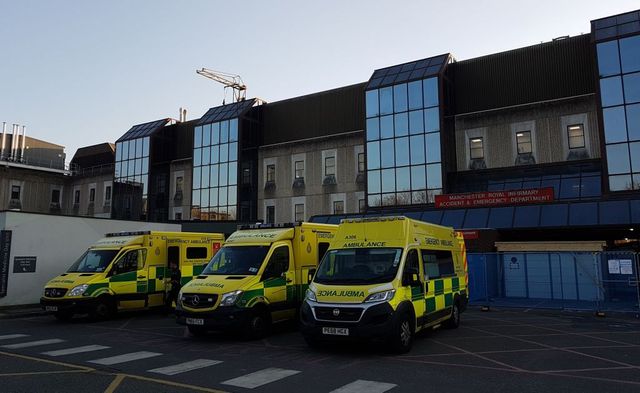
Manchester Royal Infirmary
Italy saw 919 fatalities, taking the overall number to 9,134. The number of recorded infections climbed past China to 86,498. There are fears that the poorer southern regions of the country will soon be put under the same pressures suffered by the richer north.
Spain also suffered its worst 24-hour death toll of 769 deaths, bringing its total to 4,934. The number of cases increased from 56,188 to 64,059.
France saw 299 deaths, with the total now at 1,995. There are currently 32,964 cases of infection and 3,787 people are on life support, meaning nearly half of France’s ventilator beds are occupied. The government has extended a national lockdown by two weeks.
The UK recorded an additional 185 deaths, bringing the toll to 759. Recorded cases of infection increased to 14,543, but this number is kept artificially low by a lack of testing. The spread of the disease is indicated by the fact that Prime Minister Boris Johnson, Health Secretary Matt Hancock and the Chief Medical Officer Chris Whitty all tested positive yesterday. Prince Charles is already infected.
The COVID-19 pandemic is preying on Europe’s 500 million-plus population whose health care services have been decimated by years of government austerity and private sector looting. Johnson tested positive for COVID-19 immediately after taking part—outside the front door of 10 Downing Street—in a national demonstration of support for beleaguered doctors, nurses and support staff in the National Health Service (NHS). Millions left their homes at 8:00 p.m. to cheer and bang pots and pans, after reports of hospitals full to overflowing and exhausted staff working without personal protective equipment and falling ill as a result—scenes already all too familiar in Italy, Spain and elsewhere in Europe.
That Johnson joined in was an act of monumental cynicism—not only because his inaction for weeks has allowed the spread of the coronavirus, but because the NHS has been slashed to the bone by his Conservative Party in government over the past decade, leaving it unable to meet the challenge it now faces.
Health care spending per head grew at a rate of just 0.6 percent per year in the period 2009-10 to 2016-17, compared to 5.4 percent between 1996-97 and 2009-10. In 2015, the NHS was told to find £22 billion of “efficiency” savings by 2020. Forty-seven percent of NHS trusts were in deficit in 2018-19 as well as 67 percent of acute hospital trusts. The overall shortfall is estimated at £5 billion.
The UK has fewer doctors and nurses per head than any developed economy bar Poland. Britain’s 2.8 doctors and 7.9 nurses per thousand population compare to an OECD average of 3.6 doctors and 10.1 nurses per thousand. There are currently 44,000 vacancies for nursing jobs (12 percent of the necessary workforce) and 10,000 for doctors. Overall, the NHS has 100,000 vacancies, roughly one in every 12 jobs.
Manchester Royal Infirmary Accident and Emergency department
The number of hospital beds has dropped dramatically—17,230 were lost in just nine years between April-June 2010 and 2019, taking the total to 127,225. In 1987, there were 299,000 beds. Since then, the population has increased by over 9 million and grown older. The number of beds per thousand population has dropped from around four in 2000 to around 2.5 today.
Huge cuts to medical resources have resulted in chronically overcrowded hospitals—with occupancy of overnight general and acute beds regularly topping 95 percent over the winter. The NHS has a maintenance backlog, half of it considered safety-critical, totalling £6 billion.
In France, the health service has likewise been gutted by at least three decades of cuts and so-called “modernisation” efforts. Between 2000 and 2015, the number of hospital beds was reduced by around 15 percent. Approximately 64,000 inpatient beds were lost in the 13 years between 2003 and 2016.
After years of budget cuts, nearly half (48 percent) of French hospitals were running a deficit in 2016, and between 2002 and 2012, the indebtedness of public health care establishments tripled.
A 2018 health bill demanded €960 million of savings, with a further €910 million demanded last year. A new health bill, passed by the French Senate in July 2019, aims to make a further €3.8 billion of “savings” by 2022.
French medical workers at over 200 facilities took strike action on multiple occasions last year in opposition to this devastating assault on the health service and against attacks on their pay and working conditions.
In Italy, the government reduced public health financing by €900 million in 2012, €1.8 billion in 2013 and another €2 billion in 2014. In 2016, 18 out of the 20 Italian regions exceeded their annual health budget within the first half of the year.
The health service in Italy has seen staff numbers drop 6.5 percent between 2009 and 2016, from 693,716 to 648,663, and hospital bed numbers fall 11 percent, from 218,264 to 192,548. Wait times to see a specialist increased by between 20 and 27 days, depending on the complaint, between 2014 and 2017.
In Spain, health care funding per capita is around 15 percent less than the European Union (EU) average. In 2012, the Popular Party government of Mariano Rajoy adopted a new health care bill which would see €7 billion in cuts over two years. Dozens of public hospitals and other health care centres were privatised or closed and nearly 20,000 nursing positions wiped out.
Hospital bed numbers fell by around 4.26 percent between 2010 and 2016, dropping from 115,426 to 110,509. Spain ranks in 73rd place in the world for the number of hospital beds, with only three beds per 1,000 people. Even prior to the pandemic, waiting times for key operations continued to grow, with patients in some parts of Spain having to wait up to 177 days before hospitals could operate.
The consequences for the European working class have been brutal. The European Commission’s “Health at a Glance” report for 2018 notes: “While life expectancy increased by at least 2 to 3 years over the decade from 2001 to 2011 in all EU countries, the gains have slowed down markedly since 2011 in many countries particularly in Western Europe, increasing by less than half a year between 2011 and 2016.”
In words that sum up the terrible human cost of the slashing of public health services by governments of all political stripes, the report states, “More than 1.2 million people in EU countries died in 2015 from diseases and injuries that could have been avoided either through stronger public health policies or more effective and timely health care.”
Especially concerning in light of the coronavirus pandemic the report suggests: “This slowdown appears to have been driven by a slowdown in the rate of reduction of deaths from circulatory diseases and periodical increases in mortality rates among elderly people due partly to bad flu seasons in some years” (emphasis added).
This trend falls most heavily on the most oppressed sections of the working class. According to the same report, “On average across the EU, 30-year-old men with a low level of education can expect to live about 8 years less than those with a university degree.” For women, the gap is four years, “These gaps largely reflect differences in exposure to risk factors, but also indicate disparities in access to care.”
The COVID-19 pandemic is throwing the consequences of these years of health care cuts into sharp relief. Austerity was justified on the grounds that there was simply no money available to address pressing social needs. Now hundreds of billions have been made available by governments to corporations across the continent, proving that what has taken place is a class policy of social devastation in service to the profits of a tiny elite. The working class must respond with their own class programme of socialist internationalism.

Coronavirus cases in United States surpass 100,000

Bryan Dyne

The number of officially confirmed coronavirus cases in the United States is now greater than 102,000, while the number of deaths caused by COVID-19 has surpassed 1,600. This includes more than 16,500 new cases yesterday, the most anywhere in the world, along with nearly 300 new deaths. The country alone now accounts for more than one-sixth of all coronavirus cases internationally.
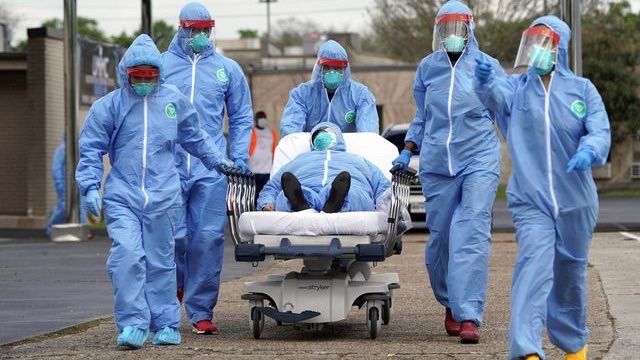
A person is taken on a stretcher into the United Memorial Medical Center in Houston, Texas after going through testing for COVID-19 on Thursday (AP Photo/David J. Phillip)
The number of cases continues to increase exponentially in the United States. It has taken only four days for the number of known cases and deaths to double, a rate currently faster than the worldwide spread of the virus. The number of cases internationally has reached nearly 600,000 and the death toll now exceeds 27,000, numbers which double every six days. Virtually every country has now reported at least one case of the disease.
Even these numbers are an underestimate of the true magnitude of the pandemic. A recent study done on the coronavirus outbreak onboard the Diamond Princess cruise ship points to the fact that between one in six and one in five cases of COVID-19 are infectious but do not present with any symptoms, meaning that a person can easily and unknowingly spread the disease.
These and other medical reports are why the World Health Organization has stressed the need to “test, test, test” for the coronavirus, as well as trace the contacts of those with a confirmed case. While aggressive measures have been taken in places like China, South Korea, Singapore and Japan, it took the Trump administration nearly two months from when the first coronavirus case was detected in the US to implement mass testing.
As a result, the caseload in the United States has spiraled out of control and the hospital systems in the most affected regions face imminent collapse. In New York City, which has more than 25,000 cases and is the national epicenter of the disease, hospitals are rapidly reaching their capacity to treat the most critical patients. Even there, the city government explicitly states that “Unless you are hospitalized and a diagnosis will impact your care, you will not be tested.” In other words, because the rate of hospitalization is still relatively low, if true testing and contact tracing was done in the city and across the country, it would likely increase the number of known cases of COVID-19 by a factor of ten.
There is also growing evidence that both the case numbers and death tolls are being manipulated. An article in Gizmodo has reported that a teenager who tested positive for the coronavirus that recently died is not being counted in the official death toll because the Centers for Disease Control and Prevention ruled his cause of death as septic shock. Sepsis is not a disease, but a potentially fatal overreaction by the body’s immune system to an infection, such as COVID-19. Further investigation is needed to determine how many similar cases exist in the US and internationally.
In an attempt to get some measure of control over the socially explosive situation in the country’s largest city, New York Governor Andrew Cuomo has asked the federal government for 30,000 ventilators, necessary equipment to keep the most critical patients alive as the infection spreads to their lungs. Cuomo’s request comes in the wake of the increasing evidence that COVID-19, in sharp contrast to the seasonal flu, can require weeks or months of ventilator support to properly recover.
In response, President Donald Trump callously remarked, “I don’t believe you need 40,000 or 30,000 ventilators.” He then questioned the severity of the pandemic, stating, “You know, you’re going to major hospitals sometimes, they’ll have two ventilators. And now, all of a sudden, they’re saying, can we order 30,000 ventilators?”
Trump’s criminal and malicious comments ignore the vast experience of the virus in China, as well as the ongoing struggles of doctors in Italy, Spain and Iran, which all currently have at least five times more deaths per capita than the United States and far more deaths total. In those three countries, the most critical resource for keeping critical patients alive is ventilators. The shortage of ventilators in Italy has become so dire that doctors are now being forced to tragically decide who receives their aid and who does not. Without any new equipment, New York will soon face the same situation.
Conditions in Detroit are also rapidly approaching a point of no return. The Henry Ford Health System has warned, as a result of a surge of COVID-19 cases in the metro area, that patients “extremely sick” may be “ineligible for ICU or ventilator care.” They are also being told to inform the hospital when they are admitted whether or not they have a do not resuscitate order, and that those “who have the best of getting better are our first priority.”
The accelerating spread of the coronavirus has also forced 25 US states, 74 counties, 14 cities and one Native American territory to issue some form of stay at home order, affecting at least 228 million people nationally. All nonessential businesses in these areas have been closed and people are only permitted to leave their homes to get groceries, visit doctors and other activities deemed “necessary” by those governments. All large gatherings are banned.
This process is also occurring at the international level. Every country on the planet has some form of travel restriction in place as a result of the pandemic, and much of the European population has also been ordered to stay home. At the same time, governments are also using the opportunity to further militarize their borders, such as the plan by the US to deploy 1,000 troops to the US-Canadian border and further increase the military presence at the US-Mexican border.
These measures have been sharply criticized by the World Health Organization as both not being enough to stop the virus and being detrimental to international collaboration to halt the virus. Director-General Dr. Tedros Adhanom Ghebreyesus warned Wednesday that while isolation can “suppress and stop transmission” the virus will likely “resurge” in the aftermath if nothing else is done.

27 Mar 2020

Why the Coronavirus Pandemic Poses Fundamental Challenges to All Societies

Prabir Purkayastha

The COVID-19 pandemic is now moving at a speed that the world had not anticipated a few weeks back. It reached its first 100,000 infected in 67 days, then doubled to 200,000 within the next 11 days, and now it has doubled again, reaching 400,000 by March 24. Europe, particularly the core European Union countries—Italy, Spain, France, and Germany—is the new epicenter of the COVID-19 epidemic. China, followed by South Korea, managed to contain their outbreaks; the European countries did not.
The USA is rapidly joining the ranks of the European countries. As its testing scope increases, a sharp increase in numbers is already visible. Only the Trump administration’s lack of testing—either intentional or due to incompetence—kept the real numbers lower.
Addressing a press conference on March 16, World Health Organization (WHO) Director-General Tedros Adhanom Ghebreyesus said, “We have a simple message to all countries—test, test, test… All countries should be able to test all suspected cases. They cannot fight this pandemic blindfolded.” For countries that are in the community spread phase, extensive testing, followed by isolating those infected and rigorous contact tracing, is the only way to slow down further infections.
The problem is to identify the tipping point when a country moves from containment phase to community spread. So testing of those coming from high-risk countries, the contacts of those already infected, have to be supplemented by random testing in urban areas that already show a certain number of infections, testing cases of pneumonia in the hospitals, as well those who show COVID-19 like symptoms. It is only by casting a wide net that we can identify when a country, or a region, is moving from the containment stage to a community stage. In the community stage, the testing has to be far more extensive.
For countries such as India, the numbers are still small and could be thought of as in the containment stage. Though here again, the real numbers could be much higher, as testing has been confined to only a small section of the population. According to India’s premier medical body Indian Council of Medical Research (ICMR) guidelines, the only people who can be tested right now are those who are coming in from high-risk, COVID-19 affected countries, or those in direct contact with somebody who has already tested positive. Originally, ICMR had a pitiful number of test kits—only 100,000—though it is trying to ramp up testing capacity rapidly, importing test kits and licensing Indian manufacturers. Right now, given its existing capacity and its huge population, India’s tests per million rate is one of the lowest in the world.
In the containment phase, WHO recommends identifying and isolating the infected as early as possible. People should also impose social distancing: reduce the number of person-to-person contacts, maintain a certain distance from each other, and take other precautions such as hand washing. In this phase, we test for those coming from high-risk regions or in contact with those who have been confirmed as infected.
If containment fails, we enter the community phase, in which we do not know who is infecting whom. Then we need lockdowns and social isolation, coupled with extensive testing. This is the stage where a number of European countries, Iran and the U.S., are at now. If the number of infections cannot be controlled in this phase, they will overwhelm the health infrastructure. The consequence will be a large number of deaths, particularly among the old and those who have underlying risk factors such as asthma, heart disease and diabetes. They will need intensive care doctors, nurses, equipment for oxygen support, ventilators and machines that can oxygenate blood outside the body, and protective gear for medical personnel, which a hospital may no longer be able to provide. This is the reason for the lockdown—to slow down the spread or flatten the curve, reduce the peak, and distribute the load on the hospital systems over a longer period of time instead of overloading them all at once.
That is why a number of countries including India have entered into a period of lockdowns. Recognizing they do not have the ability to test extensively, they have decided to try to snap the transmission links. This will significantly drop the number of new infections, and give the governments and the health systems some breathing time. If they have spent the time wisely, building the capacity to test extensively, they can screen the population, identify contacts, and separate them from the general population. This is what China did in Wuhan along with lockdown, and South Korea did with extensive testing and with less-stringent lockdown to control their epidemics.
Unfortunately, once the numbers are high, simple lockdown does not workNew research co-authored by Xihong Lin, professor of biostatistics at Harvard T.H. Chan School of Public Health, along with Chinese colleagues in Wuhan has reported that it was lockdown along with centralized quarantine—separating into two groups those who were infected and those who were in contact with the infected—from the general population that brought down the infection rate. Those who tested positive were put in temporary hospitals, and those suspected were housed in dorms, hotels and other facilities, and tested regularly. This is what finally controlled the epidemic, bringing the numbers down dramatically.
If the hospitals are overwhelmed by the number of patients, as they were in Wuhan and now in Italy, the mortality rates will be much higher. In Wuhan, the case fatality ratio—the number of deaths to infected cases—was initially estimated (based largely on Wuhan figures) by WHO to be nearly 3.4 percent; it is now thought to be much lower. A recent study in Nature Medicine says that the number of people who did not show symptoms but were infected means that the case fatality ratio was closer to 1.4 percent there. The number of fatalities was significantly higher among the old, and those with other medical complications.
In Italy, Lombardy and nearby regions are seeing even worse figures. Italy’s death rates are higher perhaps because Italy has a significantly older population with more than 23 percent of its people above the age of 65. The median age of India’s population is about 27, against Italy’s 47. This may lead to a lower death rate from COVID-19 in India and other countries with younger populations. But given India’s poor health care system and a huge proportion of its working population on daily wages, loss of employment and earnings can also take a devastating toll.
Why did the U.S. and Western media decide on China-bashing about a disease that could create a global pandemic? It appears that they saw COVID-19 as simply another day in office, a continuation of the cold war against China. Rather than invoking a sense of global solidarity, a virulent campaign of racist propaganda was unleashed: COVID-19 has been called a “Chinese disease”; the Chinese are said to eat bats and snakes; and everyone else can keep COVID-19 away simply by isolating China, according to this line of misinformation.
China not only bought the world time, but also showed us how the disease can be fought. By imposing early lockdown and travel bans, they kept the community spread of the disease virtually localized in Hubei province, something that Italy and other EU countries failed to do. China also taught us early isolation of suspected cases in fever clinics for testing, rigorous contact testing, separating those mildly infected into makeshift care centers like gymnasiums, warehouses and stadiums, and putting those seriously sick into hospitals where much more support could be provided. They mobilized more than 40,000 doctors and nurses from other regions of China to come to Hubei and Wuhan to shore the crisis of medical personnel there.
U.S. action has been in sharp contrast. At the time China sent medical personnel to Iraq, the U.S. decided to bomb the country! And tried to grab a German company developing a COVID-19 vaccine, so that it can try to create an American monopoly over the vaccine. China is sending health teams, medical supplies and equipment to many countries including Italy and Iran. It has even sent masks to the U.S. Meanwhile, the U.S. is continuing its sanctions on Iran and Venezuela even though that is making it much more difficult for them to ship in medicines, medical equipment, and protective gear.
It is difficult to predict the likely course of the COVID-19 pandemic. It is a completely new virus. In the midst of the worst pandemic we have seen in the last hundred years, we are scrambling to make up our answers on the fly along with dealing with the pandemic itself. But certain questions need to be addressed, and at least provisional answers provided.
Are there medicines that can provide a cure for COVID-19?
At the moment, we have a set of drugs that seem to be working on some patients. A combination of lopinavir and ritonavir, used to treat AIDS, may work against COVID-19 in the early stage of the infection. Interferon alpha 2B, a product of Cuba’s strong biotech institutions, has also been used in China and now in Italy for a similar purpose. The drugs that have done well in China and now in France are the anti-malarial drugs chloroquine phosphate and hydroxychloroquine, which also have anti-viral properties. Both are cheap and widely available in generic form, but require further testing. Remdesivir, an experimental drug that failed against Ebola, has shown some promise against COVID-19, pushing up the share price of Gilead Sciences, its patent holder, in a steeply falling share market.
WHO has launched a major trial named Solidarity to test what it perceives as promising candidates to fight the epidemic. They are chloroquine and hydroxychloroquine; remdesivir; a combination of lopinavir and ritonavir; and the last, adding interferon beta to the lopinavir-ritonavir combination.
Is there a vaccine that will soon be available?
A number of institutions and companies are developing vaccines, using an array of approaches and technologies. Chinese, European and American firms are all in the fray. According to WHO, two vaccines are already under clinical trials, and another 42 are under pre-clinical evaluation.
The Ebola vaccine took five years to develop and receive approval for its use. This time, we may be able to shrink the time—from development to having 1 million doses ready for use—in 12-18 months. This would be the fastest development of a vaccine ever.
After a candidate vaccine is developed, it needs a series of tests. The first step is performing cell culture and animal tests to see if antibodies develop with the vaccine. Next, human trials are conducted on a small group of people to test the vaccine for safety. Given the emergency, the two sets of trials are currently being run in parallel. If the results are positive, the trials will then be repeated with a larger group size to test for safety, estimating the degree of immunity, immunization schedule and dose size of the vaccine. Only after this stage, are widespread trials carried out involving a large number of human subjects.
There is a limit to how much we can speed this process. The major speeding up that has occurred is developing genetically engineered vaccines that can be developed much faster than using conventional vaccine development processes.
What was UK PM Boris Johnson’s “herd immunity” hypothesis to deal with the COVID-19 epidemic?
This is the “theory” (which Johnson has since come to his senses and renounced) that if 60 percent of the people are infected, they will develop immunity that will stop or slow down the epidemic. This means that at least 60 percent of the UK’s roughly 60 million population—or 36 million—would have to fall sick before the UK becomes “COVID-19 hardened” against an epidemic. Calculations show that with hospitals being overwhelmed as they have been in Italy, death rates would be anything between 1 percent to 5 percent, or 360,000 to 1.8 million. As various people have pointed out, the world did not eradicate smallpox, polio, whooping cough, etc., through disease-based herd immunity, but only after the development of vaccines. This is why the UK now has changed tack after a modeling exercise showed these possible numbers, giving up its pseudo-scientific herd immunity strategy.
Will seasonality—meaning warm weather—slow down the virus?
The jury is out on that one. Most viruses show seasonality, as does the flu virus. It is possible that high temperature and/or high humidity can slow down the rate of transmission, but we have to ride out one season to find out. There have been two different studies, both of which have come to diametrically opposite conclusions. One is based on modeling infections and temperature. As this map shows, most of the countries currently in the throes of the epidemic are along a narrow east-west corridor, roughly along the latitude 30-50 degrees north, with average temperatures of 5-11 degrees Celsius, along with low humidity. However, another paper using Chinese data says that there is no evidence that temperature has any effect on COVID-19 transmission. It is quite possible that we will see the outbreak spread to other countries outside the band mentioned above, and the temperature-humidity hypothesis will not hold. But even if it does, we are postponing the outbreak to a future date.
How did the Chinese break the back of the COVID-19 spread?
A lot has been written about the “authoritarian” Chinese lockdowns and quarantines. Now that other countries are moving in the same direction, it is worthwhile to know what China actually did and not what the media said it did. WHO’s assistant director-general, Dr. Bruce Aylward, provides the answer in his interview to New Scientist:
Question (NS): Does that mean China has taken the model approach? Were those lockdowns that seemed so extreme at the beginning the right way to go?
Dr. Bruce Aylward: Everyone always starts at the wrong end of the China response. The first thing they did was to try to prevent the spread as much as they could, and make sure people knew about the disease and how to get tested.
To actually stop the virus, they had to do rapid testing of any suspect case, immediate isolation of anyone who was a confirmed or suspected case, and then quarantine the close contacts for 14 days so that they could figure out if any of them were infected. Those were the measures that stopped transmission in China, not the big travel restrictions and lockdowns.
When I spoke to Italy the other day, they said: “We’ve got these lockdowns in place.” I said: “Great, you’ve done the hard part, now you have to do the really hard part, and that is making sure the cases are effectively isolated.”
The key to stopping the epidemic in Wuhan was not simply the lockdowns; it was also the combination of quickly testing suspected patients, and then taking the necessary steps of isolation and treatment of those found positive. This is, as Dr. Aylward says, the really hard part that all of us have to implement when—and not if—COVID-19 takes an epidemic form in our countries.
Countries like India have a weak public health infrastructure, and an economy in which a huge number of people will have no earnings if lockdowns are imposed. How they craft a policy that works for most people while keeping the epidemic at bay is the challenge. Can divisive governments—currently focused on attacking their critics, alienating the minorities, and bailing out big capital—switch to building solidarity, extending public health and uniting all sections of the people? Or will Modi, Bolsonaro, Erdogan and others follow Big Brother Trump, believing ultra-nationalism, coupled with hyper-capitalism, will solve all their problems?

The Only Oxygen Cylinder Factory in Europe is Shut down and Macron Refuses to Nationalize It

Jérôme Duval

Although no information is circulating about the stock of oxygen cylinders in France, which are very useful in these times of acute health crisis and which Italy cruelly lacks, the only factory capable of producing them in Europe remains closed. The employees of Luxfer’s oxygen cylinder factory in Gerzat (a town located in the northern suburbs of Clermont-Ferrand in France) are calling for the “total and definitive” nationalization of the factory and the immediate restart of production in order to deal with the current health crisis and to be able to alleviate the demands in France and other countries. After years of neoliberal decadence that mistreated the public hospital, resulting in the exhaustion of staff, reduced budgets, a decrease in the number of hospital beds, a decrease in the stock of masks and, ultimately, catastrophic management of the current crisis, will the French government persist in not intervening to regain control of this factory, which is essential for curing patients suffering from covid19?
On 26 November 2018, in front of 136 employees gathered in the factory canteen, a manager from the British group Luxfer Holding PLC, owned by funds such as Fidelity or BlackRock, coldly announced the defenitive closure of the site acquired in 2001. Production will stop in May 2019. The factory, although profitable and with an important order book, will close in June and all employees will be dismissed. With a turnover of 22 million euros and a profit of one million euros in 2018, 55% more than the previous year, this closure is still difficult for employees to understand. However, they will discover the strategy of the group, which has a quasi monopoly: according to the delegate of the French trade union CGT, Axel Peronczyk, it would be a matter of replacing the very high quality products manufactured at Gerzat with lower quality products manufactured outside France, with lower manufacturing costs and sales prices increased by 12%.
In early January 2020, the company management had the loading baskets destroyed, but when the excavators arrived a few days later to destroy everything, the employees were occupying the factory. The occupation prevented the management from destroying the machines and lasted until March 19, in the midst of the coronavirus crisis. In order to respect the confinement decreed by the government, the employees in struggle decide to leave the site and place it under the responsibility of the Prefecture.
Luxfer de Gerzat, which produced some 220,000 bottles a year, almost 950 bottles per working day, supplied not only Europe and Russia, but also East Asia, North Africa, South Africa, Australia, Japan… Half of this production was for medical oxygen, 40% for equipping firefighters with self-contained breathing apparatus and 10% for industry. These high-pressure gas cylinders are used in particular to relieve the symptoms of respiratory distress in patients with covid19. They are used at home, in hospitals when connections to large oxygen tanks are no longer available, in field hospitals established to relieve overcrowded hospitals, as is currently the case in Mulhouse (France), or during patient transfers.
The workers in struggle literally understand President Macron’s March 12 speech, who said, “What this pandemic reveals is that there are goods and services that must be placed outside the laws of the market,” to demand a total and definitive nationalization of the Gerzat plant with an immediate restart of activity to avoid shortages and save lives.
In response to the president of French employers’ organisation Medef, Geoffroy Roux de Bézieux, who said on 23 March that “there should be no taboos in this matter”, when it comes to nationalizing companies in times of crisis, Luxfer probably does not need a nationalization to then be privatized again once the crisis has passed, but rather to put a precious asset back in the hands of the public domain once and for all.