28 Mar 2020

Canada’s parliament approves coronavirus bailout for corporations and austerity for workers

Keith Jones

In response to the coronavirus pandemic and the unprecedented economic collapse it has precipitated, Canada’s Parliament, meeting in special session this week, unanimously adopted the COVID-19 Emergency Response Act.
The omnibus legislation creates two new laws—the Canada Emergency Response Benefit Act and the Public Health Events of National Concern Payments Act—and amends more than a dozen others.
The corporate media, the Liberal government, and all four opposition parties, including the social-democratic NDP, have sought to focus working people’s attention on a $107 billion package of measures that supposedly constitute the crux of the Canadian federal state’s response to the pandemic, and that are authorized by the COVID-19 Emergency Response Act.
These measures certainly warrant close scrutiny.
They include some $1 billion, or about $27 for each of Canada’s 37 million residents, to fight the pandemic.
This is a derisory sum. As of late Friday afternoon, COVID-19 had already killed 55 people, a total that exceeds 1 percent of the 4,757 confirmed coronavirus cases in Canada.
Moreover, doctors, nurses, and other medical professionals in hospitals across the country are warning of shortages of crucial supplies, from masks to ventilators, and that Canada’s health system, ravaged by decades of austerity, has no “surge capacity.” Earlier this week it came to light that the health authority in Saskatchewan, which, with a population of just 1.1 million is one of the country’s smaller provinces, has estimated that 9,000 to 15,000 people will die if the province’s health care system is overwhelmed by a surge in COVID-19 cases.
As for the federal government’s economic relief measures, much if not the lion’s share, whether in the form of emergency loans or tax deferrals, will go to big business, the rich, and super rich.
Working people, meanwhile, are being given rations. A minority of laid-off workers will be able to access Employment Insurance benefits, equal to 55 percent of their regular pay, up to a maximum of $573 per week. But a large majority of those who have lost their income due to the current crisis—including gig economy and other short-term contract workers, the self-employed, and those who are sick, quarantined or have to look after parents or children impacted by the pandemic and pandemic-forced closures—are to receive just $2,000 a month for a maximum of four months under the newly-created Canada Emergency Response Benefit (CERB).
The CERB application system will not even be set up until at least the second week of April. Underscoring the gravity of the crisis facing working people, the government says that it anticipates that four million people—or 20 percent of the total Canadian labour force—will apply for the CERB in its first two weeks.
To be sure, working people who have had the rug pulled out from under them by the sudden seizing up of the economy are preoccupied with how they are going to keep food on the table and a roof over their heads.
But the media and political establishment’s focus on the $107 billion relief package serves to obscure what has been the real focus of the Trudeau government and other key institutions of the Canadian state—providing unlimited financial support to the banks and big business, so as to safeguard the wealth of the capitalist ruling elite.
The sums that have been mobilized to prop up the banks and corporate Canada are truly gargantuan: $650 billion and counting. This includes: massive state purchases of business and mortgage debt from the banks, so as to clean up their balance sheets and shield them from losses; a vast array of schemes to provide emergency financial support to business; and the halving of the big banks’ capitalization requirement.
During the 2008-9 global financial crisis, the government’s Canada Mortgage Housing Corporation (CMHC) purchased $69 billion worth of mortgages from the banks. Within just two weeks of the current crisis, the CMHC has gone from pledging to take $50 billion worth of mortgages off the banks’ hands to tripling that pledge to $150 billion.
The Justin Trudeau-led Liberal government, the Bank of Canada, the CMHC, and other state agencies now funneling money to the banks justify their actions with the claim that they will encourage the banks to defer loan payments and extend credit to business and individuals.
The reality is the banks—with the government’s full knowledge and support—are already informing their clients they can defer payments, but that this will increase their debt-load and ultimately result in their owing them still more money.
In an incident that typifies the real relationship between the trade union-supported, ostensibly “progressive” Liberal government and the financial elite, Trudeau on Thursday made a show of appealing to the banks to offer relief on credit-card debt, which is subject to exorbitant 19-percent plus interest rates. But after the banks pushed back, a spokesperson for the prime minister clarified that the government wasn’t calling on the banks to reduce credit-card interest rates.
From the outset, the response of the federal Liberal government and the various provincial governments to the coronavirus pandemic has entirely been determined by their role in enforcing the subordination of all socio-economic life to the pursuit of capitalist profit.
The two-month “window” created by China’s efforts to halt the spread of the virus was squandered. Only on March 10 did Trudeau and Deputy Prime Minister Chrystia Freeland even write the provinces to enquire about their medical resources for fighting the pandemic and any potential shortages. Later that same week, as it was rapidly becoming apparent that North America was becoming the center of the global COVID-19 pandemic, Ottawa issued its first tenders for vital medical supplies.
Opposed to mobilizing society’s resources to fight the pandemic because that would require impinging on the wealth of the capitalist elite, the government refuses to pour tens of billions into strengthening the health-care system and insists that the procurement of urgently needed medical supplies must be channeled through the capitalist market. According to an article in yesterday’s Financial Post, the government is currently haggling with two thousand for-profit firms about obtaining ventilators, masks and other essentials to fight the pandemic.
One other aspect of this week’s events in parliament merits comment. Under the original version of the COVID-19 Emergency Response Act, the minority Liberal government sought to arrogate unprecedented emergency financial powers that would have effectively allowed it to rule without meeting parliament again until December 2021.
When the opposition parties balked at this, Trudeau was obliged to publicly affirm the government’s commitment to democracy and parliament. But there is no question that in Canada, as in the US, and all the imperialist “democracies,” the intertwined health emergency, market collapse, and economic crisis are fueling a turn toward authoritarian forms of rule. Above all, the ruling elite fears an explosion of social opposition over their manifest failure to prepare for the pandemic and their efforts to make working people bear the social and economic costs of the catastrophe
Even necessary measures such as quarantines, absent the independent intervention of the working class, can and will be used as pretexts for future attacks on democratic rights. Already, in the name of fighting the pandemic, the Ontario and Quebec governments have passed decrees enabling them to override health workers’ collective agreements at will, and deploy them essentially as a conscripted workforce.
Meanwhile, the Canadian Armed Forces, which had previously complained that its military preparedness was being dulled by its recent deployments in flood relief and other environmental emergencies, has said it is preparing for “a worst case” COVID-19 “scenario.”
The attempts of the Conservative Official Opposition, which led the opposition to what it called Trudeau’s “power grab,” to posture as a defender of democracy are farcical. At the height of the 2008 financial crisis, the Harper Conservative government shut down parliament in a constitutional coup to prevent it being voted out of office. Subsequently, it moved to criminalize all working-class opposition with a battery of anti-strike laws, and in 2015, with Liberal support, it vastly increased the powers of the security-intelligence agencies in what even the Globe and Mail, the traditional voice of the Bay Street financial elite, called a “police state” law.
The real thrust of the Conservatives’ objections was that they want to keep the Trudeau government on a tight financial leash, so as to ensure that the relief measures for working people, scant as they are, can be scaled back as soon as possible, and that the enormous debts resulting from the state bailout of big business will be paid for through massive social spending cuts, without even token tax increases for big business and the rich.
Under the final version of the COVID-19 Emergency Response Act, the government is authorized to spend and borrow sums without limit to counter the pandemic and its economic impact through September 30. But it cannot make tax changes, and all spending and borrowing must be subject to regular scrutiny by the House of Commons Finance committee.

Mexico’s government seeks to place burden of virus crisis on the backs of the working class

Don Knowland

By Wednesday March 25 reported cases of COVID-19 in Mexico had risen to 475, from an initial three reported on February 25. Six had died from the virus.
On Tuesday, Undersecretary of Health Hugo López-Gatell said that the Health Ministry expected a “long epidemic that could last into September or October,” with the highest number of cases expected in August.
López-Gatell had previously recommended on Saturday, March 21 that people stay home, while announcing an initiative he dubbed “Sana Distancia” or Healthy Distance, calling on people for the next month not to get too close to others, and to forego the customary hug, kiss or handshake when greeting each other. Earlier, on March 14, the Education Ministry had extended the two-week Easter school break to four weeks, from March 20 to April 20, to keep students at home.
Mexican President Andres Manuel López Obrador (AMLO), while also recently calling on people to stay home, recklessly repudiated López-Gatell’s advice Sunday, releasing a video message showing him in a crowd in Oaxaca state and encouraging Mexicans to maintain their “normal rhythms of life” and “don’t stop going out.” Yet it is precisely in the packed urban areas filled by masses of workers and poor such as Mexico City and its extensive metro area that the virus is most likely to propagate.
AMLO and his government were very slow to react to the coronavirus threat. As recently as March 16, López Obrador ignorantly belittled its threat to Mexican workers and their families. “Pandemics … won’t do anything,” he boasted. So little was done to attempt to contain it until this last week.
The Mexican government failed to take more timely and serious measures to contain the virus outbreak in substantial part because the economy was already struggling before the virus hit, and it did not want to risk a further slowdown.
The investment bank Credit Suisse and Bank of America have both been predicting that the Mexican economy will contract by 4 percent in 2020, following on a 1 percent drop last year. According to a report by the bank BBVA Mexico, the jobs of 18 million are at risk because of a virus induced recession, and 42,00 businesses in Mexico City alone could close according to the Canacop business chamber.
The Mexican stock market fell to a record low on March 10. With oil prices skidding, Mexico’s crude prices dropped this year to their lowest level since 2002, a huge blow to government revenue. The Mexican peso fell to a record low of over 25 to the dollar on Monday, only gaining some ground in the wake of the massive actions of the US federal Reserve and the US Congress to prop up markets and big business.
Tourism, which normally contributes upwards of 10 percent to Mexico’s GDP, has collapsed. For example, tourism fell 76 percent in one week on Mexico’s Caribbean coast.
In Mexico City, street vendors have reported crashing sales, at the same time that prices for essential food items soared. A kilogram of the Mexican staple, corn tortillas, recently increased more than 40 percent. A kilo of eggs rose almost 20 percent, from 38 pesos to 45.
This in a country where even the minimum wage of full-time employees in the official sector is a paltry $5 a day, 56 percent work in the informal sector and 54 million live below the official poverty line.
Given this downward maelstrom the Mexican ruling oligarchy will not make serious resources available to contain and treat COVID-19, or to compensate workers and the poor for their economic dislocation. The well-being of the working class is of no import.
On Tuesday the president asked business leaders not to lay off employees, exposing workers to the choice of not being able to feed their families or threatening their own and their families’ health.
AMLO said there would be no “bailouts” because “we have to take care of the budget.” He said the federal government would make loans bearing no interest or low interest to some small businesses, such as restaurants or workshops, but he provided no detail as to the budget for the program. No aid was offered to workers who lose their jobs.
Similarly Mexico City’s mayor Claudia Sheinbaum, of AMLO’s Morena party, has announced help to “vulnerable sectors” that amounts to little more than crumbs: zero interest loans for four months to small businesses of $400, a $20 grant per child to low income households until the epidemic wanes, and $40 to $60 to indigenous vendors to return to their home regions.
AMLO has also ludicrously claimed that the government has prepared enough medical infrastructure to weather the virus storm. In that respect, the government specifically claims that it will provide an additional $150 million in medical supplies and will hire 42,000 doctors, nurses and other medical professionals.
But even were that true, it would be much too little too late.
Mexico’s public health system was already notoriously underfunded. Yet after AMLO entered office in January of last year he slashed health spending by 30 percent, in line with his austerity drive. In response, the head of Mexico’s Social Security Institute stepped down and issued an unusual public resignation letter declaring that “excessive savings and controls in health spending are inhumane.”
The health care afforded the Mexican working class is through the network of public hospitals and clinics operated by the Mexican Institute of Social Security (IMSS)—except for those who work in the informal sector are not even covered, and must incur debt to get private care.
In the IMSS system, lengthy wait times for procedures are the norm. Often, doctors and nurses are forced to ask patients to buy them surgical masks, gowns and other basic supplies. This is the health care afforded to the working class.
The grim reality of this system has been laid bare by the pandemic.
Medical staff treating the virus have already protested the shortage of personnel protection and medical equipment, complaining that a lack of masks, gloves and other supplies is putting them at risk.
Medical workers held strikes and walkouts across the country this week, warning that a lack of resources increases the risk for them and their families as well as for patients.
“We can’t work without equipment,” implored a nurse in Tabasco state in a widely viewed video on Twitter.
One doctor who screens dozens of people a day for COVID-19 at a public hospital in the impoverished state of Mexico, which surrounds Mexico City, said she is allotted just two disposable masks for each 12-hour shift, when one should be used for each patient.
As to COVID-19 test availability in Mexico, authorities have given a range of figures, from about 9,000 to 35,000. Given the rate of increase of the infection, these numbers are grossly inadequate. The government has to date conducted fewer than 3,000 tests.
If this disaster is already brewing in the official medical system, one can only imagine the horrors that will arise when the virus spreads to the crowded, unhygienic conditions in migrant camps along the US border or on Mexico’s southern border with Guatemala, with AMLO serving as junior partner in Trump’s criminal immigration policies.
The response of the Mexican ruling elite to the epidemic inevitably is to shift its cost, both monetarily and in health terms, onto the working class.
Perhaps more ominously, last week AMLO announced that he had called on the armed forces to develop an “emergency plan to address the public health crisis.” This is yet another threat to the Mexican populace that is in reality designed to prepare to meet popular opposition to the criminal policies of the oligarchy.
When Mexico City was devastated by an earthquake in 1985, the populace independently organized itself to meet the critical needs of those afflicted, because the ruling class and its state would and could not do so.
Workers now must organize their own independent response to the coronavirus crisis, by forming committees of action in workplaces and neighborhoods to ensure that society’s resources are directed at combating the impact of the virus on the entire population on the basis of social need, rather than private profit, which dictates the polices of those now in control. Moreover, workers must organize jointly across borders to accomplish this. This is the program of the International Committee of the Fourth International.

Workers remain at risk during New Zealand’s COVID-19 lockdown

Tom Peters

New Zealand’s total confirmed and probable COVID-19 cases reached 451 today, an almost nine-fold increase in seven days. Twelve people are in hospital and two are in intensive care. No deaths have been reported, to this point. Most cases are linked to overseas travel, but there are also cases of community transmission and there could be many undetected cases.
Sistema workers strike over unsafe working conditions (Photo courtesy E Tu Facebook page)
Prime Minister Jacinda Ardern told the media she expected NZ’s cases to increase sharply for at least the next 10 days. A nationwide four-week lockdown began on Thursday, with schools and most businesses closed and “non-essential” workers instructed to remain home.
The lockdown, imposed after petitions from medical professionals, supported by tens of thousands of workers, is necessary to prevent a catastrophe. Auckland University modeling shows that without such measures the virus could infect 89 percent of the population, overwhelm the underfunded health system and kill as many as 80,000 people.
In the best-case scenario, the number of deaths could be lowered to about 20. Researchers have warned that achieving this goal requires a strict lockdown, contact tracing, quarantines and travel restrictions, most likely lasting much longer than four weeks.
Like its counterparts internationally, the Labour Party-led government’s priority is to defend the interests of big business. Multi-billion dollar subsidies, tax cuts and loans have been announced, including a $900 million loan to Air New Zealand even as it lays off thousands of workers—all with the support of the trade union bureaucracy. The Reserve Bank has promised to make up to $30 billion (equal to 10 percent of gross domestic product) available for financial markets through quantitative easing.
These enormous sums dwarf the $500 million injection into the severely underfunded healthcare system, and the miserly $25 a week increase to unemployment benefits and pensions.
The state of emergency declared on March 25 is being used to test authoritarian forms of rule. Police have been given broad powers, including the ability to enter homes to enforce self-isolation rules. The military has been placed on standby.
With the agreement of the opposition National Party, parliament was suspended on Thursday until April 28 and replaced with a smaller cross-party committee. All parties in parliament put their campaigns for the September election on hold and pledged support for the government. Some media commentators are suggesting that the election could be postponed, as happened during World Wars I and II.
These measures, accepted by the unions, pseudo-lefts and liberal pundits, go well beyond what is needed to enforce the lockdown. The state is preparing to confront working-class opposition to the worsening economic crisis, attacks on living standards, and the appalling state of the public health system that has been sharply exposed by the pandemic.
Gross domestic product is widely expected to fall up to 10 percent in the second quarter of 2020, with hundreds of thousands of job losses. Shamubeel Eaqub from Sense Partners compared the crisis with the 1930s Great Depression. He told Radio NZ that unemployment could rise from 4 percent to 15 or even 30 percent. During the 1930s, governments used emergency measures to suppress demonstrations by unemployed workers.
Already thousands of workers in the forestry, tourism, hospitality, retail and other industries have been laid off, due to the shutdown of markets and supply chains throughout the world.
Workers who have for now kept their jobs could face savage wage cuts. Employers receiving the “wage subsidy” of $585 a week per full-time worker, or $350 per part-time worker, are required to pass it on, but do not have to top up the payments to a liveable income.
Workers in industries deemed essential are being placed at risk. A 28-year-old New World supermarket worker with asthma told Radio NZ yesterday that he walked off his shift. Articulating the views of thousands, he said: “I just didn’t feel safe… I know there are a lot of workers around me in the same situation. There are workers with families, with kids, who have had surgeries or are immuno-compromised, and are still working.”
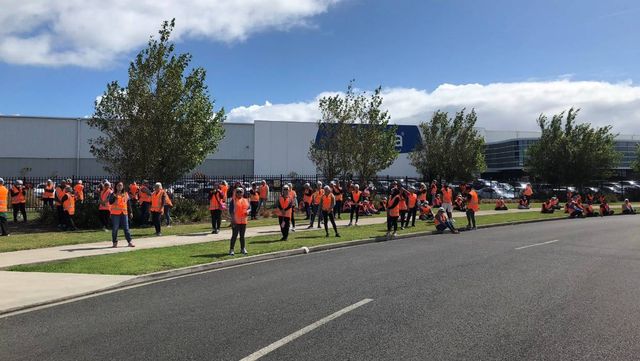
Workers for Sistema, a plastic container factory in Auckland, walked out on Wednesday to protest the lack of social distancing and other protective measures. Sistema management had initially claimed to be an essential service but, following the strike and a subsequent inspection by the regulator WorkSafe, the plant will close for four weeks with workers receiving full pay during the shutdown.
Numerous factories have been allowed to remain open, including Imperial Tobacco’s cigarette factory in Wellington. A spokesperson for the Asthma and Respiratory Foundation told the media the decision was “outrageous,” particularly “given the emerging evidence that COVID-19 infections may be more severe among smokers.”
The Otago Daily Times reported yesterday that workers at Alliance’s meat processing factory in Oamaru felt like “cannon fodder” due to inadequate precautions. An anonymous Change.org petition calling for all meat processing factories to be shut gained more than 2,600 signatures this week.
One comment on the petition stated: “I’m signing as my son has lung issues and I want to keep him safe.” Another said: “Lives are more important than profit.”
Another wrote that workers at their factory “are not supplied with masks, many carpool with others outside their isolation group & have been told that if they can’t go to work because they haven’t got alternative transport, that’s their problem.”
One worker explained: “There is absolutely no way we can keep a safe distance from one another, there are far too many variables out at the meatworks and a perfect breeding ground for this virus to spread quickly.”
The Meat Workers Union has asked that workers be allowed to stay home if they feel unsafe, but did not endorse the petition. The union is working with the Meat Industry Association and the government to ensure that factories remain open during the lockdown.
Many healthcare workers still lack basic personal protective equipment (PPE) despite the government claiming there are enough masks, gowns and goggles. District Health Boards (DHBs) have a thoroughly disorganised response to the pandemic.
One nurse wrote yesterday in the Facebook group “New Zealand, please hear our voice”: “My DHB has just informed me that we are not allowed to wear masks for direct patient contact, only if the patient is symptomatic.”
Caregivers who work with elderly and disabled people have also reported inadequate PPE. “This is a prime route of transmission of COVID-19,” one worker told Newsroom yesterday, “Thousands of support workers going through goodness knows how many tens of thousands of homes every day.”
Radio NZ reported yesterday that NZ Post courier drivers in Wellington said they did not have sufficient PPE and hand sanitiser, and up to 100 people must share a few, unsanitary toilets.

Australian governments reject calls for lockdown despite rising COVID-19 danger

Mike Head

A lengthy “national cabinet” meeting of federal, state and territory leaders yesterday took no new steps to address the coronavirus pandemic, except a compulsory quarantine of arriving overseas passengers, to be enforced, in an unprecedented fashion, by the army as well as the police.
The number of officially confirmed COVID-19 cases in Australia now exceeds 3,500, more than trebling in the past week. A total of 14 deaths are so far attributed to the virus.
People queuing for coronavirus tests at Royal Melbourne Hospital
New South Wales remains the worst-hit state, with 1,617 cases as of this morning, an increase of 212 in the previous 24 hours. Victoria has 684 cases, after recording an increase of 111 yesterday. Queensland has reported at least 70 new infections and a total of 625. The official figures elsewhere in the country, as of this afternoon, were South Australia 257, Western Australia 255, Tasmania 58, Australian Capital Territory 62 and the Northern Territory 15.
Prime Minister Scott Morrison nevertheless declared: “We’re getting on top of this and we can keep on top of this and we need to keep doing what we have been doing.”
The prime minister’s claim was reminiscent of US President Donald Trump’s tweet a month ago that the virus was “very much under control.” Now, the US has the greatest number of confirmed cases in the world—more than 100,000—and the deaths are spiralling above 1,500.
Like the Trump administration, Australia’s political leaders are determined to keep as many workers as possible on the job in order to shore up corporate profits. Those most exposed to infection, such as in factories, warehouses, large building sites and mining projects, are being required to work.
No new shutdowns were announced yesterday, and there was no expansion of testing. Restrictions still bar most people from being tested for the virus—even those with flu-like symptoms—making the official count unreliable.
Nor were wage subsidies announced to support the hundreds of thousands of workers who have been laid-off, including more than 40,000 retail workers who lost their livelihoods this week. There were no protections from eviction for tenants who can no longer pay their rents.
Above all, there was no explanation for the refusal of the governments to heed the impassioned calls by thousands of doctors, as well as numerous health experts, for an immediate strict lockdown to halt the disease’s potentially fatal spread.
Morrison emphasised the united opposition of all Liberal-National and Labor government leaders to any suggestion of a “lockdown.” Morrison denounced journalists for even using the word.
Asked why the government was not taking that precaution, Morrison replied: “I would actually caution the media against using the word ‘lockdown,’ because I think it does create unnecessary anxiety.”
Morrison and the federal government’s Chief Medical Officer Brendan Murphy dismissed a question about a study, published in the Medical Journal of Australia on Thursday, which estimated that the hospital system’s intensive care unit (ICU) capacity of 2,200 beds will likely be exceeded by about April 5.
Models vary, but most predict that the number of people in Australia who may become infected could fall between 12 million, with some control of spread, and 16 million if out of control. Even if the fatality rate is relatively low—0.9 percent—roughly 100,000 to 145,000 people will die before the epidemic is over.
There is mounting evidence that the Australian governments are keeping the public in the dark about the true extent of the looming catastrophe.
Under the headline, “Planning for the dark side of the pandemic,” the Australian Financial Review reported yesterday that teams of medical professionals have begun devising a mass palliative care plan, preparing for the horrific conditions of overwhelmed hospitals already seen in Italy, Spain and the US.
“Such a plan would be for people who become seriously ill with COVID-19 and are not able to secure an ICU bed,” health editor Jill Margo reported. “As there is no other treatment, they will need end-of-life care… Under a national plan, they could be taken to town halls, school halls, gymnasiums or other large covered spaces that have been transformed into decent places for people to go for a safe and dignified death.”
At yesterday’s press conference, Morrison and Murphy downplayed such dangers, saying plans were being made to triple the ICU capacity. But this could be insufficient and would also require thousands of additional trained ICU nurses.
Hospital nurses, doctors and other health workers are continuing to report acute shortages of personal protection equipment such as surgical masks and gowns.
A journalist asked Morrison: “Many have suggested that more comprehensive restrictions would result in a shorter disruption and fewer deaths. Now, we know you don’t agree with that, but are you willing to release the modelling that explains what the government thinks would happen under each scenario?”
Morrison provided no answer. Instead, he attacked “critics,” accusing them of being “cavalier” toward job losses. “I sometimes note that those who often are pushing for greater restrictions, they will keep their job,” he insinuated. “I am not going to be so cavalier about it.”
In reality, the workers thrown onto the Great Depression-style dole queues outside welfare offices this week are also victims of the refusal of the authorities to take the measures needed weeks ago to introduce mass testing, tracing and isolating of positive cases, as repeatedly urged by the World Health Organisation.
Anger and concern among teachers, parents and retail workers this week shattered the determined efforts of the national cabinet, backed by the trade unions, to force schools to remain open, and keep shopping malls and retail chains open.
Despite being backed by the unions, such as the Australian Education Union (AEU), all the states and territories have been forced to “transition” schools to mostly online teaching. Retail giants are shutting their doors, joined yesterday by Myer, which laid off 10,000 workers.
There are signs that outrage over unsafe conditions is spreading throughout the working class. About 80 workers at one Coles supermarket warehouse at Laverton, in Melbourne, walked out on Thursday night because they were being forced to work close together, in violation of 1.5-metre distancing protocols and without personal protection equipment. They returned to work after Coles agreed to their demands.
While refusing to take now urgently-needed restrictive measures, the federal and state governments are imposing unprecedented enforcement measures, such as severe fines and jail terms, and the domestic deployment of the military.
At the request of the state governments, Australian Defence Force troops will be on the front line of policing quarantine and self-isolation orders, including visiting people’s homes and residences.
During his media conference, Morrison again thanked the trade union apparatus, saying: “I thank the unions for their support and the constructive way they are approaching it.”
A report in today’s Australian revealed how far the Australian Council of Trade Unions (ACTU) is going to assist the governments and big business to keep workers on the job, despite unsafe conditions, as well as to slash working conditions, wages and penalty rates.
Morrison personally rang ACTU secretary Sally McManus to express his appreciation and “he especially wanted to thank the education unions.” He had met AEU leaders during the week to strike a deal to attempt to coerce teachers into staying in unsafe classrooms.
For two weeks, McManus and Industrial Relations Minister Christian Porter have spoken daily via video-conference to “communicate frankly and quickly about the fast-moving, multi-pronged crisis.” Porter told the Australian he was now “BFF” [best friend forever] with McManus.
The ACTU has agreed to what the Murdoch media newspaper called “groundbreaking agreements” to cut the conditions of hospitality, clerical and restaurant workers. These deals, quickly rubber-stamped by the federal government’s Fair Work Commission, include sweeping reductions in penalty rates and minimum-hours rules.
While described as temporary, these deals will establish precedents that will be imposed when businesses resume. This dovetails with Morrison and his state and territory counterparts pouring billions of dollars into the coffers of the corporate elite via repeated “rescue” or “hibernation” packages to boost profits.
For the ruling elite, “winning the war” against the pandemic means exploiting the crisis to intensify the exploitation of the working class. Walkouts like those at the Coles warehouse need to be the starting point for workers to break out of the employer-union straitjacket and form their own action committees to develop the fight for the necessary socialist reorganisation of society.

Big business in South Korea exploits pandemic to carry out massive assault on jobs

Ben McGrath

The government of President Moon Jae-in in South Korea is preparing to oversee massive job cuts as a result of the global financial impact of the COVID-19 pandemic, while making clear that it will provide unlimited funds to prop up big business. The pandemic has exposed in country after country that no capitalist government is willing to protect the working class and the economically vulnerable.
On March 23, the Korea Enterprises Federation (KEF) submitted a plan to the National Assembly demanding the government ease regulations on firing workers. The big business lobbying group cited the COVID-19 outbreak as a pretext. The KEF also called for lowering the corporate tax rate to 22 percent and abolishing the minimum corporate income tax system.
The KEF made clear that its demands went beyond a response to the pandemic and that it views layoffs and government handouts as a necessity for doing business. “Korea’s economic growth rate stood at only 2 percent last year and the real economy is in a state of emergency due to the outbreak of the new coronavirus infection this year,” the KEF stated. Moody’s cut its 2020 economic growth outlook for South Korea to 0.1 percent on Thursday.
Workers in various industries are already feeling the brunt of corporate attacks. Unemployment numbers have grown rapidly in February and March. This month, approximately 30,000 people filed for unemployment benefits through March 19, a 32.6 percent increase over the entire month in 2019. Jeju Province saw a 91 percent increase in new applicants as tourism to the large island has dropped sharply. Daegu, the epicenter of the COVID-19 outbreak in South Korea, saw a 46 percent increase in unemployment applicants in one week.
South Korea’s airline industry currently has more than 10,000 workers on unpaid leave, a quarter of the total industry, due to the fall in travel. While they are being furloughed for 10 days at a time, this is set to rise to 15 days in April. The retail giant Lotte intends to sack 10,000 to 20,000 workers from stores across the country as well. Lotte announced these plans in February, but is using the pandemic as the rationale for mass layoffs.
In a particularly irrational expression of the capitalist system, staffs at small, for-profit hospitals that are not receiving new patients also face layoffs. Rather than mobilizing these medical professionals to help contain the COVID-19 outbreak, physicians and nurses are being forced to take unpaid leave. While nurses are eligible to apply for a paltry 1.98 million won ($US1,635) per month government subsidy, doctors are not.
In many cases, government subsidies will not even be enough to cover monthly expenses. Approximately 640,000 households in Daegu will be offered between 500,000 ($US414) and 900,000 won ($US746) in prepaid cards and gift certificates, depending on family size. The payments will not begin until April 16, with some being extended for three months. Similarly, South Jeolla Province is offering approximately 320,000 households between 300,000 to 500,000 won.
While workers are being hung out to dry, the Bank of Korea (BOK) pledged Thursday to supply the ruling elite with an endless supply of cash. “The Bank of Korea decided to provide an unlimited amount of liquidity to financial firms to help minimize the economic fallout from the spread of COVID-19 and remove uncertainties in the financial market,” the BOK stated in a press release.
BOK Deputy Governor Yun Myeon-sik added that the money would be supplied no questions asked: “It is hard to estimate how much liquidity will actually be supplied. But the plan is to supply the entire amount requested and without a limit.” Such measures are the first of their kind and exceed even those taken during the 1997–1998 and 2008 financial crises.
The Korean Confederation of Trade Unions (KCTU) is colluding with the government to mislead workers into believing that the Moon Jae-in administration will take measures to protect their livelihoods.
On March 25, representatives from the KCTU met with officials from the Ministry of Labor for a second round of talks, ostensibly for the purpose of discussing workplace protections. The ministry stated that it intends to operate a website from April 6 to allow workers to anonymously report workplace violations, such as being forced to take unpaid leave. Such a system will be used to sweep reports under the rug while attempting to convince workers to remain quiet.
The KCTU put its stamp of approval on the ministry’s plans by calling for “special labor supervision” at worksites that have forced workers to take unpaid leave. The KCTU’s policy director Lee Ju-ho, who took part in the meeting, stated: “In order for the government’s COVID-19 measures to operate well at work sites without any blind spots, we plan to discuss and examine them through these talks [with the Labor Ministry].” He added: “We will quickly promote areas where improvements in the law or system are needed by discussing them with the relevant authorities.”
In other words, the KCTU, which often postures as militant and anti-capitalist, is providing the Moon administration with cover as it presides over mass layoffs and unprecedented corporate bailouts.
These attacks are not simply the result of the government’s response to the pandemic. The assault on workers in the automotive and shipbuilding industries, public sector workers, and others has continued unabated since Moon took office May 2017.
During this time, the KCTU has sown illusions in the government, while defending big business. This past Wednesday, the KCTU-affiliated Korean Metal Workers Union agreed to a contract with GM Korea to deny workers any wage increases, while leaving the door open for company reprisals against workers who took part in strikes last year.
Korean workers must reject all of these attacks and join with their class brothers and sisters internationally to defend their rights to decent and safe jobs and to demand that the response to the COVID-19 pandemic is controlled democratically by the working class.

Sri Lankan doctors speak out over coronavirus dangers facing health workers

Sakuna Jayawardena

More than 100 COVID-19 cases have been reported in Sri Lanka and 255 people are under supervision in 18 hospitals.
Health workers are making a huge effort to treat patients as the number of cases rises daily. The protective gear they need, however, is severely lacking.
As the World Health Organisation (WHO) said on March 3, health workers face “real danger” due to the lack of protective equipment. The WHO statement warned that “without protecting health workers” COVID-19 “cannot be stopped.”
President Gotabhaya Rajapakse’s government, however, has ignored these warnings.
A doctor working at a public hospital told the WSWS: “Personal protective equipment (PPE) like eye masks, face masks and coats required for staff members at out-patient departments, intensive care units (ICUs) and wards for treating diabetes, asthma and fever were severely inadequate even before the pandemic crisis began.”
He added that the shortage has since taken a serious turn. Some hospitals have been forced to produce PPE using substandard materials. “Staff and patients have been put in severe danger by this situation,” he said.
The doctor explained that this state of affairs was not just created by the COVID-19 pandemic. It had developed systematically due to successive governments slashing the health sector. “Now, it has become a crisis.”
“Even the director of the Angoda Infectious Disease Hospital examined patients using a polythene coat made up by doctors themselves, until recently.” If a doctor was infected due to a lack of proper security, “he or she will have to quarantine for 14 days.”
The doctor added: “If large numbers of doctors are forced to quarantine, the situation will become dangerous and other health workers will have an unbearable amount of work.”
Some health workers in the Colombo and Ragama hospitals have been quarantined for infection already.
“Standard PPE equipment must be made available to all the workers, from doctors to minor staff,” the doctor said.
Another public sector doctor told the WSWS: “The time from the 2nd patient to the 50th patient in Sri Lanka was seven days. In Italy it was 24 days. During the first week, 47 patients were reported in Sri Lanka. In Italy, it was three.”
He said the number of patients in the 3rd week in Italy passed 1,000 and all this data pointed to the dire risk of the virus spreading in Sri Lanka. To prevent that, “a proper and sufficient quarantine program is essential and mass testing must be carried out.”
This doctor said the 500 ICU beds in Sri Lankan hospitals were sufficient to treat only 3,000 patients a month. “Even during normal periods, finding an ICU bed for a patient is difficult.”
The available number of ICU beds in Sri Lanka per 100,000 people is just above 2. In Italy, there are 12.5 ICU beds per 100,000 but that has proved inadequate. If the pandemic worsens in Sri Lanka, a higher proportion of patients could die than in Italy because they won’t have access to intensive care treatment.
“Considering this situation as an emergency, the number of ICU beds in Sri Lanka should be increased at least five-fold,” the doctor warned.
Explaining the lack of facilities for testing, he said: “A person can be directed to testing only if that person suffers from the symptoms coming within government-provided guidelines.”
The WHO recommendation is to upgrade the facilities so all those suspected of being infected are tested. Following that step, Japan and South Korea was able to reduce the curve of increase of infected patients.
The lack of essential protective gear is a major issue facing nurses and other workers, according to Menaka Priyanthi, the head nursing officer at Ragama Teaching Hospital. She said: “We face such a situation where sewing machines at home have to be brought here and used to sew protective dresses.”
There is deep and growing opposition to the government’s indifference to lack of protective equipment and the severe risk now facing health workers. Seeking to deflect health workers’ anger, the trade unions have issued a series of perfunctory, half-hearted statements about the lack of PPE.
Government Nursing Officers Association president Saman Ratnapriya told a press conference on March 20 that health workers had not yet received a “guideline” outlining steps to control the disease. Two days earlier Government Medical Officers Association secretary Haritha Aluthge complained to reporters that doctors and other health employees at district hospitals were working without masks.
These unions have systematically collaborated with successive Sri Lankan governments to implement health service cuts in line with International Monetary Fund austerity dictates.
The lack of PPE is a real danger facing health workers internationally. In China and Italy, even senior medical officers have died due to COVID-19. Out of the 627 people who died in Italy on March 22, 17 were doctors. And 3,654 Italian health workers have been infected.
These disastrous statistics reveal the utter negligence and unpreparedness of capitalist governments all over the world as public health services have been slashed to transform healthcare into a profit-making enterprise.

Congressional commission recommends expanding US draft registration to women

Genevieve Leigh

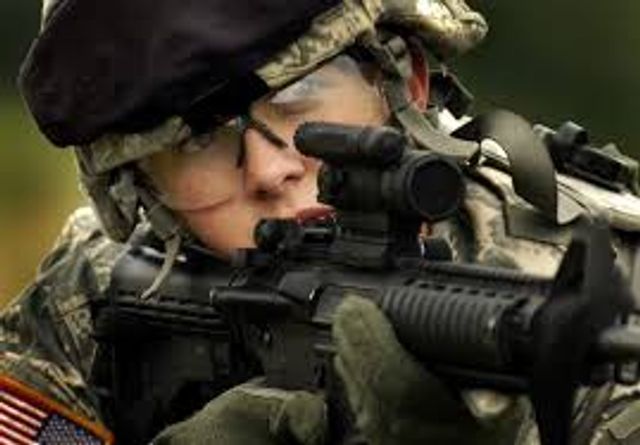
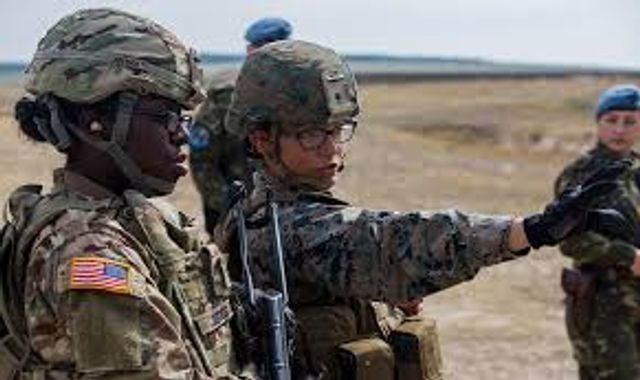
A national congressionally mandated commission charged with evaluating the Selective Service System announced this week that it will recommend to Congress that women be required to register for future military drafts.
The 11-member bipartisan National Commission on Military, National, and Public Service has spent the last two years holding information sessions on the issue in 42 cities and 22 states. The commission issued its findings in a 49-point report titled “Inspired to Serve.”
U.S. Army (photo by Staff Sgt. Russell Klika/Released)
The purpose of the commission was to “consider methods to increase participation in military, national, and public service in order to address national security and other public service needs of the Nation,” according to the executive summary of the report.
The proposition that women register for possible obligatory military service was prompted after then-Defense Secretary Ashton Carter opened all positions in the armed forces to women, including combat duty. The decision was understood at the time to also potentially expose women to the requirement of registering for the draft, because a 1981 Supreme Court ruling only exempted women from registering because they did not participate in frontline combat duty.
After failing to get the provision passed in the National Defense Authorization Act for Fiscal Year 2017, the late Republican Senator John McCain and Democratic Senator Jack Reed (Rhode Island) formed the commission to “study” the issue and make recommendations to Congress.
It is clear from the extent of the commission’s findings that its real purpose extended far beyond the question of mandating women to register for the draft.
The majority of its 49 recommendations are focused on marketing and recruiting into the military, especially among youth. Proposals include “cross-service marketing, recruitment, and retention,” a vast range of “military outreach” programs around the country, and an immense increase in targeting youth to get them to “explore service.”
A second important element of the commission’s findings is the emphasis put on the need to “convey to registrants their potential obligation for military service,” to “improve the readiness of the National Mobilization System,” and even to “build National Mobilization Exercises.”
The report states bluntly that “In the case of a national emergency, a successful mobilization of the Nation may ultimately rely on the moral mobilization of the American people: their support for the cause, which is based on the context of the national emergency, their trust in Government, and their perception of an equally shared obligation.”
Therefore, the commission also recommends in point 36 that “Congress amend the [Military Selective Service Act] to require the Selective Service System to develop and implement methods to convey to registrants the solemn obligation for military service in the event of a draft and to appropriate funds to accomplish this.” The report explains that “every registrant should understand the purpose and potential implication of their registration with the Selective Service System.”
In other words, the United States government is preparing for a major military conflict in which tens of thousands if not millions of workers and youth will be required to fight on behalf of Wall Street. Furthermore, they are aware of the overwhelming hostility that exists in the population toward war and militarism.
It is clear that the “National Commission on Military, National, and Public Service” was, therefore, tasked with finding ways to “prepare” the public for coming wars through a massive marketing campaign in schools across the country, and to prepare the government for a forced reinstitution of the draft under conditions of immense opposition from workers and youth.
The focus on the question of requiring women to register for the draft is part and parcel with the broader plans to prepare for another major war. The inclusion of women into the Selective Service would vastly expand the pool of potential military conscripts, who would be much needed in the event that any one of the dozens of military flashpoints around the world were to metastasize into a major military conflict, or a third world war.
U.S. Marine Corps (photo by Sgt. Michelle Reif)
The commission raises this point directly in the report, explaining that the US population growth rate is at its lowest point in more than 80 years and that seven out of ten Americans of draft age, both male and female, are unfit for military service. “Roughly doubling the pool from which the Nation might obtain conscripts,” the commission writes, “would improve military readiness by raising the quality of those who might serve, as some women would be more qualified to serve than some men.”
The expansion of US military cannon fodder in the form of conscripted soldiers has been a long-sought-after goal of the US political establishment. In a 2017 report to Congress, the Department of Defense said explicitly: “Were Congress and the President to authorize the registration of women, the current cohort of about 11 million women in the primary age range of 18-25 would need to be registered in short order. ... Annually thereafter, the inclusion of females would almost double the number of registrants.”
Senator Reed, one of the commission’s architects, made it clear in a press conference Wednesday that Congress would work hard to act on the commission’s recommendations quickly: “This is not a report that should sit on the shelf—this is a call to action.” He went on: “It focuses on ensuring that our military and public sectors can attract and retain the talent necessary to defend and support the nation.”
The mechanism by which this provision will be sold to the American people is by invocation of women’s “equality” as the underlying motivation for the change. The report states: “That women register, and perhaps be called up in the event of a draft, is a necessary prerequisite for their achieving equality as citizens, as it has been for other groups historically discriminated against in American history.” Kori Schake, director of foreign and defense policy studies at the American Enterprise Institute, is quoted in the report to make the case, ostensibly on behalf of all women: “It’s insulting to suggest America’s mothers and wives and daughters couldn’t contribute, whether the need were rebuilding levees after a natural disaster or repelling an invasion from our shores. ... America’s daughters should be slotted into service as their physical and emotional suitability proves capable of, just like America’s sons.”
Debra Wada, the panel’s vice chair for military service, justified the call to broaden the draft in a conference call with reporters, declaring, “By leveraging the skills, abilities and talents of all Americans, regardless of gender, qualified men and women alike will be able to fill any and all personnel needs.”
“Women bring a whole host of different perspectives, different experiences,” said Wada, a former assistant secretary for the Army, noting that being drafted does not necessarily mean serving in combat. In a time of national crisis, the government could draft people to a variety of positions, from clerical work to cybersecurity.
“If the threat is to our very existence,” she said, “wouldn’t you want women as part of that group?”
The reinstatement of the draft has long been promoted by figures within the Democratic Party. Its leading female representatives, such as Hillary Clinton, have positioned themselves as the spokespeople for these reactionary measures on the pretense of promoting women’s equality.
Such measures so sharply expose the class divide among women. Upper-class women, who would never have to fight in a war, and whose money would certainly find a way to exempt their sons and daughters, put forward most earnestly the demand for “women’s rights” in the service of US imperialism and for the benefit of Wall Street. Simultaneously, they fight tooth and nail for the most reactionary economic and social policies, which leave millions of workers, men and women, to survive on the brink of starvation.
The promotion of such reactionary policies owes a debt of gratitude to the #MeToo movement, spearheaded by most right-wing layers of petty-bourgeois women who have sought to use the concept of “equality of women” to dull the democratic sentiments of the population in the most recent period. For this layer, women’s forced conscription into military service is surely hailed as a great triumph for “all women.”

European Union summit on coronavirus ends in acrimony

Peter Schwarz

The 27 European Union heads of government met via video conference on Thursday evening to discuss the coronavirus crisis.
With 276,000 infections and 17,300 deaths as of Thursday evening, the EU, with its 450 million inhabitants, is the epicentre of the pandemic, ahead of the United States, the country with the largest number of infections. And the numbers continue to rise dramatically. The pandemic, which respects no borders, urgently requires a Europe-wide and international response. But Thursday’s summit demonstrated the EU’s inability to provide such an answer. It concluded amid divisions and acrimony.
The conflict was triggered by the question of how the governments should finance the huge bailouts with which they sought to respond to the crisis. These measures were aimed primarily at strengthening the banks and major corporations. Of the €756 billion bailout package adopted by the German government, €600 billion will go to large corporations, €50 billion to small business and the self-employed, and smaller amounts to social services and health care, which are essential to combat the pandemic and its consequences. A similar process is taking place in other countries.
Nonetheless, the vast expenditures and economic shutdown have driven some states to the verge of bankruptcy, especially those which were bled dry by the global financial crisis in 2008 and the austerity measures subsequently imposed on them by the EU.
For example, Greece’s state debt rose from 125 percent of GDP in 2008 to 181 percent today. This was a direct product of the so-called bailout programmes of the “troika” of the EU, European Central Bank and International Monetary Fund. This included loans to the Greek government, which took on additional debt in order to repay the banks with extortionate interest rates. The price was paid by the working class in the form of a decimation of pensions and social spending.
The same occurred for Portugal, Spain, Italy and other southern European countries. Italy’s state debt, for example, rose from 106 percent at the time of the financial crisis to 135 percent of GDP today, even though social spending has been drastically cut.
One result of these austerity measures is the low number of hospital beds, which is partly responsible for the high numbers of deaths from COVID-19. Italy has 3.2 hospital beds per 1,000 inhabitants, while Greece has 4.2 beds per 1,000 inhabitants. By contrast, Germany has eight and France six. The difference is even greater when it comes to intensive care beds, which determine whether acute patients live or die. Germany leads the way with 29 intensive care beds for every 100,000 inhabitants, while France has 11.6, Italy 12.5, and Greece six.
Nine countries, including France, Italy and Spain, proposed financing the additional spending on the coronavirus crisis with bonds issued by all EU member states. This would have the advantage that every country would have to pay the same, relatively low, interest rate. German state debt has a negative interest rate of -0.5 percent, meaning the German state makes money when it takes on new debt. By contrast, Italy has to pay 1.3 percent, and this figure can quickly shoot upwards if currency speculators smell blood.
But the proposal was firmly rejected by the Germans and Dutch. The video conference dragged on for six hours, and sharp divisions reportedly emerged. French President Emmanuel Macron warned that the survival of the European idea was at stake. Italian Prime Minister Conte threatened to leave the summit, and published his own statement calling on the EU to develop innovative financial measures within the next 10 days.
The Italian newspaper Fatto Quotidiano subsequently declared in the title of its article that Conte had told “a dead Europe to piss off.” The Italian daily Corriere de l la Sera warned of the end of the European project, while the financial newspaper Il Sole-24 quoted a diplomat as saying, “When you count the dead, you’re not counting the billions.”
An agreement was eventually reached to postpone a decision for two weeks. During this period, the EU finance ministers will be tasked with drafting a proposal. As the coronavirus crisis intensifies, with even government officials warning that a tsunami is about to hit, the EU is taking a two-week break.
The German government merely wants to offer the financially struggling countries loans from the European Stability Mechanism (ESM), which was established in 2012 as a response to the European debt crisis and currently has capacity for €410 billion worth of lending. These loans come with innumerable strings attached. Governments that take them on must agree to sweeping cuts to public services and social spending. In other words, they would set into motion another round of austerity measures that would have a devastating impact on working people.
The dispute over so-called coronabonds is just the latest example of how Europe’s ruling class have responded to the coronavirus with a wave of nationalism.
“When the virus arrives, everyone is left to their own devices,” commented Der Spiegel already three weeks ago. With the looming crisis in Italy coming into view, Germany and France responded, at a time when Italy had 4,000 infections, and now over 9,000 deaths, by imposing a ban on the export of protective clothing and masks. The Italian government’s appeal for help to the EU to supply protective clothing and other medical aid was ignored.
This set a pattern for subsequent developments. Although the European leaders initially issued ceremonial pledges not to unilaterally close their borders, they rapidly took precisely this step. The result was queues of trucks of up to 60 kilometres, which led to the partial disruption of supply chains for important foodstuffs.
The struggle against the coronavirus crisis, the deepest crisis since the end of the Second World War, requires an international response that unconditionally prioritises human life and social need over capitalist private profit. The latest EU summit confirmed that the EU is utterly incapable of doing this.
The EU and its institutions do not embody European unity. Rather, they represent European big business and the banks, which plunder the working class and defend their profit interests. Under conditions of deep crisis, this inevitably leads to nationalist divisions and the flareup of chauvinism. That was the case during the financial crisis and it is reemerging once again in a more advanced form.
The struggle against the coronavirus pandemic is inseparable from the fight against capitalism and the European Union. It demands the confiscation and nationalisation of the incredible wealth acquired over the last decade by a tiny layer of multi-millionaires and billionaires. The European working class must unite in the struggle for the United Socialist States of Europe.