5 May 2020

Canadian workers at Cargill meatpacking plant forced back to work despite 935 infections

Carl Bronski

Hundreds of workers at the giant Cargill meatpacking plant in High River, Alberta fearfully returned to their jobs Monday morning after attempts to keep the company from re-opening in the wake of a massive coronavirus outbreak were rejected by provincial officials.
In the largest single localized outbreak in North America, 935 of the plant’s 2,000 workers have already been infected by the highly contagious and potentially lethal COVID-19 virus. Six hundred close contacts of the meatpackers have also tested positive. To date, one worker, Vietnamese immigrant Hiep Bui, has died from the illness, as well as one close contact. Seven workers have been hospitalized with 5 in intensive care.
Nonetheless, over the weekend, Cargill issued a statement instructing all “healthy and eligible” workers to report for work in the two-shift operation.
In a survey of its membership, the United Food and Commercial Workers (UFCW) reported that 85 percent were afraid to return to the plant. About eighty percent of Cargill production employees are low-wage immigrant workers from the Philippines, Vietnam and China, many of whom are on Temporary Foreign Worker visas. The workers not only fear possible infection, they also worry that refusing company directives could endanger their work status in the country.
Despite these fears, the UFCW has refused to organize any job action to stop Cargill’s return to work order. Local union president Thomas Hesse has been outspoken on the company’s refusal to incorporate the union’s safety proposals into its back-to-work protocols. "It's ridiculous that hundreds of workers can be required to pour into the plant to kill 4,000 to 5,000 cattle a day, while if you climb on the monkey bars in your local park you're going to get a ticket," he said.
Although Cargill has installed plexiglass separations for line workers, the packers work elbow to elbow and face to face with their colleagues. Noise on the shop floor requires close communication with supervisors and fellow workers. Face masks quickly become useless in the wet, humid environment. With so many meatpackers off work, close-quarter training in the midst of the fast-paced environment has fostered unsafe practices.
But with the union’s attempts to convince provincial officials to keep the plant closed until further safety measures are put in place falling on deaf ears, Hesse was keen to tell reporters that no work stoppages would be organized. “We are looking at legal options. We are not asking for a work stoppage. A work stoppage would not be legal,” he said.
Left to fend for themselves, at least some workers, judging from traffic into the plant Monday morning, chose absenteeism in response to the threat of infection.
The UFCW’s reliance on the labour and health and safety boards of Alberta–overseen by the pro-big business, hard-right United Conservative Party government of Jason Kenney–is a flagrant abdication of its responsibility to protect the well-being of the vulnerable Cargill workers. The union bureaucrats are more concerned with reassuring employers and the government that they are responsible partners, who will enforce capitalist laws and contracts, than in fighting for the very lives of the workers they purport to represent.
The Alberta authorities’ role in forcing the Cargill workers back on the job, to follow the dictates of the same managers who ignored their earlier complaints about the lack of anti-COVID-19 safety measures, is scandalous. But it is far from exceptional.
A recent report from Ontario showed that of 200 COVID-19 related work-refusals protesting unsafe conditions, not one resulted in a stop work-order being issued by provincial inspectors. When work was stopped at Fiat-Chrysler’s Windsor Assembly plant in early March, it was the result of spontaneous work-refusal “walk-offs” by rank-and-file autoworkers.
The events that have transpired at the Cargill facility are a case study in the drive by corporations across the globe, backed by governments of all political stripes, to place profit over human lives.
The High River plant packs 40 percent of all Canadian beef products each day. Cargill is the largest privately owned company in the United States with $115 billion in annual revenues as reported in 2018 filings. The Cargill family is listed as the fourth wealthiest family in the United States.
After the COVID-19 pandemic was declared in March, no preventative inspection of the Cargill plant was undertaken by health or labour authorities even after workers began to fall sick. When an inspection was finally done on April 15, the assigned official did not even enter the main part of the shop floor, scandalously preferring instead to stay outside the facility and inspect it via a FaceTime app. The facility was given a clean bill of health.
However, with more workers falling ill and Hiep Bui succumbing to COVID-19 on April 19, three days after she had last worked at the plant, the facility was idled for two weeks on April 20.
COVID-19 has quickly re-emerged in several US meatpacking plants that have had re-openings similar to that now occurring at Cargill’s High River plant, because the work process is designed to squeeze the last ounce of productivity out of workers at the expense of their health, their safety and now, their very existence.

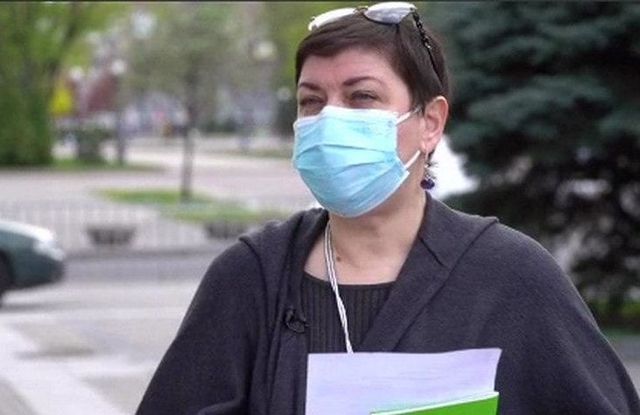
Over 2,000 doctors infected with COVID-19 in Ukraine amid growing protest by medical workers

Jason Melanovski

Ukraine’s Ministry of Health has reported that 2,154 doctors have tested positive for COVID-19, accounting for almost 17.5 percent of the country’s 12,331 confirmed cases. So far, at least 16 medical workers have died from complications caused by the disease.
The high number of infected medical workers is a direct result of the failure of the Ukrainian government to adequately supply and fund its health care workers.
While Ukraine still has fewer COVID-19 cases and deaths compared to other European countries, it is facing the crisis as the government of President Volodmyr Zelensky continues to carry out the right-wing medical “reforms” of the previous health minister, Ulyana Suprun.
Suprun, a US citizen and American doctor of Ukrainian background, first appeared in Ukraine to take part in the 2014 United States-backed “Maidan” protests against elected President Viktor Yanukovych. She later served under President Petro Poroshenko, who was installed after the coup. Suprun championed cutting of direct funding to hospitals, the creation of “competition” among doctors for patients and the closing of hospitals deemed to not have enough patients. Her reforms also entailed banning Russian-made drugs and equipment and the closing of the country’s sanitary-epidemiological service.
During her tenure Ukraine suffered a measles outbreak, unprecedented in modern Europe, and Suprun became one of the Poroshenko regime’s most criticized public figures. While Suprun received strong backing from both the United States and Europe for supposedly fighting “corruption,” a December 2019 poll showed that just 9 percent of Ukrainians considered her reforms “successful.” Suprun was later dismissed by the incoming Zelensky administration in August of 2019.
Despite the fact that current President Volodomyr Zelensky criticized Suprun for the increasing lack of essential medicine and rising cost of care throughout his election campaign, he has pledged to continue with the second stage of medical reforms on April 1 and recently told Bloomberg that he considered the first round of reforms “successful” and blamed widespread opposition to the reforms among Ukrainians on a “lack of understanding.”
As a result of the combined effect of the restoration of capitalism, and the intensification of the assault on the health care system under Poroshenko and continued under Zelensky, the Ukrainian health system now finds itself ill prepared to deal with the pandemic.
The actual number of cases and deaths in the country is likely vastly underreported. In early April, with the virus already widespread in Italy and Spain, and with a large number of Ukrainian migrant workers returning from those countries, Ukraine had tested just 5,779 people, according to deputy health minister Viktor Lyashko. By April 23, the country had increased that number to just 67,520 in a country of approximately 40 million people.
In Ivano-Frankivsk, one of the regions with the highest number of reported infections, doctors reported that tests at the regional level were almost non-existent. Yaroslav Semchyshyn, a doctor at the local level told Radio Free Europe, “As far as I know, there are no tests even at the district level. I don’t know about the region, there is very little communication.” Semchyshyn also reported that the ministry of health had sent him and his staff of 14 just seven masks a week to use for the entire town hospital.
In addition to lacking basic personal protective equipment (PPE) and test kits, medical workers, already low-paid, are not being paid for the long hours they are putting in, not to mention the increased personal risk.
Recently, Svetlana Fedorova, the chief medical director for infectious diseases in the Nikolaev region, was threatened with prosecution by the government for paying her employees directly for the correct number of overtime hours they had worked. According to local government authorities, her payment to medical workers for overtime hours was a prosecutable “misuse” of funds.
Fedorova has publicly defended her actions, stating, “If, in the opinion of the financial administration of the regional state administration, I violated the law and used the money in such a way that is inappropriate, then we have different goals. My goal is to preserve this institution, in which already a lot is invested. My goal is to preserve the entire team. I am not going to cut us when so very little is left. And this will ensure the epidemiological safety of our region.”
The response by the Ukrainian ruling class to the pandemic has resulted in rapidly growing opposition among medical workers.
In Kiev, medical workers dealing with COVID-19 walked off the job in protest in late April after they were denied hazard pay for dealing with approximately 150 COVID patients. According to reports, two of the hospital’s medical workers had already been infected along with 42 others potentially exposed to the virus. Despite the increased risk, government authorities denied that COVID-19 was present and refused to appropriately pay workers.
Workers reported that many of their co-workers, including nurses, janitors and other hospital personnel had simply quit in recent weeks rather than risk their lives in dangerous conditions for low pay.
Medical workers at a Kiev psychiatric hospital also walked out. According to Strana.ua, many medical workers had received paychecks in late April that were just a third of what they had made the month before. The average doctor in Ukraine earns a salary of approximately $250 per month.
Throughout the country, doctors have gone on hunger strikes. Inessa Shevchenko, the head of the rehabilitation clinic in the Dnepropetrovsk region told the media after having been on hunger strike for nine days: “I received 6,000 [$222] and the head nurse of our hospital received 3,700 hryvnia [$137] a month. This is just a third of what we had made before. People are shocked.”
A doctor on hunger strike in Dnipropetrovsk
According to Strana.ua, ambulance workers in the Kiev region are also seething with anger and many talk about leaving their jobs.
Rather than ensure its medical workers are properly paid and equipped, current health minister Maksym Stepanov announced Friday that the Zelensky government is now setting the stage for a potential worsening of the pandemic in Ukraine by joining in with the rest of Europe’s governments to push workers back to work by easing restrictions starting on May 11. At the same time, there is talk about mass layoffs of medical workers at hospitals, many of which are currently only at 25 percent of capacity because of the pandemic.

South Africa: ANC government orders a partial return to work amid mounting economic crisis

Stephan McCoy

South Africa’s African National Congress (ANC) government announced a partial return to work as of May 1, along with an easing of the national lockdown measures put in place on March 27 to curb the spread of the coronavirus.
President Cyril Ramaphosa, taking his lead from the Trump administration, cynically employed the plight of workers to justify reopening the country even as the virus continues to run rampant, saying, “Our people need to eat. They need to earn a living.”
There would be a phased approach to the easing of lockdown measures with the country moving from a “Level 5” to a “Level 4” after five weeks of strict measures to halt the spread of the coronavirus. Although South Africa has 6,783 confirmed cases of COVID-19 as of May 4—the highest number on the African continent—some 131 people have died, far fewer than in Algeria and Egypt. Of those who died, at least 23 people, or 18 percent, were below the age of 50, while 19 or 15 percent were between 40 and 49 years of age. The hardest hit region is the Western Cape, which has reported more than half of South Africa’s confirmed cases.
On March 15, 10 days after the first case was confirmed, the government declared a national state of disaster, shortly afterwards banning travel, closing schools, shuttering businesses and restricting the sale of non-essential items, including alcohol and cigarettes. Since then, it has used the police and army to ruthlessly enforce the restrictions. There were multiple reports of police beating people and preventing others from filming police abuses.
At least 12 people had been killed by the security forces by April 12, while nurses were shot with rubber bullets after they protested about working conditions amid the pandemic. Soldiers and military police with stun guns and rubber bullets attacked taxi drivers on wildcat strike in Port Elizabeth after they blocked roads and stopped informal taxis operating, demanding the government compensate them for loss of earnings due to the lockdown.
The lockdown has caused grave hardship for millions of South Africa’s 60 million people. Film of people waiting in kilometres-long queues for charity food aid went viral. Riots broke out in some of the most deprived areas of Cape Town, Johannesburg and Port Elizabeth, where millions have been confined in their homes in crammed townships, as hungry people built barricades of burning tyres, looted the stores and fought running battles with the police.
South Africa, even before the pandemic, was facing a recession, mounting debts, falling commodity prices on the world markets and electricity shortages. At the end of February, the government announced plans to slash public-sector wages by more than US$10 billion over the next three years in a bid to avoid a junk credit rating, signalling open war on the working class.
Now, the shutdown has threatened to send already rampant unemployment soaring, with experts predicting that the unemployment rate could rise to 50 percent. The Treasury has predicted that 2.5 million jobs could be lost and wages could fall by as much as 30 percent. South Africa’s economy could contract by as much as 16.1 percent this year. More than 7 million jobs could be lost from the unfolding crisis.
Under the new rules, mining, steel production and some clothing retail stores will be allowed to reopen with 50 percent of their workforce. But this is not enough for the bosses who say that this will not make it worth their while to open. Car manufacturers want a full return to work.
Restaurants will be allowed to deliver food and families to leave home to exercise. At the same time, more troops will be deployed on the streets, with an overnight curfew and the sale of alcohol and cigarettes still banned.
Although the ANC government had planned that students would return to school on June 1 after a phased return to work by staff in May, it was forced to change its plan after serious opposition from teachers who will now also only be required to return to schools on June 1.
The delay is being forced on the government because of the terrible crisis facing students, about which it has said nothing. At least 1,000 schools have been vandalised and burned since the lockdown began, despite the heavy military and police presence, leaving many students without classrooms or any physical infrastructure. KwaZulu-Natal is the worst affected province with at least 225 schools vandalised. There is as yet no indication that funds will be forthcoming from either the provincial or national government to repair and rebuild the schools, resulting in a further slashing of the budget and weakening of the curriculum.
Most of the schools that have been attacked have been looted of ICT (information and communication technology) equipment and food for the school meals programme that provides the one nutritious meal to all learners in poorer primary and secondary schools. The hand of armed gangs seeking to force the government to hire private security firms to guard government property is suspected.
The ShopRite group was forced to shut down 17 of its 200 supermarkets for cleaning and disinfection following protests by workers after two of its employees died of COVID-19, with another 20 ShopRite checkers workers testing positive following the company’s failure to provide protective equipment and adequate testing.
One worker told Independent Online (IOL) that it was not safe to work there, saying, “They have blood on their hands because they chose to put business above our lives and that of customers. They lied to the media and everyone else, claiming when they reopened all employees were screened. Most of us were screened, while others carried on working without being screened. New staff members were brought in to replace those quarantined, but some were also not tested. So we don’t know each other’s status. We want justice and an investigation. They are continuing with lies, because after closing on Thursday they reopened today.”
At least 100 illegal gold miners in Gauteng province were forced to stay underground in the sweltering heat when the lockdown began, as they feared what would happen to them as police and military personnel conducted ominous patrols above them. Johannesburg gold miner Zach said, “They are struggling to get to the surface (to buy food) as police are blocking the entrances and they fear arrest.”
Often wrongfully blamed for fomenting violence and gang rivalries in the underground mines, the tens of thousands of illegal miners, many of them migrant workers from Zimbabwe, Mozambique and Lesotho, have been forced in the face of high unemployment to live in slave-like conditions, now compounded by the pandemic.
At the same time, South Africa’s 450,000 mineworkers in the corporate mines worry measures are not in place to protect them from infection. The government had exempted 129 mines from lockdown, allowing the companies to carry out care and maintenance of the pits, despite putting miners’ lives at risk as they travel down the mine in cages squeezed together or work in teams at the pit face. The mining companies were allowed to resume production after promising to give workers “access” to masks, gloves and safety glasses, as well as infrared monitors to check workers’ temperatures.

Spain bans May Day protests on “public health” grounds while sending millions back to work

Alejandro López

Spain’s Constitutional Court, the country’s highest court, outlawed May Day protests, arguing that public health must prevail over the right to protest. This adds insult to injury, as the Socialist Party (PSOE)-Podemos government is prematurely ordering millions of workers back to work amid a continuing COVID-19 pandemic.
The Court was responding to the small Central Union of Workers (Central Unitaria de Trabajadores – CUT) union in Galicia. The CUT had appealed a ruling of Galicia’s regional Court of Justice denying its request to hold a protest in Vigo. The protest was planned in the city on the occasion of May Day, in the form of a caravan of motor vehicles with a single occupant, thus respecting social distancing.
The CUT considered the regional court’s “prohibition or limitation of a trade union mobilization a mockery of fundamental rights”. Such protests cannot be banned under the current State of Alarm imposed by parliament, as the same government “allows the movement” in private vehicles to workplaces.
Nonetheless, the Constitutional Court agreed with the regional court, stating: “The relationship between the right to life and that of assembly requires” a balance, so that “in the absence of safety guarantees in a situation of maximum contagion”, it is necessary to prioritize the right to life. The Court agreed with the ban, stating that if the planned demonstrations “logically will entail a massive use of public transport by citizens before or after boarding the vehicles”. The fact that the trips along the planned route were held by car “does not imply a guarantee that the danger [of contagion] disappears.”
The Court indicated that given the “pronounced uncertainty” regarding the virus, “measures of social distancing, confinement and extreme limitation of contacts and group activities, are the only ones that have been found effective” to protect citizens’ life and health.
What a political fraud. While this argument does not justify trampling the constitutional rights of workers in Vigo, it does show that the PSOE-Podemos government’s back to work policy is politically criminal, placing the health and lives of millions of workers and of their families in danger.
Since April 13, after a two-week total confinement of all but essential workers, the government sent millions of workers back to work. Around 4 million workers in construction and industry, including auto, were forced to go back in crowded public transport and without proper protection gear. Spain became one of Europe’s first countries to force workers back on the job amid the COVID-19 pandemic.
Last week, the Spanish Prime Minister Pedro Sánchez announced his “Transition Plan to a New Normal” for a gradual end to COVID-19 confinement measures in Spain, even as new infections mount. Sánchez outlined his government’s plan to lift lock-down measures in four stages, including hotels, bars and restaurants and other retails shops, thereby forcing millions more workers back to work.
This is being implemented without any clear guidelines, even though the pandemic is not under control. More than a month and a half since the government implemented a State of Alarm, Spain is still badly hit by Covid-19. Spain is, despite its small size, the country with the most confirmed cases after the United States, with 242,988 confirmed infections. In deaths, Spain is in fourth place, with over 25,000 deaths.
The fact that the virus is not under control was even recognised by the Spanish government itself, days after announcing de-confinement. Last Saturday, Sánchez admitted: “I think it is very important to be aware that there will be outbreaks [of the virus]. What we all need is that the outbreaks are as few as possible so as not to put our national health system, our health professionals, in jeopardy.”
The following day, the director of the Center for the Coordination of Health Emergencies, Fernando Simón, indicated that the probability of new outbreaks “is high” but hoped the second wave “will be somewhat more controlled.”
In other words, the misnamed “progressive” government knows its policy will lead to new infections and deaths. This exposes all the false claims of the government and media that the Covid-19 epidemic is waning and that workers can now work, shop and dine out without undue risk.
This same policy is being implemented in America, where US president Donald Trump and the media claim the pandemic is under control while press inquiries have found the federal government expects an enormous spike in the death toll and has ordered 100,000 new body bags for victims of COVID-19.
The reactionary implications of the Court’s ruling are clear. While workers are forced to go to work amid a pandemic to continue extracting profits, those same workers are banned from protesting and possibly striking against lack of protection gear, wage cuts and mass redundancies as a result of the economic crisis.
According to the latest information, Spain’s economy shrunk by its biggest amount on record, 5.2 percent in the first three months of 2020, due to the crippling impact of the pandemic. It has lost a record number of jobs, 900,000. The central bank predicts the economy could shrink as much as 12.4 percent this year.
In this context, there are no political mechanisms within the political system through which any of the grievances of the vast majority of the population can find expression. What has passed as “progressive” or “left” politics since the last economic crisis, the pseudo-left Podemos, is now integrated in the PSOE government. The trade unions like CCOO and UGT have been the chief enforcers of the back to work policy in the workplaces.
A social eruption of the working class against the entire political establishment, including its social-democratic and pseudo-left factions, is being prepared in Spain and across Europe.
This terrifies the ruling class, and underlies its attack on basic democratic rights like the ruling against workers in Vigo.
On the other side, the working class, facing the criminal indifference to the “right to life” of workers, is itself moving into action. After mass wildcat strikes erupted across Italy, workers in several factories in Spain also struck to demand to be allowed to shelter at home. The PSOE and Podemos responded by unleashing regional riot police to violently assault striking steelworkers. A few weeks ago, police dispersed a demonstration of Glovo riders in Madrid against their precarious work.
Today, an indefinite strike has been called by the Nissan factory in Barcelona against a possible plant closure. The unions have made sure the strike is isolated only in the Barcelona plant, leaving the other two Nissan factories in Spain, in Corrales de Buelna (Cantabria) and Ávila, to continue production.
At the same time, more than 16,000 people have joined a national rent strike called last month by Spanish tenant unions. The goal is to suspend rent collection for the duration of the pandemic, given that thousands of families are without work and income. It goes against the PSOE-Podemos government’s reactionary “relief” policy, which consists of providing micro-credits for tenants to pay the rent, thus forcing hundreds of thousands of people into debt.
The growing social opposition requires workers, youth and unemployed to form action committees to coordinate their struggles independently of the trade unions, organize opposition to the inevitable repression by governments across Europe, and struggle to transfer state power to the working class.

Scientists set up independent committee to challenge UK government’s COVID-19 response: “there is no transparency”

Laura Tiernan

A group of prominent scientists—including epidemiologists, virologists, mathematicians and public health experts—have challenged the Johnson government’s misuse of scientific evidence, including that used to justify ending lockdown restrictions and ordering a return to work.
The group was established by Professor David King, former chief scientific advisor to the UK government, and Professor Anthony Costello, professor of Global Health at University College London and former director of the World Health Organisation (WHO). The scientists have convened an alternative scientific advisory panel to rival the government’s official Scientific Advisory Group on Emergencies (SAGE).
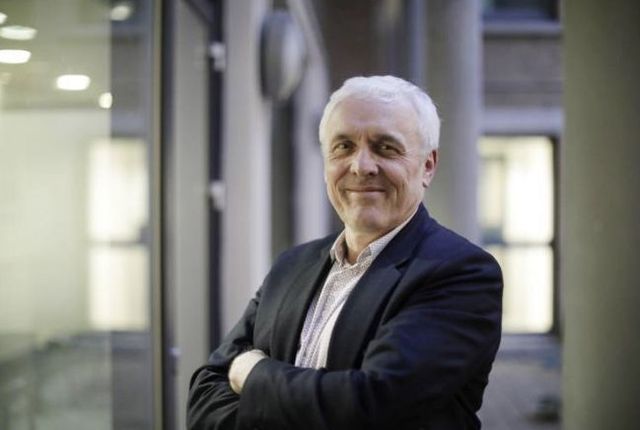
Professor Anthony Costello
The SAGE committee has come under intense public criticism due to the influence wielded by political figures, including Prime Minister Boris Johnson’s chief advisor, Dominic Cummings, a vocal advocate of the “herd immunity” policy adopted by the government. Cummings has participated in the SAGE committee, alongside Ben Warner, a Downing Street data scientist and political ally of Cummings on the Brexit Vote Leave campaign. Warner previously held a leading position in Faculty, an artificial intelligence company run by his brother Marc Warner, which has a government contract for data-mining related to the coronavirus outbreak.
A key industry figure working with SAGE is Demis Hassabis, co-founder of DeepMind, Google’s artificial intelligence division. Hassabis was invited to attend SAGE by the government’s chief scientific adviser, Sir Patrick Vallance—meaning that Google could have access to its discussions and findings when the public does not.
In addition, 16 of the 23 SAGE members publicly identified were known to be employed by the government.
Speaking yesterday morning on BBC radio’s Today programme, King, who served as chief scientific advisor to the Blair and Brown Labour governments from October 2000 to December 2007, was asked to justify his call for an independent advisory group aimed at delivering “robust, unbiased advice.”
“We don’t know what advice is coming from the scientists on SAGE into the government,” he told the BBC’s presenter. “[T]here is no transparency in the process. When ministers say they are simply following scientific advice, we, the public, don’t have any check on that.”
Emeritus Professor David King
King pointed to daily media briefings with scientists standing alongside government ministers, “[T]hat is very different from being free to say what your advice is. In other words, there’s a complete unity between what the scientists are saying and what the politicians are saying. In my view, the scientists put advice into the government and the government makes strategic and policy decisions based on other factors as well as the science advice.”
Asked whether scientific advisers were deferring to ministers, King replied, “I believe that’s the case, yes. I think there’s a very big difference between the situation today and the situation as it was in 2010-11. That is quite simply the permission to speak in the public domain has been changed.”
Earlier, King had cited government claims to be “following the science advice all the way” over its policy on face masks. The government does not recommend their use except by medical and care workers, with King replying, “There’s plenty of evidence to indicate that the wearing of face masks is a major help in reducing person-to-person vital transfer.” King commented, “I wonder whether that decision, apparently by Sage…was driven by the necessity of not requiring it because we don’t have the face masks available in this country. That’s a political issue. My advice would always be that face masks are required and that if we don’t have them, you need to see we acquire them for the people at large.”
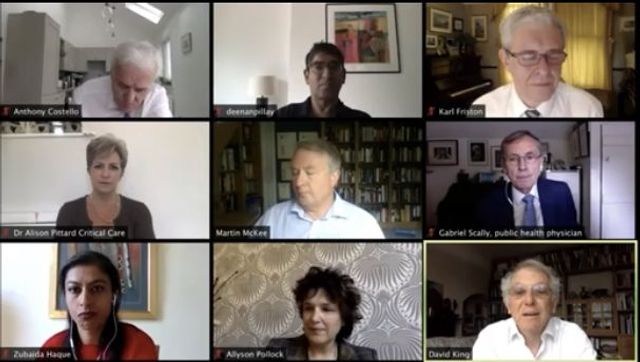
At 12 p.m., the scientists launched Independent SAGE with a meeting livestreamed on YouTube. Chaired by King, the meeting was attended by 12 scientists including King; Costello; Martin McKee, professor of European Public Health at the London School of Hygiene and Tropical Medicine; and Gabriel Scally, president of the Epidemiology and Public Health section of the Royal Society of Medicine.
The launch was reported by some media outlets early Monday morning, but the content of the subsequent livestream discussion was barely referred to throughout the day. Sky News broadcast the livestream shortly after 12 p.m., but abruptly cut the feed after around 11 minutes, challenging the credentials and motives of the scientists involved.
Independent SAGE meeting participants
The livestreamed meeting ran for two hours and 40 minutes, with differing views among scientists on a range of topics. The Johnson government was challenged, however, on several key points with major implications for public health:
  • Scientists challenged the accuracy of government data on COVID-19 infection and mortality rates, describing the quality of information as “unacceptable.” They defended the public’s right to accurate information, with Professor Karl Friston FRS suggesting that key statistics be included in nightly TV news bulletins in the same way as weather forecasts are included, to inform the public and guide effective social-distancing policies.
  • Scientists agreed they are unable to draw accurate conclusions about the percentage of the population who may have acquired immunity to COVID-19 and how many people are susceptible to infection. Professor McKee said, “I don’t think we have any idea how many people have been infected,” concluding that “we’re still flying very much in the dark.”
  • The number of new cases of infection is still “extremely high,” running at approximately 5,000 per day, explained Professor Costello, stating, “The question is, if we’re going to lift the lockdown, at what level of cases would it be safe, in addition to the R zero number, that we could lift the lockdown safely…?”
  • There is no proper quarantining policy in place, with Professor Deenan Pillay, an eminent virologist, saying, “absolutely nothing has come out with regard to how to nuance that information [the guidance on household quarantining]” for people in different circumstances and living situations.
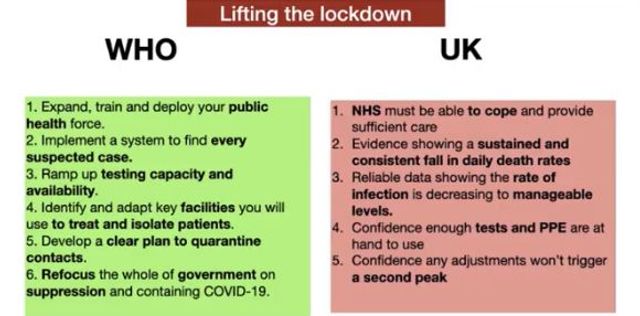
The most important discussion during the conference call focused on the criteria being used by the Johnson government to end the lockdown. Professor Costello showed a graph demonstrating how the UK government’s criteria for organising a return to work conflict with World Health Organisation guidance:
Speaking of the UK government’s criteria (displayed in the right-hand column, above), Professor Costello noted, “This still feels to me like a managed spread option [i.e., they are saying] ‘this is a pandemic, we can’t stop it, it’s spreading through the population but in a managed way’.”
Professor Costello explained that WHO’s guidance was focused instead on prevention: “WHO’s advice—daily for the last two months—is that you’ve got to go after each and every case, and for that you need testing capacity and also availability so that communities can get access to a test, rather than having to drive for two hours to some airport.”
Graph demonstrating how the UK government’s criteria for organising a return to work conflicts with World Health Organisation guidance
Professor Costello, an outspoken critic of the government’s “herd immunity” policy, posed the pointed question: “Are we re-focusing the whole of government on suppression, or are we managing the spread?”
While the Johnson government claimed to have ditched its herd immunity policy, Professor Costello commented, “It seems like [Health Secretary] Matt Hancock, [former Health Secretary] Jeremy Hunt and others are really pushing that [suppression rather than prevention] and I’m just not quite clear where the UK government sits between these two, so I think that’s something for discussion.”
Yesterday’s public challenge by scientists speaks to the depth of concern in the scientific community over the government’s response to COVID-19. The distortion and suppression of scientific truth by capitalist governments worldwide presents enormous dangers to public health and is generating growing opposition worldwide among scientists, doctors and throughout the working class.
Last night, the government was forced to release a list of more than 50 names of SAGE members. Two members declined to be named. Cummings was not listed as a member.

Denmark buys unreliable antibody tests to enforce back-to-work amid COVID-19 pandemic

Jordan Shilton

Denmark’s Social Democrat government has purchased unreliable antibody tests as part of its reckless back-to-work campaign. The minority government, which became one of the first in Europe to send pupils back to primary school last month, despite persistent questions about the role young children play in spreading the virus, has invested 120 million kroner (about €18 million) in antibody tests produced in China.
The authorities claim that the tests can show how many people have already been infected with the virus, including those who showed no symptoms, and are thus immune. However, questions remain about whether the tests are effective, whether patients who recover from coronavirus are immune, and if they are, how long this immunity lasts. The World Health Organisation has explicitly warned governments against assuming that COVID-19 patients develop immunity and stressed that further research is required.
However, Danish authorities are determined to use the tests as they push to restart the economy as soon as possible. Beyond the major purchase of tests by the central government, Denmark’s five regional administrations have purchased 1.4 million antibody tests from the Chinese Livzon brand, according to Politiken. Even the right-wing Indian government led by the arch-reactionary Narendra Modi has described Livzon’s antibody tests as “useless,” while Denmark’s own disease control agency, the Serum Institute (SSI), refuses to use the tests due to a reported accuracy rate of just 77 percent.
With a population of 5.8 million, Denmark has recorded 9,670 coronavirus cases as of Monday and 493 deaths. During the initial outbreak, testing was heavily restricted, meaning infection rates are likely much higher. Even health staff in three regions—Central, Southern and Copenhagen—were denied tests in March, as authorities only had enough resources to test seriously sick patients.
Social Democrat Prime Minister Mette Fredriksen is expected to announce another wave of re-openings this week, since the current order is due to expire on Sunday. Fredriksen already allowed children from kindergarten to year 5 to return to school as of April 15. Hairdressers, tattoo parlours, nail salons, and other businesses reopened on April 20. Even major stores like Ikea, where large crowds of shoppers typically gather, reopened in late April.
Unsurprisingly, Denmark’s reproduction rate has risen from 0.6 in mid-April prior to the reopening of schools to 0.9 at the end of the month. A reproduction rate above 1 indicates that each infected person passes the virus onto more than one person on average, which leads to an exponential growth of infections.
The alarming rise of the reproduction rate was brushed aside as insignificant by the authorities, as they prepare to go even further. Fredriksen declared last Thursday that the coronavirus is “under control,” while the SSI claimed the spread of the virus has “not accelerated” since the opening of primary schools.
Defending the opening of schools, Fredriksen stated that the move was necessary so parents could get back to work and “get the economy going again.”
The Social Democrat government is reportedly pushing for a reopening of all high schools by mid-May. The fact that this could lead to a dramatic spike in COVID-19 cases was underscored by research showing that the virus is already spreading particularly widely among teenagers. SSI figures revealed that 11 out of 100,000 teenagers have been infected, an increase from just 4 per 100,000 at the beginning of April.
Opposition to the precipitous reopening of the economy is building. A Facebook group set up by a parent titled “My kid will not be a guinea pig for COVID-19” has attracted over 40,000 members.
The rush to force people back to work even though the threat from the pandemic has by no means subsided is motivated above all by business considerations. At the beginning of last month, Denmark’s National Bank warned that a prolonged shutdown of the economy, which relies heavily on exports, could lead to a contraction of up to 10 percent in GDP. The Bank noted that a rapid reopening of economic activity, coupled with recoveries across Europe, could limit the downturn to 3 percent.
As in every other European country, vast sums of money are being made available to big business. Some 120 billion kroner (about €18 billion) in tax deferrals, including VAT and corporation tax, have been given to Danish businesses. Additionally, the National Bank has eased corporate access to liquidity.
Denmark’s debt to GDP ratio is comparatively low at just over 30 percent; the government’s pro-business measures are expected to raise it to over 40 percent. This low debt ratio has been achieved through savage austerity over recent years, under both Social Democrat and right-wing Liberal-led governments. Inequality has also risen significantly. While Denmark’s Gini coefficient stood at the relatively low level of 0.22 in 1990, it has since gone up to 0.29.
Although Denmark’s was one of the first governments to unveil a wage subsidy programme, paying 75 percent of workers’ wages if their employer kept them on payroll, the measure is limited to a four-month period. Support will expire on July 8, after which participating companies are free to fire staff. To obtain payments, workers had to take five days of holiday. At least 150,000 workers are receiving payments through the scheme. However, Employment Minister Peter Hummelgaard stressed in April that there is no guarantee that all workers will have a job to return to when the support expires. The jobless rate has already surpassed the highest level recorded during the 2008 economic crisis.
The Social Democrat minority government’s pro-business response to the pandemic, including its reckless drive for a premature return to work, depends on the support Fredriksen enjoys from petty-bourgeois pseudo-left parties. Fredriksen became Prime Minister last June, after concluding an alliance with the Socialist People’s Party (SF), Social Liberals, and Red Green Alliance (RGA). The latter formation is an alliance of ex-Stalinists and the Danish section of the Pabloite United Secretariat, the Socialist Workers Party (SAP).
For a decade, the SAP has played a key role in providing left cover for reactionary, right-wing policies. During Helle Thorning-Schmidt’s Social Democrat-led government in 2011-2015, the RGA twice voted for the state budget. This helped Thorning-Schmidt slash spending in line with European Union-dictated debt reduction requirements, which saw Denmark cut its structural deficit by 1.5 percent per year between 2011 and 2013. In 2014, the RGA voted unanimously to send Danish troops to Iraq to support the US imperialist-led war against ISIS.
Under Fredriksen, the RGA endorsed more reactionary measures, scapegoating immigrants for the deepening social crisis produced by decades of austerity. In December, the Social Democrats vastly expanded their “ghetto list,” a record of neighbourhoods across the country deemed socially undesirable. These “ghettos” invariably include districts with high immigrant populations. Residents are forced to send their children to kindergarten to receive classes on Danish values and traditions.
Nonetheless, the RGA enthused at its congress last October about the “progressive commitments” it had achieved from Fredriksen’s “A Fair Direction for Denmark” pact, which she signed with the SF, Social Liberals, and RGA upon taking power.
The pseudo-left RGA’s role in providing Fredriksen with a “left” cover as she forces workers back to work amid a pandemic is in line with the role being played by similar petty bourgeois forces internationally. In Spain, the populist Podemos, which is part of a Socialist Party-led coalition government, forced construction and other workers back to their jobs last month even as the coronavirus continued to run rampant. Now, with total cases approaching 250,000 and more than 25,400 deaths, the PSOE-Podemos government is further lifting restrictions.

With lifting of restrictions, world must brace for a second wave of the COVID-19 pandemic

Benjamin Mateus

The rate of COVID-19 infections in the United States continues to remain relatively flat, with approximately 25,000 to 30,000 cases per day. The number of daily fatalities has also remained steady at around 2,000 per day. These coronavirus cases continue to take a considerable toll on the health infrastructure.
As the Eastern Seaboard is seeing declining cases from the lockdown and restrictions placed into effect more than six weeks ago, the pandemic is moving westward into states like Indiana, Illinois, Wisconsin and Minnesota, where the number of daily cases continues to climb just as these states are moving to lift some restrictions. Canada, with over 60,000 cases and over 1,000 deaths, has seen the number of new cases triple over the last three weeks.
Additionally, rural communities in the US, which were initially spared, are facing the ravages of the pandemic. According to the New York Times, “As food processing facilities and prisons have emerged as some of the country’s largest case clusters, the counties that include Logansport, Indiana, South Sioux City, Nebraska, and Marion, Ohio, have surpassed New York City in cases per capita.”
Spain and Italy have made substantial efforts to decrease their daily cases, which are down by 60 percent from their peak, which occurred nearly six weeks ago. The daily cases of fatalities for these two countries have also seen a similar reduction. The United Kingdom has only managed to halt the acceleration of infections, with a current rate of about 5,000 cases per day. Daily fatalities in the UK are slowly turning downward. France and Germany have suppressed new cases and deaths by 80 percent. Portugal, Greece and Turkey have seen similar declines.
Just as in the US, there are indications that the virus is moving out of the European continent into Russia, where there are over 145,000 cases including 10,581 new cases in the last 24 hours. India, too, is seeing an acceleration of cases after a brutal five-week lockdown that caused tremendous hardship for the poorest. Despite this rise, on Monday India moved to relax restrictions, a tentative return to normal with the caveats of “social distancing and stringent hygiene standards” that will be impossible to implement.
Mexico City hospitals are expecting to see the surge peak in mid-May with an estimate of 1,800 patients in intensive care units (ICUs). In Lima, Peru, a city of 10 million people, where more than two million lack access to water and sewage services, the city is the epicenter for COVID-19, with nearly 30,000 of the 47,372 cases in the country. The metropolitan city of Chile, Santiago, has seen over 10,000 cases, accounting for 60 percent of the country’s cases.
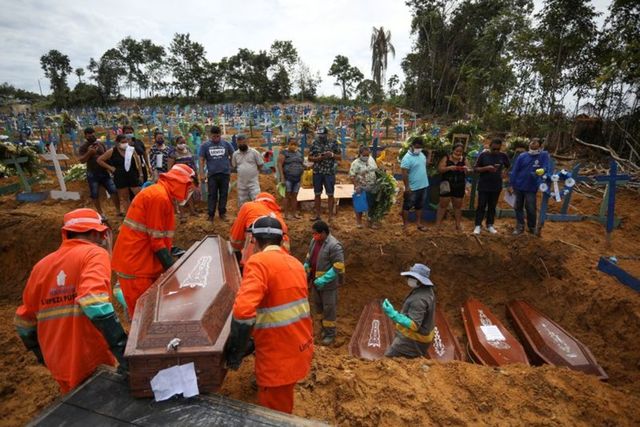
Brazil, now with over 100,000 total cases, has seen a spike in daily cases of more than 6,000 per day. Daily reported deaths have surpassed 400 per day, a gross underestimation of the real figure. The number of fatalities in Manaus, a city near the country’s rainforest, has forced cemeteries to bury five coffins at a time in collective graves. The city has run out of ICUs for patients. The cities of Rio de Janeiro and Sao Paulo are facing similar catastrophes despite the fascistic President Jair Bolsonaro’s proclamation that the virus is just a “little cold.”
A mass grave in Manaus, Brazil
According to every epidemiologist, too little is known about the nature of this virus to predict its behavior. But the mitigation efforts have made a difference. The African continent, with few resources and underfunded health infrastructure, but years of experience with malaria, HIV, Tuberculosis and Ebola, was much quicker to implement containment measures employing the basic ABC’s of public health measures. With 47,554 total cases and 1,838 total deaths, it is the least impacted continent, though it remains still too early in the course of the pandemic.
Meanwhile, the New York Times reported that an internal White House memo projected that the daily death toll would climb back up to 3,000 by June 1 as states move to relax social distancing efforts and restrictions on businesses. Even the highly criticized University of Washington’s low estimates, often quoted by the White House Coronavirus Task Force, have been revised again to nearly 135,000 deaths in the US by the beginning of August.
On CBS News on Sunday, Dr. Scott Gottlieb, President Trump’s former Food and Drug Administration commissioner, said, “While mitigation didn’t fail, I think it’s fair to say that it didn’t work as well as we expected. We expected that we would start seeing more significant declines in new cases and deaths around the nation at this point. And we’re just not seeing that.” Such disingenuous statements are aimed at downplaying the effects of mitigation and boosting efforts to lift restrictions.
The tremendous discipline, effort and sacrifice made by the working class of many countries to stem and turn the course of the pandemic matter little to the financial markets and their political stooges, who are eager to see restrictions lifted sooner and workers sent back to work regardless of the destructive potential of a second wave. Yet, it is the working class that should be genuinely credited for any measure of success that brought the pandemic under a modicum of control.
At every turn—from failure to provide protective gear and testing kits, delays in imposing restrictions, lack of workplace safety, the collapse of essential public health infrastructure, fraudulent claims of therapeutics for COVID-19—the ruling class has thwarted any real effort to stem and curtail the pandemic. Now the markets are clamoring, “It’s been long enough!”
On Monday, Reuters announced that world leaders had pledged nearly $8 billion to research, manufacturing and equitable distribution of any possible vaccine and therapeutics for COVID-19. The joint venture between the World Health Organization and the European Investment Bank is a new initiative and a suspect one.
According to WHO Director-General Dr. Tedros Adhanom Ghebreyesus, “Combining the public health experience of the World Health Organization and the financial expertise of the European Investment Bank will contribute to a more effective response to COVID-19 and other pressing health challenges.”
This initiative is supposedly aimed at developing more effective malarial treatments and addressing the pressing concerns over growing antimicrobial resistance. Much is being made of the Trump administration abstaining from pledging any help to these efforts as the US aims to direct blame against the WHO and China to cover for their malignant negligence in face of the pandemic.
During a meeting at the end of April, European Union leaders agreed to build a trillion-euro emergency fund, a bailout, while also committing the EU to fast-tracking return-to-work policies. According to Commission President Ursula von der Leyen, the EU had so far already provided state aid worth €1.8 trillion to blunt the economic hit of the coronavirus. These measures are the European counterpart of the US government’s multitrillion-dollar bailout of the markets and big business.

Global automakers press ahead with reopening in midst of coronavirus pandemic

Marcus Day

The global automakers are moving ahead this week with either restarting production or finalizing plans to reopen operations, even as the coronavirus pandemic continues to spread. At the same time, the blatant disregard for workers’ health and safety by capitalist governments, the corporations and their accomplices in the trade unions is generating widespread resistance to the back-to-work drive.
The auto giants have already begun to bring production in Europe back up. Last week, Fiat Chrysler (FCA) restarted its van plant in Atessa in Italy, the country hardest-hit by COVID-19 in Europe, even before the official lockdown was lifted. The company is starting up other Italian plants this week.
In addition, luxury automakers Ferrari in Italy and Rolls-Royce and Aston Martin in the UK are all resuming operations this week.
In North America, the Detroit Three auto companies are now targeting a restart date of May 18, less than two weeks away, despite the center of the auto industry, Michigan, continuing to be hammered by the pandemic. FCA has already begun erecting medical tents outside its Windsor and Brampton assembly plants in Ontario, Canada, along with some plants in the Detroit area. FCA, Ford and General Motors in recent weeks have solicited workers to return and beginning prepping factories to reopen in the US.
However, other automakers such as Hyundai, Kia, BMW, and Daimler have already restarted their factories in the US South, reopening plants in Montgomery, Alabama; West Point, Georgia; Spartanburg, South Carolina; and Vance, Alabama, respectively. Honda, Toyota, and Subaru are reported to be planning US production restarts next Monday, May 11.
The automakers confront virtually unprecedented challenges in restarting and coordinating vast supply chains across North America. Much of US assembly relies on parts produced in Mexico, where COVID-19 cases continue to rapidly climb. Like their brothers and sisters in the US, workers in Mexico confronting a lack of protective equipment and safety measures have rebelled in a series of walkouts at maquiladora sweatshops just across the border in recent weeks.
However, the government of Mexican President Andrés Manuel López Obrador (AMLO) is collaborating closely with the US manufacturing industry and the Trump administration in order to ensure that there is no disruption of supplies and parts to US corporations, regardless of the death toll. The president of Katcon, a global auto supplier, told the Detroit Free Press, “The feeling in Mexico, based on the statements from the government and the president of Mexico himself, have been very clear and sensible, balancing health and economic concerns as best as possible.” AMLO, the company executive added, “has said if the US and Canada are going to reopen, we will allow the automotive industry to reopen. Dialogue in Mexico is very positive and encouraging.”
On the part of the Detroit Three, press releases and public statements by company executives and union officials have ritualistically repeated talking points on the careful preparation of “safety protocols,” and concern for workers’ health being the “highest priority.” The facts, though, speak otherwise. It was not until workers launched a wave of wildcat strikes in March across Ontario, Michigan, Indiana and Ohio that the companies were forced to idle production. Even so, the belated shutdown of plants still allowed the virus to spread unhampered for weeks, resulting in at least two dozen workers succumbing to COVID-19 at the Detroit Three companies to date, and many more seriously sickened by it.
The Detroit News reported Monday that four workers from FCA’s Warren Truck plant had died, including 65-year-old Catherine Bright Pace, who worked in the paint shop where workers conducted a job action over the spread of the virus on March 16.
Both the companies and the United Auto Workers union are touting measures such as temperature checks as supposedly ensuring the conditions will be safe for workers to return. However, scientific reviews of the pandemic continue to provide evidence that large percentages of those who are contagious show no signs of fever or other symptoms, with a study in Iceland finding 50 percent of cases were asymptomatic.
Asked whether workers at GM Wentzville’s Assembly plant near St. Louis felt it was safe to return to work, a veteran worker told the WSWS, “No! Everyone I speak to are not with it at all. A lot of folks are saying if they start back up so soon, they are immediately going on sick leave.”
“My plant thinks that a mask and cleaning will keep us safe,” an auto parts worker at Metalsa in Kentucky said. “I have preexisting conditions myself, which are linked to a higher level of death, so I am completely terrified. The UAW will not help, the local union president has never done anything but help himself.”
Workers also continue to take to social media to voice their opposition. Posts on the UAW’s official Facebook page typically attract dozens to hundreds of angry comments, with workers denouncing the indifference of the union to their health and safety.
In response to UAW President Rory Gamble’s letter on April 30 lauding talks with Ford on restart plans, one worker wrote, “Wanna know how we can avoid any infections? Stay shut down. Not even a question, we see the money influencing these decisions.” Another commented, “You can’t even keep the bathrooms clean.”
While it continues to slavishly repeat company PR about safety protocols, the UAW has at the same time begun ominously warning workers about the necessity of “self-reporting” symptoms, seeking to shift responsibility for any future outbreaks from the companies onto workers. Last week, UAW-Ford Vice President Gerald Kariem said, “We also recognize that we all have a role in self-reporting any exposure without repercussions and in following through on implementing these protections.”
The auto companies and broader sections of corporate America are angling to secure the same liability protections granted by the Trump administration to the meatpacking industry, in the hopes of dodging lawsuits for knowingly subjecting workers to hazardous working conditions.
Industry lobbying groups such as the Alliance for Automotive Innovation, the Motor & Equipment Manufacturers Association and the National Association of Manufacturers published a letter to Congress Sunday, writing, “Companies doing their best to control the spread of this disease with the limited guidance available deserve legal protection.”
Attempting to cloak their clutch for their pocketbook with the cover of preventing shortages in goods and services, the letter continued, “Temporarily suspending suits that threaten to shut down vital industries … is a sensible step to ensure every American has access to basic life essentials without creating new shortages and exacerbating the crisis.”
Even as the auto giants are rushing to reopen production and renew the flow of profits, company executives and industry analysts have increasingly signaled their intentions to respond to the collapse in sales with ruthless cost-cutting measures.
On a recent conference call with investors, Ford CEO Jim Hackett said, “One truth, right? Don’t waste a crisis.” Hackett’s remarks reprise the comment made by Obama administration Chief of Staff Rahm Emanuel in 2008: “You never want a serious crisis to go to waste.” What Emanuel had in mind was to be made clear within a few months, as the Obama administration forced General Motors and Chrysler into bankruptcy, working with the auto companies and the UAW to close down a swath of plants, lay off thousands, and slash pay and benefits for new hires.
And in a recent Automotive News Daily Drive podcast, Morgan Stanley analyst Adam Jonas outlined the drastic extent of layoffs and other cost cuts expected by Wall Street if there is not a rapid return to business as usual. He noted that if auto sales remain at the recent level of 11 million a month, the automakers “run the risk of being a zombie industry.” In such a scenario, “most companies to remain viable would have to permanently reduce their headcount and/or fixed cost bases by 30 percent or more [emphasis added].” This would entail tens of thousands of job cuts, in the midst of the worst economic crisis since the Great Depression of the 1930s.
The drive to restructure the auto industry at workers’ expense is already generating opposition.
On Monday, workers at Nissan’s Barcelona plant in Spain began an indefinite strike, the same day the company sought to restart production at the facility. Nissan has thus far refused to release longer-term plans for the future of the plant, raising concerns that it may eventually seek to shutter it.
Autoworkers must reject the false dilemma presented to them of either joblessness and destitution or sickness and death. In every country, workers confront the need to form new organizations, rank-and-file factory and safety committees, in order to protect themselves from the pandemic and ensure that their rights are secured.
In opposition to the demands of the companies and their union partners for profits over workers’ lives, rank-and-file committees must demand the extension of the shutdown of all nonessential production, full compensation and income protection for the unemployed and furloughed, and a massive expansion of testing and medical care. To achieve these demands, the multitrillion-dollar government bailout of Wall Street and the major corporations must be reversed, and the auto industry placed under workers’ democratic control.

Layoffs and corporate bankruptcies spread as US workers face mounting hardship

Shannon Jones

US clothing retailer J. Crew has filed for bankruptcy and US Steel and GE Aviation announced major jobs cuts as the economic catastrophe engulfing US workers grows amidst the coronavirus pandemic. Along with a general meltdown of brick and mortar retail, manufacturing as well as health care and public services face deep cuts.
Despite the push by the Trump administration to abandon social distancing standards and reopen wide sections of the US economy, the US COVID-19 death toll is holding steady at well over 2,000 daily. By the latest count cumulative US deaths are near 70,000 with over 1.2 million confirmed infections.
A report by the Centers for Disease Control published in the New York Times Monday contradicted the rosy official reports by the White House suggesting the virus is in decline. It predicted the US daily death rate would reach 3,000 by June 1 with 200,000 new cases daily as the virus spreads into less urbanized areas that previously had been only lightly impacted. While the Trump administration has distanced itself from the report, the numbers were based on modeling by the US Federal Emergency Management Agency.
The health crisis is being compounded by a continuing meltdown of the US economy, with 30 million having filed for unemployment and unknown millions more either not eligible for jobless benefits or unable to file due to overloaded state offices. This does not take into account the millions of small businesses facing ruin due to the drying up of customers.
On top of the millions impacted by temporary business closures, major corporations are announcing permanent job cuts in anticipation of a protracted recession.
US fashion retail chain J. Crew filed chapter 11 bankruptcy on May 4, the first national retail casualty of the pandemic. It has agreed to turn over effective control of the company to its creditors in exchange for the cancellation of $1.7 billion in debt. It said it had no plans at present to close stores, but its future, like that of many retail businesses, remains highly uncertain.
Other major retailers could follow. Neiman Marcus and J.C. Penney are reportedly struggling to raise cash and are likely considering following the examples of J. Crew.
Meanwhile, U.S. Steel said in a filing Friday that it is preparing for the layoff of as many as 6,500 employees, although it expects the actual number affected to be about 2,700 of the 27,500 it currently employs. Even before the coronavirus pandemic hit, the company faced slowing demand as auto sales stagnated.
The company has now idled seven out of its 10 US blast furnaces in the United States. These include three at the Gary Works site in Indiana, one at Granite City in Illinois, two at Great Lakes Steel in Michigan and one at the Mon Valley Works south of Pittsburgh.
On Monday, General Electric said it planned to cut the global workforce in its aviation division by 25 percent, perhaps impacting up to 13,000 jobs. The cuts come amidst a collapse in air travel and a likely sharp fall in orders for new planes from struggling airlines. The cuts will involve both voluntary and involuntary layoffs.
GE said the cuts were permanent as it expected a prolonged depression in air travel. In a letter to employees, GE Aviation CEO David Joyce said, “To protect our business, we have responded with difficult cost-cutting actions over the last two months. Unfortunately, more is required as we scale the business to the realities of our commercial market.”
The spiraling economic crisis is forcing state and local governments to prepare for massive cuts as tax revenue dries up. According to an estimate by the National League of Cities, between 300,000 to one million public-sector workers could be furloughed or laid off, impacting areas such as education, sanitation, public safety and health. The city of Detroit has already reduced hours or furloughed 3,000 workers. The City of Los Angeles has presented a 2020-21 budget calling for the temporary furlough of 15,000 employees.
Underscoring the irrationality of for-profit medicine, health care providers across the US have carried out massive layoffs, furloughs or pay cuts. Hospitals have seen revenue dry with the cancellation of nonessential procedures while facing high costs for treating COVID-19 patients, including the inflated cost of supplies such as masks. Some hospitals are concerned that vendors are buying up available supplies to sell them at higher prices.
The onset of the pandemic has seen a wave of bankruptcies, as already struggling firms were pushed over the edge. Among the recent casualties were:
  • Art Van Furniture, a Warren, Michigan-based retail chain, filed for bankruptcy March 8 and closed all 176 of its retail locations with the loss of about 3,700 jobs.
  • Miami, Florida-based CMX Cinemas, a movie theater chain that also runs dine-in restaurants and bars, filed for bankruptcy April 25. All 41 of its theaters located in 12 states had been closed during the pandemic.
  • The slump in oil prices and demand forced Diamond Offshore Drilling to file for bankruptcy April 27. The Houston, Texas-based company employs 2,500 people and had revenue of $981 million last year.
  • Another petroleum company impacted by the oil glut, Denver-based shale oil producer Whiting Petroleum, filed for bankruptcy on April 1, though it said it would continue to operate its business. One analyst predicted that it was only “the first domino to fall” in the US energy sector amidst the collapse in oil prices. The US shale oil sector has the highest production costs in the world and needs a $50-$55-a-barrel world price to operate in the black.
  • Frontier Communications FTR, one of America’s largest telecom companies, filed on April 14. FTR is facing $10 billion in outstanding debt. Private equity firm BlackRock is the company’s largest stockholder, with a 9 percent investment. Vanguard Group and Charles Schwab each hold about 6 percent. Frontier is the fourth largest telecommunications provider but was loaded up with debt following the acquisition of Verizon wireline services in several states including Texas, California and Florida.
  • Modell’s Sporting Goods, based in New York, filed for Chapter 11 on March 11 and said it will close all 153 stores in the northeast. It had been in business since 1889.
  • Auto parts maker Spectra Premium filed for bankruptcy in Canada on March 10 with a simultaneous filing in the US. The company said that its operations had been hurt by US tariffs against China.
  • SpeedCast International, a satellite internet company that provides internet service to the cruise industry when ships are out at sea, filed for bankruptcy on April 23. The company serves 80 percent of cruise brands globally.
  • National fitness chain Golds Gym filed for bankruptcy Monday. It will close 30 gyms but continue operations at its 700 other locations, including about 63 company-owned and operated.
An analysis by Gusto, a support platform for small business, found young people and low-wage workers are those being hardest hit by the economic meltdown. Those earning less than $20 per hour were 115 percent more likely to be laid off than those making $30 an hour or more. In addition, those under age 25 experienced a 93 percent higher rate of job loss than those age 35 and above.
According to their data, “the vast majority of workers in food and beverage, accommodations, and salon and spa are paid hourly” and more than 75 percent earn less than $15 an hour. These are industries being hardest hit by state lockdowns.
The so-called stimulus measures by the US government, far from addressing the crisis, have been targeted to line the pockets of the super-rich, not to alleviate social distress. Tens of millions have not received even the meager one-time $1,200 one-time “stimulus” checks and millions more are still waiting for unemployment benefits, assuming they can get through to overwhelmed state offices.
This is not merely the result of bureaucratic incompetence, but part of a policy. The ruling class is using the growing economic distress as a weapon to force workers back into the factories to crank out profits for the corporations, even as the pandemic continues and the death toll mounts.
Workers must oppose the antisocial, in fact homicidal, policy of the corporate elite with its own strategy based on the fight to unify workers globally in the fight for socialism. The resources to fight the pandemic must be mobilized by seizing the vast fortunes of the billionaires to provide economic relief to workers and small businesses and the implementation of mass testing and other measures needed to stem the pandemic.