19 May 2020

Mass sackings as German department store group closes up to 80 stores

Dietmar Gaisenkersting

Last week, several German companies announced massive job cuts. Workers are to bear the costs of the coronavirus crisis, so that the dividends of the shareowners remain secure. The crisis is also being used to speed up previously agreed restructuring measures.
For example, the announcement by Germany’s largest department store group, the merged Galeria Kaufhof Karstadt, to close almost half of its stores was foreseeable, although not to this extent.
The group is already under insolvency protection. In this preliminary stage of the insolvency proceedings, management continues to run the business, while the announcement of closures and mass layoffs is assigned to the appointed insolvency administrators.
As reported by business magazine Wirtschaftswoche and the Reuters news agency on Friday, court-appointed administrator Frank Kebekus and the chief representative Arndt Geiwitz, who had already liquidated the Schlecker retail group, plan to close up to 80 of the more than 170 department stores. In the remaining stores, up to 10 percent of jobs are to be cut.
On Saturday, the Kölner Stadt-Anzeiger, with information from an insider from the group of companies, reported that about 20 of the 30 Karstadt-Sport stores also faced rapid closure. This would affect about 1,000 employees. The newly founded subsidiary Atrys, which operates the travel agencies of Galeria, is expected to be hit even harder. According to the newspaper, 100 of the 130 travel agencies will close.
In addition, thousands of jobs are to be cut at Galeria’s Essen headquarters, where 1,600 people currently work. The headquarters of Karstadt-Sport, with 60 employees, also in Essen, will be eliminated without replacement.
Suppliers to the department store chain have also been hit. Handbag manufacturer Picard, with 2,000 employees worldwide, announced job cuts last week. The family concern sells 30 percent of its bags through the German department store chain. Picard applied for insolvency protection at the Offenbach district court at the beginning of last week.
The management of Galeria Kaufhof Karstadt had already prepared employees for the dismissals in an earlier letter. “Galeria Karstadt Kaufhof has lost more than half a billion euros during the period of complete closure,” they wrote. Sales over the last eight weeks, including the important Easter period, had slumped and the shortfall could not be made up. “Overall, the loss in sales is expected to increase to up to one billion euros,” management said.
So now, the workforce and their jobs are supposed to pay for the loss of sales. According to reports, however, there are no final decisions yet about the future of the approximately 25,000 employees. At the moment, talks are being held with the landlords of the department stores about rent reductions, which could have an impact on job losses.
The group is owned by Signa Holding, which belongs to the Austrian real estate investor René Benko. Although Benko has recently sold several department store properties as a package, he still owns a large part of the department stores himself. In any event, he is interested in the properties he has acquired with the two department store groups, which he is now exploiting at a profit.
The RedaktionsNetzwerk Deutschland (RND) rightly points out that the downsizing concept now presented was already being “negotiated in industry and company circles” during the merger at the end of 2018. “Does corona only serve as a pretext to pull old restructuring concepts of the Karstadt Kaufhof department store chain out of the drawer again?” asks author Frank-Thomas Wenzel.
Galeria Kaufhof Karstadt is not the only company taking advantage of the crisis to push through already planned restructuring measures on the backs of the workers.
Germany’s largest financial institution, Deutsche Bank, which has been laying off employees for a long time, announced last week that it will accelerate this process. By the end of 2022, the board of directors wants to reduce the number of full-time jobs in the group by about 18,000, to 74,000 worldwide.
On Sunday, the chairman of the railway workers’ union EVG, Klaus-Dieter Hommel, reported that the railway was endangering more than 10,000 of the current 213,000 jobs. Hommel told Bild am Sonntag that in return for state aid, the railway wanted to save about €5 billion, including about €2.25 billion in personnel costs.
One of the largest tour operators in Germany, the TUI group, also announced last week that it would cut 8,000 jobs. In March, TUI had almost completely discontinued its business activities and, so far, holidays have been cancelled until June 14. The summer program is currently only 35 percent fully booked.
“The season will start later, but could take longer,” said TUI boss Friedrich Joussen. Many employees are on short-time work, and the group will receive an additional loan of €1.8 billion from the state development bank KfW. Now he wants to reduce administrative costs by 30 percent. This will “have an impact on about 8,000 jobs worldwide, which we will not fill or reduce,” said Joussen. TUI should “emerge stronger from the crisis.”
Other corporations, which have suffered losses due to travel restrictions, have also announced reduction plans in recent days and weeks. The Frankfurt airport operator Fraport is preparing an unspecified reduction of jobs affecting approximately 22,000 employees. Currently, more than 18,000 of them are still on short-time work.
While the Lufthansa group is haggling with the federal government for a loan of up to €10 billion and wants to cut at least 18,000 jobs, Lufthansa subsidiary Brussels Airlines announced last week that up to 1,000 jobs will be cut. This would affect one-quarter of the workforce.
Meanwhile, aircraft manufacturer Airbus has announced plans to cut 10,000 jobs. At the end of April, Airbus head Guillaume Faury had already written to the 135,000 employees saying, “The survival of Airbus is in question if we do not act now.” Placing 6,000 workers on leave of absence could just be the beginning, he had warned the workforce at the time.
The unions support this course, merely making toothless appeals to the corporations, if at all. Addressing TUI managers who are to receive a state loan of €1.8 billion, the head of the German Federation of Unions (DGB), Reiner Hoffmann, told the Neue Osnabrücker Zeitung last Thursday, “If the state helps, the bottom line is that more jobs must be saved.”
The works councils of Galeria Kaufhof Karstadt and the trade union Verdi have been preparing the current jobs massacre for years with ever new cuts in posts and wages, allegedly to ensure competitiveness. Before Christmas, the group had supposedly guaranteed the future of the chain and thus also secured stores and job security through collective bargaining, it was claimed. Now they are complaining that the massive downsizing will be at the expense of the workforce, and appeal to politicians not to allow this.
The “hard fight” announced by Verdi is pure bluff. The trade unions do not represent the interests of workers against the corporations, but just the opposite, the interests of the companies and their shareholders against the employees.
To preserve the jobs, health and lives of the workforce in the coronavirus crisis, it is necessary to break with the trade unions politically and organisationally. The Sozialistische Gleichheitspartei (Socialist Equality Party) and the WSWS propose the creation of action committees, which will organise not only the defence of jobs but also the protection of workers in the face of the gradual resumption of work.
Workers should demand that protection against infection with the dangerous virus be guaranteed. At the same time, all workers must receive an income that guarantees their families a decent standard of living, whether they are at work or not.
The billions in state aid that are now flowing into the large corporations and banks must instead be used to contain the pandemic and overcome its social consequences. The large corporations must be expropriated and placed under workers’ control. The same applies to the banks, hedge funds and assets of the rich. Only in this way can all available resources be used to satisfy the urgent needs of society.


NHS management said elderly would “have to die” in care homes

Robert Stevens & John Stryder

Devastating evidence has come to light confirming that the Johnson government’s murderous policies have led to the deaths of thousands of care home residents.
Office for National Statistics (ONS) data shows that around 12,000 people have died in the UK’s care homes. The real figure is far higher—at least 20,000 according to the Financial Times and the Times.
Researchers at the London School of Economics’ (LSE) Care Policy and Evaluation Centre concluded that 22,000 care home residents in England and Wales may have died as a direct or indirect result of COVID-19. The LSE found that ONS data on care home deaths directly attributed to the virus significantly underestimated the impact of the pandemic, accounting for four out of 10 (41.6 percent) of the “excess deaths” in care settings recorded in recent weeks in England and Wales.
It states, “Calculating total excess mortality in care homes since 28 December and adjusting this by the assumption that 15 percent of care home residents die in hospital, suggests that by 1 May there had been in excess of 22,000 deaths of care home residents during the COVID-19 pandemic—54 percent of all excess mortality—in England and Wales.”
The government is desperate to cover-up the scale of its crimes.
Last Friday, Health Secretary Matt Hancock declared that the government had “tried to throw a protective ring around” care homes “right from the start” of the outbreak.
In truth, the government turned the UK’s 20,000 care homes—housing over 400,000 elderly and vulnerable people—into killing fields.
Among the most heinous crimes of the Tories was the directive from NHS England in March to clear thousands of people out of hospital beds, with many sent to their death beds in care homes. The NHS, de-staffed and brought to its knees by tens of billions in budget cuts over the previous decades, feared that it would be unable to cope with an influx of coronavirus patients. In a bid to ensure there would be no photos and footage of COVID-19 patients dying in hospital corridors, as in Italy, thousands of elderly people were booted out of hospital, many without even being tested to see if they were infected.
In a letter to the Sunday Times this week, the owner of a private care home “providing 500 beds in the southwest of England” revealed, “On March 17, Sir Simon Stevens, the NHS chief executive, said hospitals had to get 90,000 beds cleared, so they needed to get 30,000 people out. So, they sent patients with no tests into care homes. They said: We don’t need tests—you’ve just got to take them.”
The letter from Stevens to all NHS hospitals demanded they “Urgently discharge all hospital in patients who are medically fit to leave.”
The owner added, “Well, I’ve now got two homes with COVID-19. We can trace it. In both homes, it came from residents bringing the virus from hospital. So, when the manager of another of my homes rang to tell me he’d refused, I said categorically, ‘Well done.’ That home has 90 beds, and to this day it is still COVID-free.”
He continued, “The government is boasting how it did so well in protecting the NHS, but the reality is deaths in care homes.”
Hospitals were also declared out of bounds for residents of care homes who needed vital medical attention—with the result being social murder on an industrial scale. The care home owner commented, “We were sent a public health document on March 13, which said that if any of our residents got significantly ill, they wouldn’t be allowed into hospital and would have to die in their home. We’d never read anything like it.”
Many on social media are critical of the government’s lies and propaganda. Opposing the claims of Chancellor of the Duchy of Lancaster Michael Gove on Sunday on the BBC’s Andrew Marr Show that care homes had been adequately protected during the pandemic, one doctor tweeted, “I don’t often tweet politics but watching @michaelgove on #Marr, I have to say this: The care homes I look after DID have COVID-positive residents discharged from hospitals. The staff DID NOT have adequate PPE [personal protective equipment]. Other residents caught COVID and DIED in HIGHER NUMBERS as a result.”
Last month, it was reported that Britain’s Chief Scientific Adviser, Sir Patrick Vallance, along with other senior scientists, had warned politicians “very early on” about the risk COVID-19 posed to care homes. The Scientific Advisory Group for Emergencies (SAGE) have been advising the government twice weekly since the first coronavirus meeting on January 22.
According to reports, Vallance had “flagged” the risk of care home and hospital outbreaks at the start of the epidemic. While the government launched its cynical “protect the NHS” campaign, under conditions in which front-line nurses were having to combat a deadly virus with inadequate or no PPE, nursing homes were left to their fate.
As recently as March 12, the only government advice on care home residents—dating back to February 25—was, “it remains very unlikely that people receiving care in a care home will become infected.”
This guidance remained in place until March 13, more than a week after the Chief Medical Officer, Sir Chris Whitty, confirmed publicly that it was “highly likely” community transmission had started and that organisations should proceed on this assumption. However, the guidance continued to say that cases in care homes were “very unlikely” for eight days after there was known community transmission.
Due to the government’s “herd immunity” strategy, the disease ran rampant throughout the population in January, February and for further weeks into March. Last week, results from a study by researchers at Cambridge University—based on a survey at the city’s Addenbrooke’s Hospital—found that thousands of nurses, doctors and healthcare workers could be carrying COVID-19 without realising they have been infected and that they may, in many cases, show no symptoms.
On April 2, the Department of Health issued separate guidance that negative tests for coronavirus were “not required” before discharging people from hospital into a care home. The document was signed jointly by the Care Quality Commission (CQC), the NHS and Public Health England.
The CQC is now investigating claims that several hospitals returned people to care homes despite suspecting—or even knowing—they were infected.
The crisis was worsened by soaring staff absence rates. According to the Guardian, “Care homes have been running at 10 percent to 20 percent staff absence rates and many homes have been trying to isolate residents in their rooms to reduce infection spread, but this can also make their normal care more difficult and residents’ needs less visible.”
Absence rates in some homes are far higher. One care home manager in the north west of England told the World Socialist Web Site that up to 70 percent of staff had been off during the pandemic. “It’s been absolute chaos. It’s been like a whirlwind. Staff running out, never to be seen again. With the effect on staffing levels, it is impossible to keep a lid on it [the virus]. Residents without [mental] capacity but with no symptoms can spread the virus as they wander the halls and day rooms.”
Responding to Hancock’s lies, Martin Green, chief executive of Care England, the largest representative body for independent social care services, said he wanted to “see the evidence of what exactly the protective ring consists.” He said, “Ask them why, if in February the government was prioritising care homes, we did not see the statistics on deaths?”
On Monday, the Guardian reported fresh outbreaks of COVID-19 in care and nursing homes in west London. It cited Dr Anna Down, a clinical lead at a GP practice with 1,000 residents on its books in 15 privately run nursing homes. Down said, “Just when we thought there might be light at the end of the tunnel, two new or worsening care home outbreaks over the past 48 hours.”
In one home, 27 people had already died from confirmed or suspected COVID-19. The home, which “had not recorded any new cases for a fortnight, diagnosed eight of 22 people living in one of its units with the virus, when testing was carried out. Five residents have also been hospitalised in the past few days.”

Ukrainian National Police official demands a list of Jews living in Kolomyya

Jason Melanovski

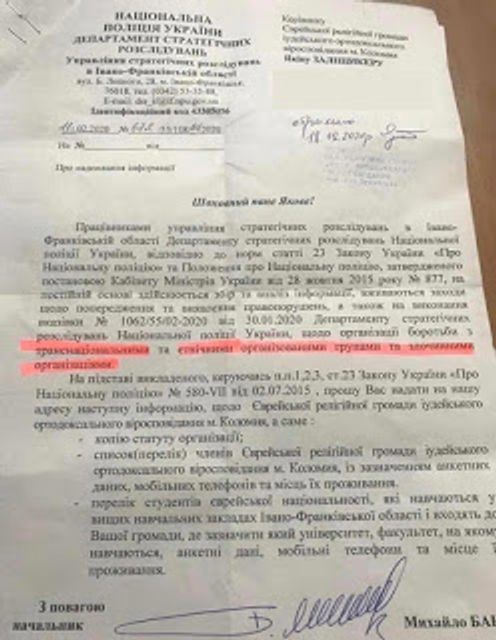
A high-ranking official in Ukraine’s National Police made international news last week after it was revealed that he sent a letter to the head of the city’s Jewish community demanding a list with the names and personal data of Jews residing in the western city of Kolomyya.
Myhaylo Bank
The letter, which was dated February 18, 2020, was signed by Myhaylo Bank, an officer in the national police force who handles organized crime. The contents of Bank’s letter were made public on Twitter last week by Eduard Dolinsky, the director of the Ukrainian Jewish Committee. He described the letter as a “total disgrace and open anti-Semitism.”
The letter reads: “Please provide us the following information regarding the Orthodox Jewish religious community of Kolomyya, namely: The organization’s charter; list of members of the Jewish religious community, with indication of data, mobile phones and their places of residence.”
Bank also requested the personal information concerning Jewish students studying in the region’s universities. He attributed the request to a “fight against transnational and ethnically organized groups and criminal organizations.”
In addition to targeting Kolomyya’s Jewish community, Bank sent a letter to the representatives of ethnic Poles living in the city, demanding similar information.
Jacob Zalichker, the head of Kolomyya’s Jewish community, declined to provide the requested information without a court-ordered warrant and ultimately shared the letter with Dolinsky, who initially thought it was a joke.
The letter sent by Bank (photo: Twitter)
Far from a joke, the letter is further proof that far-right and racist elements openly operate within the US-backed Ukrainian state. Such elements have only been strengthened since 2014, when they were employed by a section of the Ukrainian ruling class to overthrow the elected government of President Viktor Yanukovych, with the full support of both US and German imperialism.
Ukraine’s National Police force was formed in 2015 as part of the “reforms” initiated by former President Petro Poroshenko following the United States-backed coup in 2014.
Since its inception, the organization has been led by the Ukrainian minister of the interior, Arsen Avakov, who has well known ties to the country’s most notorious fascist militia, the Azov Battalion. Avakov has denounced any attempts by the US Congress to designate the group as a terrorist organization.
Avakov is the only holdover from the Poroshenko regime to remain in the government of Volodymyr Zelensky, who succeeded Poroshenko after winning the presidential election of April, 2019. The former US ambassador to Ukraine, Marie Yovanovitch, warmly praised the Zelensky government in her testimony before the House of Representatives during the Trump impeachment investigation last year.
Under Avakov’s leadership, Ukraine’s far-right groups have been given free rein to carry out a range of targeted political assassinations and attacks on ethnic minorities. The culprits are rarely arrested or, if arrested, are punished with minimal sentences. Meanwhile, the groups with which they are affiliated, such as the Azov Battalion and the neo-Nazi C-14, are allowed to continue their operations. They maintain close ties with representatives of the Ukrainian government.
In October of 2019, Zelensky’s former prime minister, Oleksiy Honcharuk, attended a neo-Nazi-organized rock concert and gave a speech while positioned in front of a swastika flag.
Last week, following protests by the Israeli ambassador to Ukraine upon news of Bank’s letter, the head of Ukraine’s National Police, Gen. Ihor Klymenko, announced that he was opening an investigation into the matter rather than immediately firing Bank for an obvious case of anti-Semitic persecution and intimidation.
President Zelensky has not made a single statement on the case. Late last year, his government, following in the footsteps of Poroshenko, named a series of Nazi collaborators as “national heroes.”
While particularly egregious and scandalous, the case in Kolomyya is only the latest in a long series of state-led crackdowns and efforts at intimidation of religious and ethnic minorities.
Last month, in the western city of Ivano-Frankivsk, which is located just an hour from Kolomyya, Mayor Ruslan Martsinkiv ordered local police to remove Roma from the city and transport them to the country’s Transcarpathia region. After being notified by police that 12 Roma individuals refused to leave, Martsinkiv angrily snapped, “What does ‘refused’ mean? And why weren’t they packed up? You are the police. You must resolve this issue by next Tuesday. We gave you a bus. The police asked for a bus and we gave it to you. Why weren’t they packed up and taken out?”
Martsinkiv, who is a member of the far-right Svoboda Party, which was intimately involved in the 2014 coup, also suggested that Roma were responsible for spreading COVID-19 within Ukraine.
In January, in Ivano-Frankivsk, local officials, including Martsinkiv, attended the funeral of a veteran of the Nazi-led SS Division Galicia, which was made up of Ukrainian volunteers who committed atrocities against ethnic Poles in western Ukraine. During World War II, approximately 1.5 million Ukrainian Jews were killed by the Nazis and their Ukrainian fascist collaborators.

US steps up witch hunt against Chinese scientists

Shuvu Batta

The US federal government has arrested researchers and scientists of Chinese descent as part of an accelerated crackdown on alleged participants of China’s “Thousand Talents” program. The program was created in 2008 by the Chinese Central government to recruit leading international experts in scientific research by offering research opportunities and financial incentives.
The attack on scientists follows the Trump administration’s suspension of immigration into the United States via executive order. Trump claimed the action was necessary to “help to conserve vital medical resources for American citizens,” and will “help put unemployed Americans first in line for jobs as we reopen.” The country with the most billionaires in the world, despite having 4 percent of the world’s population, has 29 percent of the world’s deaths from COVID-19. Seeking to deflect from its colossal failure in handling the pandemic, the Trump administration, representative of the financial oligarchy, is blaming economic hardship on immigrants, going so far as to imply that they are not worthy of medical care.
This nationalist campaign of the financial oligarchy, which aims to divide the international working class, extends especially to Chinese workers, who are being blamed for “stealing” national trade secrets. On February, FBI Director Christopher Wray said at the Department of Justice China Initiative Conference, “China is threatening the U.S. economy—and national security—with its relentless efforts to steal sensitive technology and proprietary information from U.S. companies, academic institutions, and other organizations… They’ve shown that they’re willing to steal their way up the economic ladder at our expense,” adding that “The Department of Justice and the FBI are going to hold people accountable for that and protect our nation’s innovation and ideas.”
On May 13, Qing Wang, a former Cleveland Clinic doctor was arrested. The next day, he appeared in court on charges of wire fraud and falsifying his personal information to obtain millions in federal grant funding.
In a released statement, Eric Smith, the FBI agent in charge of the investigation alleges that “Wang knowingly withheld information that he was employed and served as Dean of the College of Life Sciences and Technology at the Huazhong University of Science and Technology.”
The arrest is not a unique case. On May 11, Simon Saw-Teo Ang, a professor specialized in electrical engineering and former NASA researcher at the University of Arkansas pled guilty on charges of wire fraud. Three days earlier, Dr. Xiao-Jiang Li, former molecular biology professor at Emory University, pled guilty on charges of filing a false tax return.
Arrests related to the program started in January, when Charles Lieber, a pioneer in nanoscience and former Harvard Chemistry Department Chairman, was arrested on charges of making false statements about his involvement with the Thousand Talents program. Lieber was subsequently able to purchase freedom through the payment of his $1,000,000 bond.
Professor Frank Wu, at the University of California Hastings College of the Law, has kept close track of Chinese Espionage cases. In an interview with NPR, Wu said of the case against Lieber, “Up until a few years ago, universities were urging their researchers to collaborate with China. If there was a funding issue, a researcher might face disciplinary action, but you wouldn't face being fired and going to prison and having your name dragged through the mud as a spy.
“This is a big, big case. This is a case that's all about U.S.-China relations. It's about competition. It's about how science should be done.”
The professors were being targeted under the “China Initiative”, a broad program created in November 2018 by former Attorney General Jeff Sessions and led by the Department of Justice’s National Security Division. Upon its creation, Sessions stated, “Chinese economic espionage against the United States has been increasing—and it has been increasing rapidly. Enough is enough. We’re not going to take it anymore. I have ordered the creation of a China Initiative led by Assistant Attorney General John Demers and composed of a senior FBI Executive, five United States Attorneys … and several other Department of Justice leaders and officials.”
A year after the creation of the initiative, the Senate Permanent Subcommittee on Investigations, released a bipartisan report, with the conclusion that foreign countries “seek to exploit America’s openness to advance their own national interests” and that “the most aggressive of them has been China.” It especially cited the Thousand Talents Program, claiming that China used the program to exploit access to US research labs and institutions. The FBI deemed the program to be a form of “non-traditional espionage.”
Since the initiative’s creation, dozens of people, including professors, cancer researchers, engineers, and businessmen have been indicted and jailed. In conjunction to this crackdown, several departments of the US executive branch have moved to sanction groups and individuals with ties to its geopolitical rivals.
According to China Initiative leader John Demers “Among the 6000 Chinese scientists who have received grants from the National Institute of Health, around 180 are currently under investigation for violation of intellectual property law.”
The US Department of Education is currently investigating nine campuses for violating Section 117 of the Higher Education Act. This obscure provision requires colleges to report all gifts and contracts from foreign sources that exceed $250,000. It was put in place in 1965 but remained unenforced till 2019 and 2020.
In letters to Harvard and Yale on February 11, the department wrote that it was investigating whether the two Ivy League universities had failed to report $375 million from countries including China, Iran, Russia, Qatar, and Saudi Arabia. The letters specifically requested all records of gifts and contracts from two Chinese telecommunications firms, Huawei and ZTE; the Russian security firm Kapersky Lab; and national research funds, The Skolkovo Foundation of Russia, The Alavi Foundation of Iran, The Qatar National Research Fund, and the Thousand Talents Program of China.
The China Initiative is not an aberration, but a continuation of a decades-long pressure campaign by the US ruling class in its drive for global domination.
From 2001 to 2011, the Justice Department secured over 100 convictions in cases involving trade secret thefts and six convictions in economic espionage cases. In 2011, a federal court in Indiana sentenced a scientist to seven years in prison on charges of “economic espionage” on behalf of a foreign university tied to the Chinese government.
Under the Obama administration, Attorney General Eric Holder established an internal Task Force on Intellectual Property in 2010 and in 2013 advanced a strategy of increased surveillance and prosecution for cases of “trade theft,” which sharply escalated the activity of the FBI and other government departments, ultimately leading to a rise in arrests of professors and scientists.
Among those arrested was Professor Xi Xiaoxing, a US citizen and chair of the Physics department at Temple University. FBI agents broke into his home and arrested him for charges of sharing sensitive technology with collaborators in China. He never did, and furthermore the findings of his research were public from the very beginning. The FBI had to drop its charges. The professor lost his job, his title, and was prohibited from entering the campus or speaking with students. Similar experiences were shared by Professor Sherry Cheng, a government hydrologist in Ohio, and two former Eli Lilly scientists.
The bipartisan drive of the United States to criminalize individuals of Chinese descent is part of an international phenomenon caused by the push of all imperialist powers towards world war.
Trump has labelled COVID-19 as “the Chinese virus,” calling it an “attack” by China and the “worst attack” in US history. Secretary of State Mike Pompeo has advanced the “big lie” that the virus originated in a Wuhan Lab, despite scientific proof that the origins were zoonotic transfer—transfer from animal to humans. This claim has been repeated by state-sponsored far-right politicians and groups internationally.
The lies of governments and politicians around the world has provided the fuel necessary for an international upsurge of anti-Asian violence. According to Human Rights Watch: “In the UK, Asian people have been punched in the face and taunted, accused of spreading coronavirus. Two women attacked Chinese students in Australia, punching and kicking one and yelling ‘Go back to China’ and ‘you f***ng immigrants.’ Two men attacked a Chinese-American in Spain and beat him so badly that he was in a coma for two days. A man with a knife attacked a Burmese family in Texas.” Recently, in New York, a Chinese woman was attacked in the subways.
The arrests of scientists by the sudden enforcement of decades-long unenforced laws, with charges of “economic espionage” is an extension of the Trump administration’s trade war measures against China, which is threatening to transform more and more into a “hot war” between two nuclear-armed powers. After the deaths of more than 90 thousand Americans and infection of at least 1.5 million and the economic devastation and ruin of tens of millions caused by decades of wage cuts, rise of debts, and the decimation of public services, the US ruling class is seeking to manipulate and divert internal social tensions outwards. It seeks to accomplish this by labeling workers of Chinese descent as spies and agents of the Chinese state.
Researchers of Chinese descent make up nearly half the workforce in American Research Laboratories; they are in great part responsible for the immense medical and technological leaps that humanity has been able to achieve in the past few decades. Yet the capitalist system, which has divided the world into rival nation-states and workers into rival racial and ethnic groups, acts as a powerful restraint to scientific progress.
Last year the Justice Department filed a lawsuit against a Chinese couple that worked for 10 years in an Ohio lab researching pediatric diseases, including childhood cancers. The US government has recently accused China of attempting to “steal” research for the COVID-19 vaccine as governments around the world race independently to produce it, in a bid to drive up profits for their pharmaceutical companies. As scientists call for international collaboration and a globally coordinated response to the virus, to save the lives of millions around the world, the capitalist class, including the rulers of the Chinese state, is doing the exact opposite.

The policy of “malign neglect”: How the Russian oligarchy sacrifices the health and lives of the people

Vladimir Volkov & Clara Weiss

On May 11, Russian President Vladimir Putin announced that the “period of non-working days,” which was introduced in late March, would be ended “for all sectors of the economy.” Since then, millions of Russian workers have been forced to return to their workplaces, faced with the immediate danger of contracting COVID-19 and dying from it.
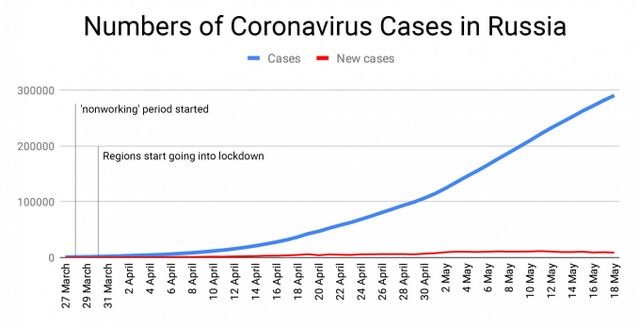
Putin announced the end of lockdown measures under conditions of a steep rise in cases to over 10,000 per day, the single fastest rise in all of Europe. Over the past week Russia became the country with the second highest number of cases in the world after the US, with over 290,000 confirmed cases and 2,722 deaths.
Number of coronavirus cases in Russia
The virus has spread to the highest levels of the state, with several cabinet ministers, including the new prime minister, Mikhail Mishustin, falling ill with COVID-19. The virus has also spread very widely in monasteries and among leaders of the Russian Orthodox Church, which has close ties to the Kremlin and which for weeks defied orders to shut down public gatherings.
Images of exploding ventilators that have killed COVID-19 patients, and doctors falling out of hospital windows have shocked workers around the world.
Under these conditions, the reopening of the economy is a measure that is as criminal as it is desperate. In response to the coronavirus crisis, the Kremlin has no solution to offer that would in any way correspond to the interests of the vast majority of the population.
Even mass media that are loyal to the Kremlin have expressed doubt about the decision. In an editorial from May 13, the Nezavisimaya Gazeta warned cautiously that “weakening the quarantine is filled with new risks,” and that “so far, there is a lack of evidence for any clear positive results from the end of quarantine measures.”
The paltry social measures that Putin announced have an entirely decorative character. They are mostly designed for families with children, 80 percent of which are living in poverty in Russia. However, these measures will do nothing to substantially change the conditions of the majority of the population under conditions of rapid immiseration and a sharp rise in unemployment.
About 25 percent of all workers have lost either their jobs or parts of their income. Under these conditions, according to Svetlana Misikhina from the Moscow Higher School of Economics, the measures by the government will “give citizens only 10 percent of lost income.”
As for support of the economy, in all the measures announced by the government, which amount to about 2.8 percent of gross domestic product (about 3 trillion rubles, or $40 billion), the lion’s share will go to the largest companies, both private and public. This includes the major state-owned oil company Rosneft, whose head, Igor Sechin, has already requested help directly from the president and has received large-scale assistance in the form of reduced oil pumping rates and cheap bank loans.
Meanwhile, the government has demonstratively refused to “break the seal of the money box” of the National Welfare Fund (NWF), which had accumulated more than 12.8 trillion rubles ($165 billion), or 11.3 percent of GDP, as of April 1. The Kremlin oligarchy obviously regards it as its private slush fund, although theoretically anything in the NWF that exceeds 7 percent of GDP is to be spent on social assistance to citizens.
In an interview with the business newspaper Vedomosti from May 5, Finance Minister Anton Siluanov emphasized that all additional government expenses due to the pandemic will be paid for within the framework of existing budgetary resources.
These policies will significantly exacerbate the already staggering levels of social inequality in Russia. Even before the pandemic began, around 20 million people out of a population of 140 million were officially counted as “extremely poor.” Meanwhile, the combined wealth of the 10 richest Russians in 2019 was about $178.5 billion. The country’s top 1 percent controlled more than a third of total wealth.
The policies of the Russian oligarchy completely correspond to the deadly logic of the capitalist ruling classes of the entire world, which put the interests of the super-rich and corporate profits above the right of the working class to live. The World Socialist Web Site has aptly characterized this policy as one of “malign neglect.”
Even when the Russian government introduced the initial quarantine measures, declaring that workers would keep receiving their income, it did not explain how this would be realized. Moreover, the government refused to proclaim a state of emergency, which, by law, would have forced the government to compensate both individuals and institutions for financial losses suffered during the pandemic.
Instead, it introduced the completely new term of “state of heightened readiness.” This legal innovation was pushed through the State Duma (parliament) in three readings in just one day. In practice, this has been a regime of “social distancing,” with people staying at home “voluntarily.” At the same time, the powers of regional authorities and police controls have been significantly expanded and put on a par with those existing under a state of emergency.
None of this was an accidental improvisation. In March, the Kremlin was confronted with what some commentators have called a “perfect storm state of heightened readiness.” In addition to the growing pandemic, there was a massive plunge in world oil prices. Oil exports, along with exports of gas and other raw material resources, account for no less than half of Russian GDP.
Another factor in the sharpening of the crisis was the so called “constitutional reform” that was introduced in mid-January in Putin’s State of the Nation address. The entire cabinet was overhauled to push for an unprecedented strengthening of the powers of the president.
Moreover, the Constitution is being turned into a prop for extreme right-wing conservative-nationalist values, which share much in common with those upheld by the fascist and authoritarian regimes of the 1930s. In a desperate effort to endow the changes with a veil of legitimacy, the Kremlin was preparing to hold a referendum on the changes on April 22. Now, the referendum will likely be held on June 24.
These political considerations no doubt played a part in the push to prematurely end the economic shutdown. In a video conference with regional governors on April 8, Putin said: “We cannot put a hold on the economy. … The conditions must now be created so that companies, organizations and entrepreneurs can return to their usual work schedule.”
As a result, already by April 10 hundreds of factories resumed work in Moscow and other regions, many of which were by no means “essential.” This has been a major contributing factor in the rapid spread of the pandemic in Russia in recent weeks. It was precisely in the period between mid-April and now that the number of confirmed COVID-19 cases grew 10-fold and most of the recorded deaths occurred.
In a particularly stark example of the cynical attitude of government officials toward the lives of the working population, Igor Artamonov, governor of the Lipetsk Region, advised his subordinates in a meeting in April to use chemicals deployed against ticks to disperse people on the streets, in the name of observing “social distancing.”
The complete indifference to the safety and lives of the working population has taken especially sharp forms in the relation to medical workers. The months of April and May have been filled with an unending stream of news about their working conditions: there is a staggering lack of personal protective equipment (PPE), and workers are being massively underpaid. There have also been gross mistakes with efforts to rapidly reorient hospitals toward treating COVID-19 patients, resulting in many cases where infected patients were put together with as yet non-infected patients.
Coming after decades of devastating cuts in health care, this has created conditions where hospitals have become the main sites of infections in the country. On May 13, the minister of health, Mikhail Murashko, declared before the State Duma that there are 400 focal points of the virus in hospitals, leaving patients afraid to come to them. The number of medical workers who have died from COVID-19 in Russia is one of the highest in the world. A memorial page for deceased medical workers lists 222 names as of May 17.
Under these conditions, Putin’s statement in his speech on May 11—“We have chosen the path of saving people’s lives and health, and together we have already achieved a lot, done a lot and overcome a lot”—can be understood only as a deliberate and cynical mockery of the truth.
The policy of malign neglect by the government has provoked an initial upsurge in opposition from the working class. Most significantly, Gazprom workers at the Chayanda oil and gas condensate field in Yakutia, northern Russia, protested their horrifying working conditions amid the spread of the virus in late April. Out of the 10,500 workers on the field, about a third have been infected with the virus. It took the open protests to force management to begin evacuating the field.
The reemergence of the class struggle on an international level and in Russia itself is the first stage in the development of a unified international struggle of the workers of all countries against the profit system. The struggle for the rights, health and life of the working class amidst the pandemic is indissolubly connected to the fight against the capitalist system. However, this struggle raises fundamental questions of political and historical perspective.
The catastrophic social and health impact of the pandemic is a direct result of the restoration of capitalism in the late 1980s and early 1990s. If ventilators explode and hospitals are literally crumbling, it is the result not so much of the virus, but of the dissolution of the USSR by the Stalinist bureaucracy and the decades of austerity that followed under the new oligarchy.
The Russian oligarchy fears nothing more than that the emerging opposition in the Russian and international working class will be imbued with the political programme of socialist internationalism, based on the lessons of the struggle of the Trotskyist movement against Stalinism. It is for this reason that it has initiated a major state campaign to slander Leon Trotsky, the co-leader with Vladimir Lenin of the October Revolution and the main opponent of Stalin, and is cracking down on all efforts to research the crimes of Stalinism. We urge our readers in Russia and the former Soviet Union to contact us to discuss these questions, and purchase and study the book In Defense of Leon Trotsky.

Millions of Americans, including front-line workers’ families, face loss of employer-sponsored health insurance in pandemic

Alex Johnson

Loss of health insurance is becoming a more and more frequent occurrence in the US as the total number of jobless claims has skyrocketed in recent weeks. Even as coronavirus infection rates accelerate rapidly in many areas of the US and federal and state officials drop efforts to contain the spread of the disease, millions of households are being left vulnerable to sickness due to the elimination of health coverage from employment.
In a particularly cruel development, the families of health care workers, first responders and other workers deemed essential who have died from COVID-19 now face the prospect of losing their health coverage due to the cut-off of their loved ones’ employer-sponsored insurance (ESI). In New York City, at least 260 municipal employees have been killed by the coronavirus. Mayor Bill de Blasio announced on May 10 the city would cover the health care premiums for families of city’s civil servants who have died from COVID-19 for only a pitiful 45 days.
Despite the horrific death toll due to COVID-19 in public sector occupations, local and state governments are rationing health care treatment and coverage to surviving spouses and children due to the fiscal crises erupting in the states that have felt the greatest economic pressures due to business closures. Families of deceased front-line workers are being compelled to prove that their contraction of COVID-19 was work-related. However, this process is severely undermined by the chronic lack of testing and contact-tracing throughout the country.
In a recent Kaiser Family Foundation (KFF) analysis, researchers found that tens of millions are projected to have lost their health insurance coverage through their ESI plans from March 1—which generally marked the beginning of the pandemic’s rampage—to May 2. The report also paints a disturbing picture of the millions of households that have seen significant portions of their income disappear as a result of layoffs and furloughs.
Between March 1 and May 2, it is estimated that nearly 78 million Americans lived in a family where at least one person lost employment. Within these families themselves, 61 percent, or some 47 million people, were covered by ESI prior to losing their jobs. Nearly 27 million people are estimated to have potentially lost their ESI over the course of the pandemic.
Most of the states where people are especially vulnerable to losing their job’s insurance coverage are some of the largest states in the country, some of which have been major hotspots for the pandemic’s spread. Just eight states, which include Florida, New York, Georgia, Michigan, and California, account for almost half (49 percent) of all people who are losing ESI benefits.
Significantly, a large number of those losing ESI coverage are children. Nearly 7 million children are expected to lose ESI benefits either through their parent or other household guardian’s income, paving the way for a tremendous increase in illness. The danger of potentially untreated medical problems in children is all the more alarming given the recent discovery of a link between coronavirus, which was previously thought to be less dangerous for children, and a rare syndrome connected to Kawasaki disease, which has led to severe fevers, rash, and cardiovascular conditions in dozens of children and infants, leading to a number of deaths.
This staggering loss of health insurance is being compounded by the Trump administration’s refusal to reopen the federal marketplace enrollee program under the Affordable Care Act, which typically allocates only certain periods within the year for the population to find new health insurance.
The ramifications for the decline in health insurance coverage will be felt in particular for people directly who are affected by COVID-19 and have fallen ill. Many Americans who visited hospitals to seek treatment after testing positive or entering emergency rooms for symptoms are now facing heavy medical bills. Just for being admitted to a hospital’s ER unit for a few hours or a day could result in a medical bill somewhere in the thousand-dollar range and can drive an already laid-off or socially dislocated individual or family into financial ruin.
An article by CBSNews described one person was forced to seek emergency room treatment after she experienced trouble breathing and suspicions of having contracted COVID-19. Despite feeling severe pain in her lungs, she did not receive a test and was sent home after being stabilized by ER staff. Weeks later, she received a bill of nearly $1,900 for coinsurance charges and co-pay prescription costs.
Even determining what’s actually covered through insurance plans for COVID-19 patients and the extent to which out-of-pocket health care costs are factored in remains a mystery for those infected. Many in the medical profession have expressed opposition to the patchwork and generally ineffective guidelines put in place by the government and health officials to determine costs during the pandemic.
Karen Pollitz, a senior fellow at KFF, told CBSNews, “I wish there were a federal law that said it was illegal to give a bill to a patient during all this.” Costs for patients that have been hospitalized for the virus have reached up to $20,000 per person, while some have even reported paying on average $1,300 in out-of-pocket costs, according to the analysis released by KFF. Patients that aren’t even hospitalized still face medical bills for outpatient treatments, testing, and emergency room admissions.
Fear of incurring unsustainable medical bills is also a significant deterrent for people who are potentially sick with COVID-19 but refuse to seek hospital treatment because of high costs. This has undoubtedly contributed to rising deaths in residential homes of untested individuals.
Due to the haphazard and broken nature of America’s for-profit health care system, millions of families in the United States have health coverage that is often totally dependent on one adult’s job. Certain coverage is also allowed to abruptly end when one’s spouse or parent dies while working. Katherine Hempstead, a Robert Wood Johnson Foundation (RWJF) senior policy analyst, told the Guardian earlier this month that the pandemic “exposes a lot of the inadequacies in our system.” She added that health care is arbitrarily “tied to employment for no real reason.”
According to RWJF and the Urban Institute, of the Americans that have lost insurance due to layoffs or furloughs, an estimated that 7 million will remain uninsured and unable to access health care through Medicaid or COBRA. COBRA allows individuals who lose their jobs to continue to pay for the insurance coverage they previously received from their employer at the cost the employer was paying. However, these costs are steep, making COBRA out of reach for the vast majority of unemployed and their families. The alternative is to pay hundreds of dollars per month for individual coverage, which would send most Americans into bankruptcy.
In another piece in the Guardian, Dr. Adam Gaffney, the president of Physicians for a National Health Program, said America’s for-profit healthcare system “was not built to withstand the combined impact of a pandemic and a recession.” He expressed the widespread consensus of public health advocates that “it’s inevitable that people will die because they can’t get the care they need, because of the looming recession.”
A study released by Gallup last month revealed that one out of every seven adults indicated that they would avoid seeking health care if they or their family members showed minimal symptoms of COVID-19, such as fever or dry cough, due to their worries over the inability to pay for treatment. When a question was framed explicitly to give the impression that they had been infected with the virus, 9 percent still reported that they would avoid care.
Access to health care is also difficult for large sections of the population. Among those that have decided to avoid care due to cost concerns, 6 percent of participants, an estimated 15 million people, reported that they or a relative had been denied care due to heavy patient volume brought on by the pandemic.
For those living in the Northeast region, 11 percent are more likely to report having been denied care. Significantly, this region includes New York, New Jersey and Massachusetts, which have been major epicenters of the coronavirus outbreak.
The spread of the coronavirus and the unfathomable death toll accompanying it has only intensified a health care crisis that was already felt by tens of millions of Americans before the pandemic. A study conducted by Gallup and West Health found that more than 13 percent of American adults, an estimated 34 million people, reported that they knew at least one friend or family member who died in the past five years as a result of not receiving urgent medical care because they were unable to afford it.
The study also found that before the pandemic a rising percentage of adults had been unable to put together enough money over the past 12 months to “pay for needed medicine or drugs that a doctor prescribed” to them. This percentage increased significantly in 2019, from 18 percent in January to near 23 percent by September. Taken together, 22.9 percent represents 58 million adults who experienced some severe level of medical insecurity.
Private insurance corporations are already formulating plans to exploit the pandemic to raise costs for existing plans and pursue their predatory profit interests. In an analysis released last month by Covered California, the health insurance marketplace of the state, insurers are expected to raise premiums by as much as 40 percent to make up for the revenue lost for coronavirus testing and treatments.
Moreover, if the pandemic stretches into next year, which seems highly likely given the universal absence of any systematic program to contain the virus’s spread, insurers are projected to demand even higher premiums for that fiscal year to compensate for hundreds of billions of coronavirus-related health care costs.

US health care system devastated by COVID-19 as the markets clamor to reopen the economy

Benjamin Mateus & Clara Weiss

The impact of the pandemic in the United States has been nothing short of cataclysmic. Last week more than 36 million American workers filed unemployment claims. According to the Bureau of Labor Statistics (BLS), the official national unemployment rate has reached almost 15 percent—the highest level since the Great Depression—even though the agency acknowledges that the incidence is much higher. The St. Louis Federal Reserve estimates that this could rise to 47 million by the end of the second quarter. An estimated 40 million people are expected to lose health insurance. Over 91,000 people in the United States have died from COVID-19.
Cover Healthcare workers
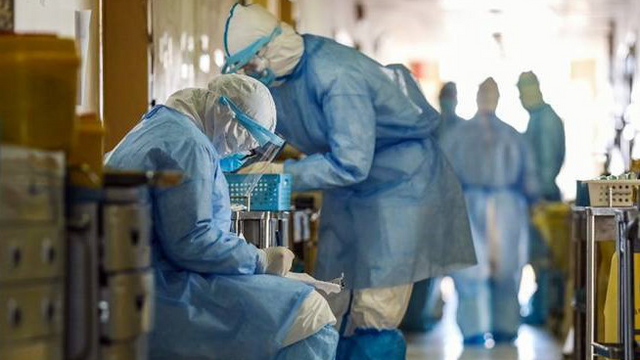
Having pumped trillions of dollars into Wall Street, the Trump administration and states are pushing to “reopen” the economy under unsafe conditions. With its pursuit of the policy of “herd immunity” in defiance of all recommendations by scientists, the ruling class is preparing the conditions for a health and social disaster that will even outstrip the devastating impact of the first wave of the pandemic. Workers will not only return to work under conditions that are completely unsafe, those who will fall sick from the virus in the coming months will also be confronted with a health care system that has been pushed to the brink of financial collapse by the pandemic, and which will be even more severely understaffed than in the first months of the pandemic.
Whatever medical expertise and knowledge that has been gained in the first months of the pandemic about how best to treat patients that are ill with COVID-19, threaten to be completely undermined by a class policy that is oriented entirely toward safeguarding the profits of corporations at the expense of the lives of workers.
Reports indicate that health care workers, even though they have been on the frontline of the fight against the coronavirus, are one sector of the workforce that has been hardest hit by the mass layoffs. Just when health care workers are most needed in assisting in measures to contain the outbreaks throughout the country from every conceivable aspect, the system sees them as a drain on their rapidly diminishing revenues due to cancellation of lucrative elective surgeries and declines in emergency room visits and outpatient services.
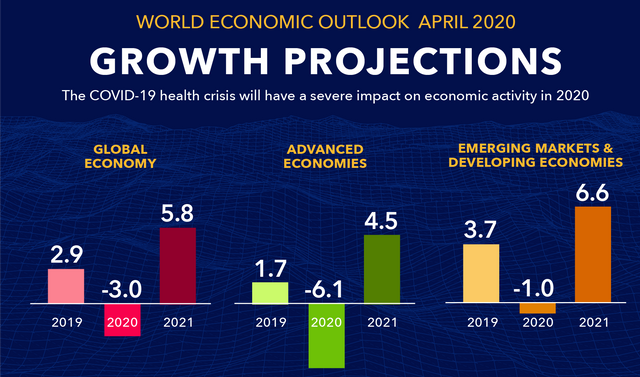
Fig 1 IMF World Economic Outlook Growth Projections
According to National Data-National Income and Product Accounts, the first quarter of 2020 saw the US Global Domestic Product shrink 4.8 percent. Health care expenditures have declined an astonishing 18 percent, some of the worst being in rural sectors where the anemic health infrastructure has been placed on standby facing massive revenue shortfalls and insolvency. According to Ryan Kelly, executive director of Mississippi and Alabama Rural Health Associations, “facilities are just bleeding through cash right now. They’re just dying on the vine, and it opens up the question of who’s going to treat these patients when they close.”
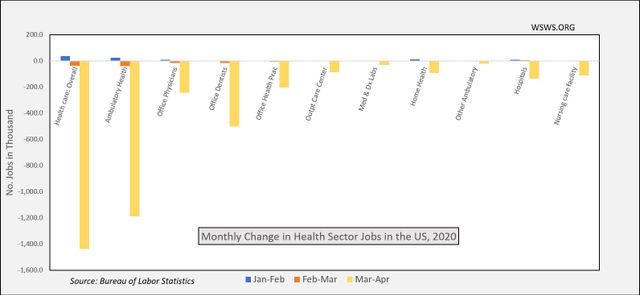
The Bureau of Labor Statistics places the number of health care positions lost since January 2020 at 1.436 million, an 8.7 percent decline. Hospitals have shed 121,000 jobs, a drop of 2.3 percent. Ambulatory health care services have shed 1.2 million jobs, 15.4 percent. Offices of dentists have let go of 519,000 jobs, which account for 53.2 percent of their workforce. Physicians’ offices have cut 249,000 positions, a 9.2 percent decline. Additional sectors impacted by job losses include nursing homes, mental health institutions and community-based residential care facilities.
There have been several reports of traveling nurses that were terminated after going to centers of the crisis in New York City to help overcome a desperate shortage of staff at the peak of the pandemic.
Becker’s Hospital Review states that 256 hospitals and hospital systems around the country have furloughed tens of thousands of employees. In one survey, 21 percent of physicians indicated that they either had been laid off or forced to take cuts in pay and bonuses since the beginning of the pandemic. For doctors, bonuses can amount to up to 50 percent of their total compensation. Emergency department doctors have been reported to be forced to take pay cuts of up to 40 percent.
Fig 2 Monthly Change
According to a report in Medscape from April, many doctors have been either put on pure production, meaning that they are still technically employed but do not get compensated and do not work. Others have been forced to use their sick time off and graduating residents have been told that the start dates for their new jobs are being delayed. Considering the extremely difficult and stressful working conditions, and the low pay, a growing number of physicians and nurses are considering quitting their jobs.
In a particularly stark manifestation of the fact that the response to the pandemic by the ruling class has been entirely determined by profit interests, closures are also being prepared in New York, which for months was the epicenter of the worldwide pandemic. The very public hospitals in working-class communities that have been most heavily impacted by the COVID-19 pandemic are now under threat of having to close their doors. The social and economic trauma of the massive COVID-19 outbreak threatens the state’s 29 non-profit safety-net hospitals that are in minority and low-income neighborhoods, which treat patients regardless of their ability to pay.
Hospitals like Brooklyn Hospital Center and St. Barnabas in the Bronx have just resumed scheduling the much-needed operative cases that had been pushed back for several weeks. Yet, hospital administrators admit that this lost revenue will be impossible to reclaim. Gary Terrinoni, CEO of the Brooklyn Hospital Center, said in an interview with Politico, “We’re going to need close to $100 million between now and the next three or four months.” Otherwise, the hospital might have to close. Around 70 percent of its patients are on Medicaid or Medicare or are uninsured.
The hospital closures of the past decades have already been a significant factor in driving up the death toll of the first wave of the pandemic. Over the past two decades, 16 hospitals were closed in New York City alone, eliminating 22,000 hospital beds which were desperately needed at the peak of the pandemic in New York in March–April.
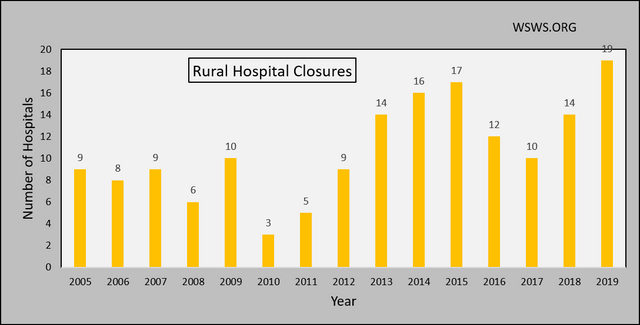
Fig 3 Rural Hospital Closures
In rural areas, the situation is particularly dire. According to the University of North Carolina Sheps Center for Health Services Research, at least 130 rural hospitals have closed across the US in the last 10 years. Most closures took place in states where lawmakers countered Medicaid expansion. Texas saw 20 hospitals closed, Tennessee lost 13 hospitals, nine were closed in Oklahoma and seven in the state of Georgia. 2019 had seen the highest list of closures; in the first four months of 2020 there have been 12 hospital closures. A USA Today study found that nearly 600 US rural counties without hospitals have at least one reported COVID-19 case. These counties have seen more than 15,000 COVID-related deaths.
Given the crumbling health infrastructure, with governors and local governments pushing to open their communities to economic activities and, all the while, new cases confirmed growing at faster rates in rural and non-metropolitan areas, these make ready conditions for a perfect storm.
Alan Morgan, the CEO of the National Rural Health Association, told the Ottawa Herald, “I don’t see a path forward that doesn’t play out horribly in rural communities.”
The rationale for these mass layoffs and impending closures, which are completely irrational from the standpoint of the social and medical needs of the population amidst a pandemic, lies in the subordination of health care to the principles of private profit. With hospitals functioning as quasi companies that are predominately dependent on the profits they derive from lucrative surgeries and procedures to remain solvent, the pandemic pushed many hospitals to the brink of total collapse as they prepared for the surge.
Many hospitals in the US operate on razor-thin margins. A study conducted by the Congressional Budget Office in 2016 found that approximately 23 percent of all hospitals were working with negative margins. They projected that by 2025, if they can achieve the same productivity as the economy, the share of hospitals with negative margins would rise to 40 percent. And if they did not, that could climb to as much as 60 percent.
On March 18, the Centers for Medicare and Medicaid Services (CMS) announced that all elective surgeries, nonessential medical, surgical and dental procedures be delayed during the COVID-19 outbreak. In the effort to increase personal and public safety while conserving personal protective equipment (PPE), hospitals moved to cancel nonemergency procedures while having foregone treatment with primary care and subspecialty providers.
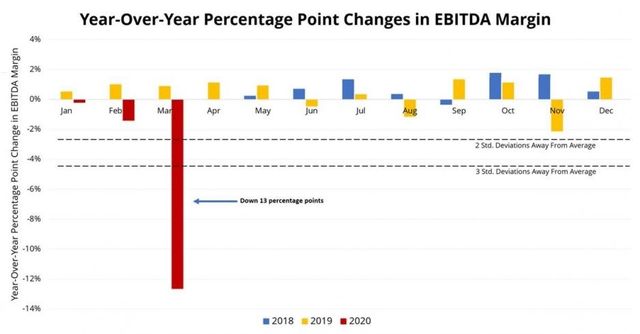
According to the Kaufman Hall National Hospital Flash Report Summary from April 2020, “Hospitals’ median Operating EBITDA Margins fell more than 100 percent in March, dropping a full 13 percentage points relative to last year, bringing the median margin into negative territory.” The term EBITDA margin is a measure of a company’s operating profit as a percentage of its revenue. The acronym stands for earnings before interest, taxes, depreciation, and amortization. Knowing the EBITDA margin allows for a comparison of one company’s performance with others in the same industry.
Fig 4 EBITDA
Hospital-based revenues made by lucrative and profitable procedures such as joint replacements and elective cardiac surgeries tend to balance the losses from many acute care services. One measure of operating room productivity is time, and this was down 20 percent compared to the same period last year.
Hospital occupancy dropped dramatically as hospitals across the country prepared for a surge in coronavirus infections. The median occupancy rate declined from 65 percent to 53 percent, year over year. The number of discharges decreased by 11 percent, and adjusted patient days in the hospital fell by 15 percent. Emergency room visits declined by 15 percent in the same period last year. At the same time, charity care and “bad debt” rose 13 percent year over year, a trend that hospital administrators believe will accelerate in the next few months with skyrocketing unemployment and concomitant loss of health insurance.
Hospital expenses have taken a toll, with total expense per adjusted discharge jumping 18 percent. The smallest hospitals were affected most by these factors, with supply costs jumping 40 percent year over year. Drug expenses jumped 30 percent across all hospitals.
The pandemic has also seen sharp increases in costs for caring for patients with COVID-19. Kaiser Family Foundation has estimated that the cost of treating a patient with COVID-19 will range from $20,000 to close to $90,000 if they need intensive care unit stay and ventilator support. FAIR Health estimated the average cost with commercial coverage at $38,221.
The coming months will only see a further escalation of this dynamic. A recent analysis by the American Hospital Association (AHA) noted that “hospitals and health systems face unprecedented and catastrophic financial pressure due to COVID-19,” The AHA found that the number of people employed in US hospitals in 2019 stood at 7.425 million. Health care accounted for 18 percent of the United States’ GDP. The estimate of the impact over four months from March to June 2020 from the COVID-19 pandemic is $202.6 billion.
According to the AHA, the net financial impact of COVID-19 on hospitalization over four months, from March to June 2020, for the nation’s hospitals and health systems will collectively see a loss of $36.6 billion, including payments for COVID-19 patients. Non-federal hospitals stand to lose $161.4 billion in canceled hospital services, including elective surgeries, outpatient treatments and reduced emergency department services.
The additional costs of purchasing needed PPE in these four months are estimated at $600 million per month. The additional costs of supporting frontline workers in COVID-19 hotspots are expected to be $2.2 billion. These include the cost of childcare, housing, transportation and medical screening.
The AHA study does note that their model certainly is underestimating costs and the real financial impact on the collective health system. The pandemic has led to sharp declines in drug manufacturing, delay caused by fractured supply chains, further complicated by an increase in demands, which has translated to higher costs for hospitals.
Wage and labor costs have risen for hospitals and health care systems facing the brunt of the pandemic. With surge volumes inundating hospitals in severe outbreak zones and health care workers becoming sick, hospitals have implemented bonus pay for frontline workers. Staffing firms have raised their prices to send workers to assist in these efforts. Counter to this, many hospitals in sectors of the country where the outbreak remains small are facing unproductive labor costs due to cutbacks in services, creating a redundant and costly workforce.
Additionally, in preparation hospitals purchased expensive equipment. They have also expanded their treatment capacity or set up additional spaces and ICU beds, which drive capital costs.
Amid all of this of mass death and social devastation, insurance companies have, in fact, profited from the pandemic. Credit agency Moody has noted, “US health insurers will nonetheless remain profitable under the most likely [pandemic] scenarios.” They estimate that cancellation of necessary but elective surgeries and the unwillingness of patients to subject themselves to risks of infection have led to 20 to 40 percent in savings on medical costs per month.
In an article published in FierceHealthcare, David Wichmann, CEO of UnitedHealth Group, explained to analysts that cost reductions were surpassing COVID-19 expenses and that revenue is up compared with 2019. The expectation is that the rest of the year’s earnings will meet projections. Wendell Potter, a former Cigna executive turned industry critic, tweeted that UnitedHealth had spent $1.7 billion in the first quarter in stock buybacks. Tim Nimmer, the chief global actuary at Aon, explained to Reuters that health care use has declined by about 30 to 40 percent when COVID-19 patients are excluded. “For each month that this goes on, we are expecting about 1.5 to 2 percent in annual costs to be reduced.”
These developments underscore the rapacious nature of capitalism that sees in these horrific times opportunities to extract even more profits while the talent and skills of millions of people are squandered for immediate cost-saving measures, which threaten to lead to the preventable death of tens of thousands more people.