2 Jun 2020

A Superpower In Chaos

Chandra Muzaffar

Minneapolis could not have happened at a worse time for the US elites. While violence perpetrated against African Americans by White police officers has happened a number of times before, its occurrence right in the midst of a huge health emergency that has already claimed more than a 100,000 lives and a related massive economic disaster that has robbed 30 million people of their jobs, is truly unprecedented. The mayhem and chaos accompanying the violence have spread to a number of other cities right across the United States of America.
What has sparked outrage among thousands of Americans (and not just those of African descent) was the way in which an unarmed Black civilian, George Floyd, suspected of using a counterfeit banknote was killed by a White police officer. The officer had pressed his knee on Floyd’s neck for 5 to 9 minutes forcing him to plead that he could not breathe until he went silent and limp. The officer has now been charged with third degree murder though a lot of the protesters are demanding that three other police personnel who were with him at the time of the incident should also be punished.
If there is a lot of anger among thinking, caring Americans about the Floyd incident, it is mainly because they know that discrimination against African Americans is still pervasive and is a manifestation of the larger marginalisation of the community. True, through education there has been some mobility for groups within this minority especially in the decades following the civil rights movement but large segments remain trapped at the bottom of the heap.  The current economic devastation has underscored the vulnerability of these segments just as the coronavirus pandemic has also revealed how the poor and disadvantaged in the US and elsewhere are more likely to be the victims of the scourge than others.
That the US is not really able to protect the well-being of the poorer and weaker segments of society is obvious when we look at the situation of yet another minority, the Hispanics. In the last few decades their economic and social burdens have been exacerbated by an irrational fear of their alleged demographic challenge to the White majority. This fear was exploited successfully by candidate Donald Trump in the 2016 presidential election as it will be manipulated again in the forthcoming November 2020 election through issues such as building a wall to protect the US’s southern border.
There is a third minority, better positioned than the first two, which is also the object of racist attacks from time to time. Broadly classified informally as ‘Asians,’ they are often equated with Americans of Chinese origin. Since the coronavirus crisis and president Trump’s attempt to pin the blame upon China, the harassment of Chinese and Chinese looking Americans has escalated. Indeed, verbal and even physical abuse of members of the community has been going on for a while given the constant negative targeting of China by some US elites on a variety of issues ranging from trade and technology to alleged human rights violations and suppression of minorities. Though independent research has shown that there is a great deal of distortion and exaggeration in these allegations, they appear to have impacted upon ordinary Americans through community and social media.
Why China is subjected to such vile treatment, it is not difficult to understand. The US elites and a section of the media see the ascendancy of China as a challenge to US dominance and control of the planet, or US hegemony, and are therefore determined to tarnish and subvert China. Other countries which are independent-minded and unwilling to submit meekly to US power are also often targeted. Sometimes, prejudice against a particular religion or specific ethnic communities — this is true of the prevailing attitude of certain segments of American society towards Islam and Muslims — tends to warp inter-community relations.
The US pursuit of global hegemony has affected adversely the rights and interests of millions of Americans in a number of ways. By spending so much on the military — in 2019 it was 732 billion US dollars — and maintaining some 800 military bases encircling the world, the US has sacrificed the essential needs of its people such as well-equipped hospitals and schools. Gross neglect of the economic and social rights of the people has emerged as a tragic reality for everyone to witness when the nation is confronted by a twin health and economic crisis of gigantic proportions.
Indeed, given its wealth, the US failure to enhance the rights of millions of its citizens including the underclass within the White majority is simply criminal.  In the domestic arena, as in international politics, it is the height of hypocrisy of the US political elite to present itself as a champion of human rights and democratic rule. In fact, on a number of occasions in international politics —- Iran 1953; Chile 1973; Palestine 2006; and Egypt 2013 —– the elite had directly and obliquely participated in the suppression of democratic principles.
Today, through the two crises that have overwhelmed the superpower and the righteous anger vented in the streets of the nation by ordinary citizens of all shades —- anger that stems from centuries of contempt and scorn heaped upon a people —- the truth about the elites’ lack of respect for human rights and human dignity is exposed for all to see. Will this lead to some sincere soul-searching especially among young Americans?

Challenges in Seeking Health Care amidst COVID 19 Pandemic: Experiences of Cancer Patients

Akhter Hussain Bhat &  Noorain Batool Khan

The novel coronavirus disease (COVID-19) has become a worldwide threat and a major healthcare concern. Since its outbreak in China, the virus has so far affected more than 5.72 million people with over 3.56 lakh deaths globally causing widespread concern, fear, anxiety and stress. Owing to the severe infectious nature of the virus, the World Health Organization (WHO) in March 2020, declared the outbreak as a pandemic and a public health emergency of international concern. As the medical fraternity around the world is yet to find a proper cure for the infection, the primary interventions that the countries worldwide have adopted are significant public health measures, less social exposure, social distancing and national lockdowns. The virus that emerged only months ago has forced sudden and dramatic changes throughout the medical world. Health care and other associated social care including community medicine have been redirected to manage COVID-19 outbreak. Consequently, many clinical including oncology services have been relegated to second priority. Annual checkups, routine surgeries and even normal services have been cut back or canceled to minimize exposure to the virus. This in turn has posed major challenges for people suffering from various morbidities. The challenges are even greater for people who are grappling from cancer and are more susceptible than others. According to a study from China, cancer seems to have comparable associations with an increased risk of death from the virus to those of other comorbidities, such as chronic respiratory disease, tuberculosis, and hypertension (Liang et al, 2020). This article is an attempt to highlight the challenges faced by the cancer patients in seeking health care amidst the pandemic of COVID 19. But before that as a prelude, a brief talk about the health seeking behavior, as the utilization of health care or in other words seeking health care is broadly situated within the concept of health seeking behavior.
Health seeking behavior (HSB) has been defined as any action undertaken by individuals who perceive themselves to have a health problem for the purpose of an appropriate remedy (Oberoi et al, 2016; Latunji et al, 2018). Health seeking behavior is situated within the broader concept of health behavior which encompasses activities undertaken to maintain good health, prevent illness, as well as dealing with any departure from a good state of health (MacKian, 2003). Health care seeking behavior is categorized as formal (help sought from health professionals), informal relational (friends or family), and informal personal (self-help). According to Musoke et al (2014), the health seeking behavior of a community determines how health services are used and in turn the health outcomes of populations. Health seeking behavior is influenced by different factors or in other word there are various determinants in the form of physical, socio-cultural, political, environmental, socio-demographic, gender, knowledge about the facilities and even the health care system itself. It is regulated by the individual himself and family habits, norms that exist in a society, expectations and characteristics and availability of health services (Musoke et al, 2014). Among the factors mentioned, the availability of health services or facilities, access to these services, quality of services, utilization of the health care system are considered the major determinants of the HSB and accordingly the quality of the health standards of the people.
As the pandemic of COVID 19 has disrupted the whole social life, health care services to patients suffering from cancer are no exception. The foremost challenge facing cancer patients is the inability to receive necessary medical services both in terms of getting to hospital and receiving normal medical care once there. Lack of adequate health care infrastructure and human resources, serious supply-chain disruptions, and widespread fear among patients and health care workers have resulted in patient care and safety being compromised. Several cancer centers drastically scaled back their services after preliminary reports from China showed that Covid-19 outcomes are significantly worse among patients with cancer.
Due to the measures adopted by world governments’ to prevent the spread of the infection, cancer patients face major encounters. They cannot travel from one place to another and get the timely treatment. This has resulted in many untoward incidents to occur like the recent one in Kolkata, West Bengal where a two year old girl died because of the reason for not getting the timely treatment. The child had undergone tumor surgery in her stomach in last December at the state run Calcutta Medical College. Amidst the lockdown, her condition deteriorated and the family took her to at least four hospitals but to no avail. “Everywhere we went, we were turned away,” the father of the toddler is reported to have said who is a cycle van driver. Unable to get treatment the child lost her battle against the deadly disease. ‘Had the outbreak not occurred our daughter would have been alive today’¸ the parents are reported to have said (India Today). The death of the child will not figure in the list of COVID-19 casualties as she was not suffering from any covid related infection. Instead, the non-availability and also inaccess to the health care services lead to the otherwise avoidable incident to occur.
The joblessness of the daily paid workers caused due to complete lockdown is adding to the further challenges to seek timely health care for the cancer patients. Here the case of a toddler suffering from blood cancer can be cited as a reference which we have taken from the ketto.org website which is an online crowdfunding platform that supports the treatment of various poor and needy patients. The child named Kritika is reported to be suffering from blood cancer since December, 2019 for which initially doctors have advised high doses of chemotherapy with no positive results instead it caused further health related complications. According to the doctors the only thing that can make her get rid of cancer is a bone marrow transplant. However, her father (Rajkumar) cannot afford the treatment that costs a whopping amount of Rs 2100000. Rajkumar earns his livelihood working as a taxi driver but due to continued lockdown he is unable to earn though he has borrowed some money from everyone he knows which further aggravates his situation. “Cancer will take away my daughter if I don’t get the required amount. I have absolutely no income. I don’t even know how I will provide for my family in the coming days. Everything is so uncertain and I am helpless. I can’t do anything”, the father is reported to have said. The poor parents are trying hard to save their child, but now they have no option than to helplessly watch her suffer. The case referred to here, exemplifies the challenges faced by cancer patients in accessing the health care due to the negative impacts caused by the pandemic on the socio-economic conditions of the people.
Many patients with cancer are struggling to receive treatment due to hospitals canceling or delaying surgeries and other procedures. The non-availability of timely services and their utilization has negatively impacted upon the mental health of the people suffering from cancer. For cancer patients, stress is more disturbing than the cancer itself says Dr Shankar-a Delhi based oncologist. He further says that in this situation, it is very difficult to manage these people as they are unable to come to the hospital. The cancer specialist remarked that it is a dilemma for healthcare professionals as well as patients because there is an issue regarding what to follow and what not to. Even educating patients with cancer about the various aspects of COVID‑19 infection is more difficult because patients have their own illnesses and symptoms to worry about, say a group of leading oncologists at Tata Memorial Center- the oldest and the largest comprehensive cancer center in India. Further for a cancer patient, nothing, not even the danger of contracting COVID-19, is more worrisome than that of compromising their cancer care, say the experts at the center. There is also concern that patients who are otherwise healthy and have curable cancers have unfortunately concluded that the risk of contracting COVID-19 may outweigh the benefits of cancer treatment (Cannistra et al, 2020; Uzzo et al, 2020). Due to the current crisis of the pandemic with people fearing hospital visits aided by delayed diagnosis can lead to stage migration say from stage 1 and 2 to stage 3 and 4 which can become incurable sometimes, says Dr Bhawna Sirohi, director of medical oncology at Max healthcare.
There is no denying the fact that the coronavirus pandemic is potentially the greatest public health crisis. This crisis has brought unprecedented challenges before world governments. But a crisis is no excuse to focus all of one’s efforts on one disease at the expense of others. Though there are some reports of cancer cases been treated at some hospitals like the one in the live mint e-paper (May 17, 2020) of the 20 cancer-cum-corona patients who were successfully cured of the infection at city based Rajiv Gandhi Hospital in Chennai but, at the larger level the situation is not that much better. Considering the serious medical and emotional needs of patients, the governments need to issue scientifically drafted patient centric guidelines about managing cancer patients and handling their care against the backdrop of the COVID-19 outbreak. Healthcare providers on their part must remain committed to providing cancer patients the information about appropriate medical care, practice modifications and treatment programs. The COVID-19 pandemic needs to be managed, but not at the expense of lives and sufferings of cancer patients. Cancer, like coronavirus does not respect national borders, neither should we.

Corona And Environment: A Lesson To Learn

Harsh Khanchandani

Introduction
Birds are chirping, highways have quieted, rush hour traffic follows easily, airports have been shut down, smog has disappeared, reviving sunny and blue skies. COVID-19 has left this earth with dramatic drops in air pollution and a hope to solve the climate crisis by putting a halt to several harmful practices. It has drastically changed life on a global scale. Looking on the other side of the coin, it can be called an invisible menace which has caused an incalculable human and economic destruction. But there is an important lesson to be learned from this pandemic.
Impact on environment
Talking about the positive impact of the pandemic, greenhouse gas emission which is a primary contributor to global warming has seen a decline due to decreasing travel and economic activity. International Energy Agency has estimated 2.6 billion metric tons of carbon dioxide emissions to never be emitted into the atmosphere. This may not be permanent but the rising trend of remote work can now help to accelerate lasting effects on cutting carbon emissions. Similarly, according to reports, China’s carbon emission fell by around 25 percent. Further, a 10 percent reduction in pollutant nitrogen dioxide per week was seen in Italy and a drop of 50% of carbon monoxide, mainly from cars was seen in New York. Apart from this a significant decrease in air pollution in many parts of the world has been one of the major impacts of the coronavirus outbreak. According to the Ministry of Ecology and Environment of China, the proportion of days with “good quality air” increased by 11.4% compared to the same period last year. A similar story is seen in India when residents of Jalandhar Punjab woke up to view Dhauladhar mountain range which is 213 km apart as a result of clean air. As we know India is home to 21 out of 30 worst polluted areas in the world, COVID-19 has helped us all to realize and expose the respiratory health crisis. As a result the period has denoted an unintentional but welcome breath of fresh air for the populated and polluted cities of the nation. It can be said that this pandemic is driving us towards the emission reduction target set by international climate agreements such as the Paris Agreement.
Impact on Biodiversity
Talking about wildlife, we have seen a stag scampering through Dehradunpuma being spotted at Santiago under lockdown and school of dolphins returning to marine drive. Coronavirus has truly resulted in a bunch of positives for planet Earth. As a result of lockdown, 475,000 endangered Olive Ridley sea turtles have come the coast of Odisha and laid their eggs. With fewer people crowding the water, a school of Oman cownose rays were spotted in Dubai marina. Nevertheless, while our species were in temporary retreat during the lockdowns, the gap was filled with wildlife.
Important takeaways for post COVID scenario
But the question that needs to be answered is could this temporary period be enough to combat environmental challenges? Certainly Not, but this pandemic can show us how the future can look with less air pollution, or it may simply demonstrate the magnitude of the challenge ahead. These days have altered our way of thinking. Substantially it taught us how lower levels of human activity could lead to greater visibility of the diverse array of species living in urban areas which often go unnoticed by the average human inhabitant. When aircraft begin to fly, factories and industries come back to life, pollution will eventually tend to pick up. As seen during the global economic crisis where global CO2 emission levels from fossil fuel oxidation and cement production fell by 1.4 percent to only rise to 5.9 percent in 2010. But this time, the crisis will result in a longer-term impact on the environment, at far greater cost to human health and security. We may certainly see countries after lockdown prioritizing economic development over environmental reforms. But it will be in our hands to learn from COVID-19 and live a better life in our ecosystem. Whether this pandemic is good or bad for the world ultimately depends not on the virus but on humanity.  At the very least, it should challenge governments and companies to consider how things can be handled differently after the pandemic, to hold on to temporary improvements in air quality and biodiversity. It is clear that this epidemic has given us a chance to regain a sense of humanity and learn from our mistakes to make this planet a better place to live. It has shown a deeper reflection on our relationship with the environment.
In essence, the lesson to learn from this is that once nations get to grips with the coronavirus, better enforcement of the environmental, transport, and industrial regulations should be made a priority to relieve the adverse impacts of human activity on the environment. To end this I would like to quote Lady Bird Johnson, a visionary environmentalist and former first lady of the US who once said: “The environment is where we all meet; where we all have a mutual interest; it is the one thing all of us share.”

Preparing For Natural Disasters Within A Pandemic

Shreya Urvashi

As I write this piece, rainfalls have started along the Konkan coast, and the India Meteorological Department (IMD) has issued a red alert and 33 National Disaster Response Force teams have been deployed in anticipation of Cyclone Nisarga to Mumbai and its neighbouring districts. Nisarga, coming just two weeks after Amphan, is expected to result in a severe cyclonic storm with a windfall of over 100 kilometres per hour.
Cyclone Amphan wreaked massive havoc in the eastern states of the country, and we are yet to recover from that disruption. Thus, another cyclone at this time, in the midst of the coronavirus pandemic which is rather intensified because of the migrant crisis, only a few weeks after the gas leak in Visakhapatnam, does not signal a good time for India. However, in the case of cyclones, India does not seem to have ignored lessons learnt from previous times. The Indian Meteorological Department’s alert systems are more accurate now, and precautions are taken. Nevertheless, as Amphan showed, it still led to a grim situation along the East coast for many days in the aftermath.
One of the most curious points about the formation of Nisarga is that the Arabian Sea has rarely seen such events. The Indian Eastern coast is much more prone to phenomena like cyclones and hurricanes, as has been proven several times. The geographical positioning of the Bay of Bengal further makes the states of West Bengal, Odisha, Jharkhand and Bihar along with the North-Eastern states extremely fragile and prone to harsh climatic events. Floods and cyclones annually lead to devastation in this season. Hence, the West needs to thoughtfully look at and learn from the post-Amphan situation to prepare for the coming days.
Cyclone Amphan, being one of the most destructive cyclones ever formed in the Bay of Bengal, left West Bengal and Odisha extraordinarily devastated this year. The Sunderbans took a major brunt as expected, but the trees could not stop the wrath from reaching till the city of Kolkata and many adjoining areas. At least 85 people are dead, and normal life is paralysed for thousands. The intensity of Amphan was anticipated, but it could not prevent the catastrophe. The warning and predicting systems of the country have massively improved and been extremely helpful. Steps were taken in accordance with it being a Category 5 storm. Evacuation was done, and backup power was arranged. Sturdy buildings were designated as shelters with at least a week’s supply of cooked food. Medical supplies were bolstered. Further, people were warned to stay far from the coasts. However, regular forecasting and the preparatory moves by National and State Disaster Response Force units could only help to an extent.
It is evident that it is the precarious lives led by a significant number of citizens in our country that leads to devastation and shock due to such disasters. People in West Bengal said that they have never seen anything like this before, and people in Maharashtra find themselves on similar grounds. Along with massive destruction to property, numerous power lines and communication towers were damaged by winds during Amphan that went up to 160 kilometres per hour. Amphan turned out to be especially significant because migrants working in other states had been returning to their villages in these states. Their income is already in a dire state, and this added loss is proving to be extremely harmful to them. The loss and damage of life and livelihoods are significant. Those affected by the storm, as well as the associated heavy rains, will need substantial help to pick up their lives again.
It is all the more tragic that the cyclones are striking at a time when COVID-19 is roiling India. With people crammed into makeshift camps, the threat of infections gets magnified. Adhering to hygienic practices, monitoring those requiring medical assistance and testing for the virus is going to be a humongous task for the authorities. The threat due to coronavirus still remains very real. But how are people who witnessed such horrifying scenes, and have little means to survive, be expected to follow distancing rules? The lockdown is posing problems in regions that are normal in terms of weather and climatic conditions. What should we expect in cyclone aftermath? It is probably not even possible to maintain the required distances in the makeshift shelters that have been arranged. People’s houses and livelihoods are flooded- maintaining hygiene and social distance is not on their minds at the moment. It might also end up leading to a spike in the number of COVID-19 cases.
With a vaccine, maybe we will know how to tackle the novel coronavirus, but we need to keep strengthening our institutions and response mechanisms to overcome the never-ending cycle of storms along our coastline.

SpaceX launch of astronauts marks new stage of the privatization of space exploration

Bryan Dyne

On Saturday, May 30, SpaceX corporation successfully launched the Demo-2 mission, which brought NASA astronauts Robert Behnken and Douglas Hurley safely to the International Space Station. They have joined US astronaut Chris Cassidy and Russian cosmonauts Anatoly Ivanishin and Ivan Vagner as members of ISS Expedition 63.
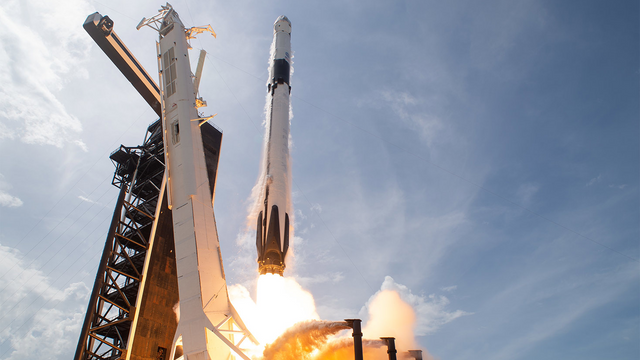
A SpaceX Falcon 9 rocket carrying the company’s Crew Dragon spacecraft is launched on NASA’s SpaceX Demo-2 mission to the International Space Station with NASA astronauts Robert Behnken and Douglas Hurley onboard, Saturday, May 30, 2020, at NASA’s Kennedy Space Center in Florida. (Photo: NASA/Joel Kowsky)
This is the first time that men have been launched into orbit from the United States since the end of the Space Shuttle program in 2011. For the past nine years, the United States has been forced to launch astronauts from the Baikonur Cosmodrome in Kazakhstan aboard Soviet-era Soyuz spacecraft operated by the Russian space agency Roscosmos.
The event was heavily promoted by SpaceX founder and billionaire Elon Musk, the American media and President Donald Trump in a manner that should dispel any excitement that might otherwise accompany another step forward in manned exploration of space. Actually, the launch was not so much a step forward as a retracing of steps that were first taken 60 years ago, in the Mercury, Gemini and Apollo programs.
Without in any way glamorizing the space race of the Kennedy-Johnson years, where the driving force was the Cold War struggle between American imperialism and the Soviet Union, there is something degraded and shabby about prostituting space exploration to the naked commercial interests of a billionaire whose expertise in technology is in the “engineering” of financial services—Musk made his first fortune as a co-founder of the Paypal web site, before going on to ventures like Tesla.
The launch was not primarily about the development of science or technology, but about elevating Musk’s wealth, which according to Forbes stands at $37.2 billion in the wake of the launch, and to promote nationalism and militarism in space, embodied by the #LaunchAmerica hashtag.
Saturday’s launch is being used to validate all aspects of the Crew Dragon spacecraft, above all its ability to safely deliver its crew to space and back to the ground. But this is not fundamentally new technology, despite claims that Musk was the “#1 Innovative Leader” in 2019. The Dragon capsule is essentially a bigger version of the Gemini and Apollo crew compartments developed in the 1960s, albeit with modern touch screen controls and navigation panels, instead of walls covered in buttons and switches.
And while the ability to consistently recover the Falcon 9 boosters and reuse them is an advance, the rockets are still based on the crude process of setting some combination of kerosene, liquid oxygen and liquid hydrogen on fire and using the resulting detonation to lift human beings many thousands of miles above the earth—just as was done in the 1960s. Their safe delivery to orbit and back is due to the collaboration of hundreds of thousands of scientists and engineers in the US and the Soviet Union who worked on this problem in the 1950s and 1960s, and their successors around the world today. Musk’s commercial enterprise is based on appropriating this work to build his private fortune.
In addition, there are still risks with the Dragon capsule itself. The history of private space flight is dotted with casualties caused by companies taking risks that have already been proven very high through the experiences of manned and unmanned space flight for the past 70 years. SpaceX itself has had three major failures involving the loss of a rocket, including one involving an explosion of a Dragon spacecraft after the launch abort system malfunctioned. The company has also had issues with its parachute system, the one that will be used to guide the ship to a soft landing when it returns to Earth.
The relationship of SpaceX and other companies with NASA is such that the agency has very little independent oversight of the technologies being used. Compared to the space program’s height in the 1960s, there is little transparency and a much hollowed-out NASA. The Apollo 1, Challenger and Columbia disasters demonstrate the even the smallest oversights and errors can become catastrophic.
One should also not forget that Musk also runs Tesla, where he ordered 10,000 Tesla workers back into his Fremont, California factory to resume production of his electric car line. In his criminal pursuit of profits, the CEO openly defied public health authorities after the plant had been closed to help prevent the spread of the coronavirus pandemic. While no one has died as a result of the Demo-2 launch, at least so far, the lives and health of thousands of workers have been put in danger by Musk’s reckless and ignorant trampling on science in pursuit of Tesla’s reopening.
Then there is Trump, who boasted that “the United States has regained our place of prestige as the world leader” in space flight, virtually on the same day that the United States confirmed its role as “world leader” in the COVID-19 epidemic, with 100,000 deaths and 1.7 million infections.
“We once again proudly launch American astronauts on American rockets—the best in the world—from right here on American soil,” Trump continued, although it is doubtful that the rocket or the capsule is “American” except in the sense of the corporate ownership: the components emerge from a global labor process involving workers in dozens of countries.
By “prestige,” Trump is referring to American geopolitical dominance in space, which existed in some fashion after the dissolution of the Soviet Union, but which has been shattered in recent years, as NASA launches ceased and the US depended on Russian launches, while China conducted a successful landing on the far side of the Moon, while India carried out the destruction of a satellite in low-Earth orbit, among other space-based activities by other nations.
In Trump’s mind, freeing the United States from its dependence on Russia now enables the US military to more fully flex its newest branch, the Space Force, which was pushed for by his administration and formally created as part of the most recent $738 billion defense budget, with bipartisan support. When it was first announced, the Trump administration made clear that the creation of the Space Force was directly linked to war preparations against China and Russia.
As the Washington Post spelled out, the rockets developed by SpaceX expand the Pentagon’s “launch market.” In other words, new rockets can be transformed into new types of missiles, providing the US military with more options for the mass extermination of whole populations. In contrast, these new ways to get to space are not going to be used for many if any scientific programs, several of which Trump has cut funding for, particularly those that study the effects of climate change on the environment.
The launch was also the culmination of the drive to privatize human spaceflight that was initiated by the Obama administration. Since SpaceX and Boeing were awarded contracts to fly astronauts to the ISS in 2014, both the Obama and Trump administrations have put their weight behind the expansion of commercial space programs at the expense of NASA.
Trump has particularly thrown his support behind SpaceX and Musk, whom he considers a friend, over Boeing’s Starliner as well as Blue Origins, owned by Amazon CEO Jeff Bezos, whom Trump considers a political enemy. Some of the underlying politics of this came to the fore in the days before the launch: NASA’s head of human space exploration, Douglas Loverro, resigned after awarding a large contract to Blue Origins apparently made him an outcast at the White House. Loverro’s sudden departure almost caused the Demo-2 launch to be canceled.
The president has also asserted commercial and property rights in space, particularly for US companies. Trump signed an executive order in April, which declares that “the United States does not view it [space] as a global commons,” and that “[s]uccessful long-term exploration … will require partnership with commercial entities to recover and use resources,” and these will require “the right to commercial recovery.”
Trump is no doubt including Musk in these calculations, especially as the latter has designs about traveling to Mars, with the implication that he could personally own a whole planet.
It should also be noted that this is not the “first time in human history” that astronauts have “entered the @Space_Station from a commercially-made spacecraft,” as proclaimed by NASA. The Space Shuttle, which docked multiple times with the ISS as well as helping assemble it, was built by the United Space Alliance, Thiokol/Alliant Techsystems, Lockheed Martin/Martin Marietta and Boeing/Rockwell. These companies have also played major roles in producing the other rockets NASA has used or still uses to send people and satellites into space.
Whatever the pretensions of Musk or the Trump administration, however, the reality is that traveling to space is a necessarily international endeavor. Even the Crew Dragon launch itself required personnel stationed at various places in the Atlantic Ocean and in Ireland in case the mission had to be aborted after the rockets fired. Once in orbit, a network of satellites and ground stations operated by countries around the world were used to maintain contact with the astronauts in the Crew Dragon as they made their way to a space station built using the combined efforts of space agencies and engineering firms in 16 different countries–the US, Russia, Canada, Japan, Brazil, Belgium, Denmark, France, Germany, Italy, the Netherlands, Norway, Spain, Sweden, Switzerland and the United Kingdom.
During the commentary before last Wednesday’s aborted launch, astronaut Leland Melvin spoke to this side of space travel, in remarks worth quoting at length. “When I first went to space, I thought my primary task of installing the Columbus laboratory would be my ‘aha’ moment, but it was when Peggy Whitson invited us over to the Russian segment to have a meal. She said, ‘You guys bring the rehydrated vegetables, we’ll have the meat.’
“We’re having this meal and it is with an African American, Asian American, French, German, Russian, the first female commander, breaking bread at 17,500 mph, going around the planet every 90 minutes. And when I think about that perspective shift that I got looking out the window, flying over my home town, flying over [French astronaut Léopold Eyharts’] home town in Paris, flying over [cosmonaut Yuri Malenchenko’s] home town in Russia, it brought us all together as a civilization.
“And I think that’s what space flight does for us. The more people that have the opportunity to go to space will feel like it is an international family of people working together for the good of humanity and all humankind.”
Powerful sentiments, but not ones that can be realized in the world of Elon Musk and Donald Trump. Space exploration, as with all aspects of life, must be wrenched from the stranglehold of imperialism and the drive for private profit if the aspirations contained within it are to ever be fully realized.

Trudeau government exploits pandemic to renew $14 billion arms deal with despotic Saudi regime

Laurent Lafrance

Whilst workers, health professionals and the general population have been absorbed by the coronavirus pandemic and the ruling elite’s reckless push to “reopen” the economy, Justin Trudeau’s Liberal government has moved to patch up its relations with the despotic Saudi regime—including as a leading arms supplier.
On April 9, just as Canada was beginning to see a dramatic surge in COVID-19 infections across the country, the Trudeau government lifted its moratorium on the issuing of new export licences for arms shipments to Saudi Arabia. The ban was originally adopted as part of a hypocritical public relations exercise, undertaken by the Trudeau government after the Saudi regime’s grisly murder of journalist Jamal Khashoggi in October 2018 had provoked international anger and revulsion.
The Liberals’ “moratorium” was adopted above all to divert attention from revelations that the Saudi army used Canadian-made light armoured vehicles (LAVs) and other military equipment to suppress an uprising in the eastern part of the country in 2014. Canadian military equipment has also played a role in Riyadh’s bloody war on neighboring Yemen, which has led to the deaths of tens of thousands of civilians and left the country in ruins.
The Trudeau government launched a year-long “review” of how the Saudis have used LAVs manufactured at a London, Ontario-based General Dynamics’ subsidiary under a $14 billion Canadian government-brokered arms deal. The probe was conducted by Global Affairs, the new name given to Canada’s Foreign Ministry, which plays a central role in advancing Canada’s imperialist interests and ambitions abroad.
Predictably, the government review, which will not be made public, concluded that there was “no substantial risk” that the Saudi government, which beheads dozens of people every year and tortures political opponents, would use Canadian-made arms to violate human rights. It even claimed that the exports would “contribute to regional peace and security.”
Amnesty International, Project Ploughshares, Oxfam and other groups have condemned the Trudeau government’s decision, which they claim will inevitably cause death and devastation in the entire region. These organizations also criticized the “hypocrisy of the Canadian government” for approving military exports to Saudi Arabia while voicing support, only days later, for a UN call for a global ceasefire during the pandemic.
The attempt by Canadian imperialism to pose as a defender of “human rights” merits unreserved condemnation and contempt. As the Trudeau government works behind the backs of the population to ratchet up exports of weapons to one of the most world’s repressive regimes, it has engaged in public criticism of China over its “human rights violations” in Hong Kong. In alliance with the Trump administration, which has incited police and National Guard troops to brutally attack the mass protests against police violence currently sweeping the US, Trudeau’s Liberals are cynically invoking human rights to facilitate an imperialist campaign of aggression against Beijing. This includes economic pressure and preparations for military conflict.
The government “review” of Canada’s Saudi arms exports was, from the beginning, a “democratic” farce not worth the paper it is written on. It is no secret that the absolutist Saudi regime—long the world’s largest purchaser of foreign weapons—has one of the world’s worst human rights records, at home and abroad. Now led by Crown Prince Mohammed bin Salman, it has invaded Yemen, financed al-Qaeda linked militias in Syria and Libya, and in close cooperation with Washington is engaged in intrigue across the Middle East, above all in US preparations to wage war on Iran.
While government officials still refuse to divulge details of the contract between Saudi Arabia and General Dynamics Land Systems Canada (GDLS), CBC obtained details of the 2014 contract two years ago. It called for the sale of more than 700 of the newly developed LAV 6s, including 119 with “heavy assault” 105-millimetre cannons. It also included a 14-year support program that involves maintenance, as well as ammunition and crew “training” in Canada and Europe.
Showing that the “humanitarian” rhetoric of Trudeau and his Liberals is nothing but demagogy, Foreign Affairs Minister Francois-Philippe Champagne acknowledged that “the human rights record of Saudi Arabia remains troubling” even as he announced the lifting of the ban on new military export permits. Typical of the Liberals’ deceit and hypocritical cant, he went on to claim that Canada “will continue to advocate for human rights.” Champagne pledged to create an “advisory panel of experts” to “strengthen” Canada’s arms export approval process and to push for an “international inspection regime” for arms sales. These gestures are transparently “democratic” varnish meant to cover over Canadian imperialism’s criminal activities abroad.
With the aim of obscuring Canada’s support for the Saudi regime, Champagne justified Ottawa’s decision to resume issuing export licences for the LAVs with the claim that failure to do so would have “resulted in billions of dollars in damages.” He also said the decision would “save” thousands of Canadian manufacturing jobs and help alleviate the economic impact of the COVID-19 pandemic.
The Liberals’ supposed concern for jobs should not be taken seriously by anyone. It comes from a government whose response to the coronavirus crisis has focused on bailing out the major banks and big business to the tune of more than $650 billion, while placing workers on rations. The widely-touted wage subsidy program, through which the government pays 75 percent of a worker’s wages if their employer keeps them on the payroll, has largely been shunned by businesses determined to carry out job cuts, so they do not have to pay payroll taxes and any benefits. Even those companies that initially participated in the scheme, like Air Canada, have used it to buy time in order to carry out comprehensive restructuring plans at workers’ expense.
Another argument advanced by the Liberal government to justify the arms deal is that it was imposed upon them by the Conservative government of Stephen Harper. This claim passes over the fact that although the deal was signed under Harper, it was finalized under the Liberal government.
The Liberals employ somewhat different foreign policy rhetoric than did Harper, who celebrated Canada as “a warrior nation.” This includes Trudeau’s claims that Canada is pursuing a “feminist” foreign policy. But behind phony “human rights” rhetoric, the Liberal government has integrated Canada ever-more fully into the military-strategic offensives of US imperialism, the world’s most aggressive and lawless power, including in the Middle East.
Ottawa has lent support to the development of a US-led anti-Iranian alliance involving Israel, Saudi Arabia and the Gulf sheikdoms. This found its clearest expression in the Trudeau government’s endorsement of the Trump administration’s illegal assassination of Iranian military commander Qasem Soleimani in January.
The Trudeau government, like its Liberal and Conservative predecessors, has invoked “human rights” to justify a series of violent Canadian imperialist military interventions around the globe. Under Trudeau, Canada expanded its involvement in the ongoing US-led war in Syria and Iraq and is playing a major role in NATO’s drive to threaten and strategically encircle Russia and China.
The trade union-backed New Democratic Party and Bloc Quebecois have criticized the Trudeau government’s highly unpopular decision to continue arming the Saudi regime. But their criticisms of Liberal hypocrisy over “human rights” are utterly hollow since they themselves fully support Canadian imperialism’s alliance with Washington—the bulwark of the Saudi regime, Israel and reaction in the Middle East, as around the world. During the campaign for last October’s federal election, the NDP even attacked the Liberals from the right, demanding that their planned massive military spending increases be implemented more effectively to ensure the rapid rearmament of Canada’s Armed Forces.
For the Canadian ruling class, the Saudi arms deal will serve to improve relations with the despotic regime in Riyadh, as well as pleasing Washington. Canada-Saudi diplomatic relations soured in 2018 when Riyadh reacted angrily to Canadian Foreign Minister Chrystia Freeland’s criticism of the Saudi security forces’ arrest of women’s rights activists, including Samar Badawi, the sister of jailed blogger Ralph Badawi, whose wife is a Canadian citizen.
Freeland’s social media post was part of the Liberal government’s efforts to conceal Canada’s substantial economic ties with, and political support for, the Saudi dictatorship. But to the ruling elite’s dismay, Saudi Arabia retaliated with punitive economic and diplomatic measures, including threats to block commercial deals with Canada and conduct a fire-sale of Canadian-held assets, with no opposition from the Trump administration.
Behind the diplomatic standoff, the two countries pursued their commercial relations. It was revealed that even pending the outcome of Ottawa’s “investigation” of Saudi human rights violations, Canada sent military equipment to the country, including LAVs worth more than $1 billion.
Reports have documented how the Saudi regime has deployed Canadian-made weaponry as part of its near-genocidal war against the Yemeni population. The conflict, launched in 2015, has killed tens of thousands of people, including countless innocent women and children. According to relief agencies, 80 percent of Yemen’s population is in need of humanitarian aid, while over half of the 30 million population is on the brink of starvation.

Australian bushfire inquiry examines the terrible impact of smoke inhalation

John Mackay

The federal government’s Royal Commission into National Natural Disaster Arrangements began its hearings last week into the unprecedented and devastating 2019–2020 Australian bushfires. The fires were responsible for 33 deaths, the destruction of at least 3,000 homes, 7,000 outbuildings, the burning of more than 12 million hectares of land and the death of more than one billion native animals.
Initial presentations focused on climate change, as well as the wildlife and health impact of the fires. The commission will continue this week with the final report due in August, the beginning of the next bushfire season.
Sydney’s central business district enveloped in smoke in December (Photo: Climate and Health Alliance)
A study published in the Medical Journal of Australia (MJA) in March and presented to the commission analysed the death rates in the regions impacted by the bushfires. It demonstrated there was a significant increase in deaths and hospital admissions in areas affected by high levels of bushfire smoke. It estimated that the number of deaths was more than ten times the number killed directly by the bushfires.
The data presented by Associate Professor Dr Fay Johnston from the University of Tasmania, the author of the study, revealed bushfire smoke was responsible for an estimated increase of 445 premature deaths. There was also an increase of 3,340 hospitalisations due to heart and lung conditions, while a further 1,373 presented to emergency departments due to asthma.
The poorest air quality from the bushfires was predominately in south eastern regions of Australia where millions were exposed to record fine particulate levels for many weeks. At this time, many of the major cities and surrounding regions recorded levels of air pollution higher than the top polluted cities in the world, such as Delhi in India, Lahore in Pakistan and Shenyang in China.
For days and weeks on end, the cities of Sydney, Melbourne, Brisbane, as well as smaller regional towns and cities such as Canberra, experienced air pollution levels up to 26 times above levels considered hazardous to human health. A pollution index value of 5,185 was reached on the highest day in Canberra—a rating of 200 is considered hazardous to health. The authors of the MJA study using data on existing death rates and hospital admissions were able to estimate the numbers of excess deaths, hospitalisations for cardiovascular and respiratory problems, and emergency department presentations with asthma in the Australian states that were directly impacted by bushfire smoke exposure.
These were New South Wales (NSW), Queensland (Qld) and Victoria (Vic) and the Australian Capital Territory (ACT) over the spring and summer months from October 2019 to February 2020. This equated to 19 weeks of continuous fire activity.
Dr Johnston told the Guardian in March that this type of study was important, as it was “the only way to get a quick ball park idea of the health impacts.” To understand other aspects of the detrimental health effects of air pollution can take many years for the data to be collected and the impact assessed and published.
“The fires were unprecedented in Australia’s history, in terms of vast amounts of smoke, the huge populations affected by the smoke and the long duration,” she told the Guardian. Sydney, Australia’s largest city, experienced 81 days of poor or hazardous air quality in 2019, more than the total number days in the previous 10 years. Johnson said that 80 percent of Australia’s population was exposed to the bushfire smoke.
Many of those who had died would have likely been older patients with pre-existing heart or lung disease. However, asthma does not discriminate on the basis of age and it is likely many of the premature deaths could have involved younger people.
The bushfire smoke presented a significant public health threat. It is well known that it contains fine particulates small enough to be inhaled that can then be deposited in the airways of the lungs and absorbed into the bloodstream.
These particles are known to have negative cardiovascular effects leading to cardiovascular disease, or can exacerbate established cardiovascular disease, as well as causing or exacerbating other medical conditions . The study’s findings are likely to be conservative estimates. As one of its co-authors, Professor Bin Jalaudin from the University of New South Wales, stated: “We only looked at four states for a defined period from the first of October 2019. There were some fires in September which we did not take into account and also those in other states.”
“Secondly, we only looked at the outcomes where we have strong evidence. There are many other health effects caused by bushfires, for example mental health effects, hospital admissions or ED visits for other conditions which we did not evaluate—either because it is difficult to obtain such information, or because the links between air pollution and these conditions are not as strong.
The study was not able to account for the full impact of the fires and smoke on people on the frontline, including firefighters and the communities directly affected. Those with burns, acute smoke inhalation and other injuries may not have attended hospital at this time and thus may not have been included in the data analysed.
Studies of bushfires as well as the burning of agricultural land have found links to increases in cardiovascular mortality, the risk of developing cardiovascular disease and heart attacks.
In 2014, the journal Environmental Health demonstrated by looking at 46 days between 1996–2007 affected by bushfire smoke that there were increases in hospital emergency department attendances for respiratory and cardiac disease. It found the increase persisted up to three days after each event. An earlier study by the same group in the journal Environmental Research in 2011 found a 5 percent increase in non-accidental mortality in examining 48 days of fire smoke.
Other studies internationally point to longer term health issues. In children, the link between smoke exposure and declines in lung function in non-asthmatic children has been established as well as increased visits for respiratory problems. In those with known lung disease, the need for increased medication use following bushfires has also been established.
Other studies suggest smoke exposure can impact birth outcomes. One study published in 2012 in the journal Environmental Research investigating birth outcomes after the 2003 California wildfires found lower birth weights in babies born after fire. Low birth weight is implicated with a variety of negative health outcomes later in life that can include respiratory and cardiovascular disease, as well as cancer and psychiatric problems.
Climate change has resulted in an increased frequency of fires. Measurements of global surface temperatures have found 17 of the 18 warmest years from 1880-2017 have all occurred since 2001, with the exception of 1998. A study published as far back as 2006 in the prestigious journal Science found strong correlations between increased wildfire activity on the US West Coast and climate change.
The study found the number of wildfires from 1987 to 2003 was almost four times the average of 1970 to 1986. The total area burned by these fires was more than six times higher. The study also noted that the fire season was longer, increasing by 78 days—a 64 percent jump compared to the earlier period between 1970–1986.
The scientific community has been warning for years of the potential impact of climate change with the increased likelihood of warmer temperatures and drought. There were ample warnings that the Australian bushfire season over the spring and summer period of 2019–2020 was going to be a significant danger, amid severe drought conditions.
In April 2019, a letter by 23 top fire and other emergency service officials warned the federal government that the coming fire season would be catastrophic. They called for a national summit to discuss preparations, which included increases in the number of firefighting aircraft. The government ignored the warning, and refused to provide the largely voluntary rural fire services with increases in fire-fighting equipment.
Firefighting services, as well as funding for public health and hospital services, have been run down by governments at the federal and state levels, both Liberal and Labor. All of these parties bear responsibility for the tragic loss of life and broader health problems caused the latest bushfires as well as the devastation of agricultural land, bushland and rural communities.

Australia’s richest “Top 20” soar further in wealth during pandemic

Mike Head

Amid the worsening global COVID-19 pandemic, while working people in Australia are facing extreme financial hardship, the accumulation of society’s wealth in the hands of a tiny elite is accelerating.
Alongside mass unemployment and under-employment, the combined fortunes controlled by the richest 20 people are soaring. The Australian Financial Review reported last Friday that the “Top 20” had “enjoyed a cumulative increase in wealth over the past year from $143 billion to $189 billion, a 32 percent bump at a time of wage stagnation for most workers.”
The newspaper’s Chanticleer column celebrated the fact that the wealthy few were either recovering or profiting from the COVID-19 disaster far faster than they had from the 2008–09 global economic breakdown.
“Crisis? What crisis?” Chanticleer asked. “It took more than 12 months for the wealth of Australia’s 20 richest people to recover in the wake of the financial crisis. But COVID-19 has barely dented the fortunes of this elite group.”
At the top of the list, profiting from high iron ore prices, mining heiress Gina Rinehart’s worth “leapt a staggering 53 percent to $21.2 billion, making her Australia’s wealthiest person.”
Fellow mining magnate Andrew Forrest did even better, mainly because of iron ore production problems in pandemic-blighted Brazil. He catapulted to fifth spot from eighth with $17.6 billion, a 120 percent rise, on the back of a 65 percent rise in share prices for his Fortescue Metals Group. He also netted $1.4 billion in dividends during the past two years alone.
Others have benefited from the pandemic, and its associated share price boom, even more directly. “The worldwide lockdown and resulting work-at-home revolution have pushed software developers Mike Cannon-Brookes and Scott Farquhar into the top three with fortunes above $18 billion [each],” the newspaper reported.
The two software entrepreneurs rose to number 2 and 3 on the list because speculative investors have driven up the price of the US Nasdaq-listed shares of Atlassian, their company, by nearly 50 percent in the past year.
While these fortunes were being expanded, millions of workers—20 percent of the workforce—were unemployed or under-employed, even by the vastly under-stated official statistics. Many face financial disaster and impoverishment, and were in danger of losing their homes due to inability to pay rent or mortgage repayments.
One of the most obscene examples of the super-rich benefitting from the misery of the population is the rise of the two founders of buy-now, pay-later provider Afterpay, which profits by offering credit to cash-strapped households.
“Nick Molnar and Anthony Eisen, are, so far this year, the biggest winners of those occupying the Financial Review Rich List,” the newspaper reported.
After initially suffering a share crash when global lockdowns began, their fortunes reversed as governments unveiled huge and unprecedented business bailouts. “Afterpay had a Lazarus moment. Its shares hit a record high $50 this week, valuing equity stakes held by both its founders at over $1 billion apiece.”
Due to the uncertainties generated by the still-spreading pandemic and the escalating US confrontation with China, the financial newspaper delayed its annual Rich 200 List until later in the year. One of the greatest doubts hangs over the future of lucrative exports to China, including iron ore, as the Trump administration ratchets up its measures against Beijing.
However, the results for the richest 20 so far are enough to illustrate the immense concentration of wealth since governments around the world bailed out the financial elite after the 2008 global economic breakdown.
The 20 people on the list are a far more privileged layer than the top 1 percent. They represent an even tinier fraction—0.00008 percent—of the population.
Between 1990 and 2000 the total worth of the 20 wealthiest members of the Rich List grew 221 percent. In the next decade, the same number rose 99 percent. But between 2010 and 2020, the wealth of the top 20 grew a staggering 235 percent.
Even within this layer, the top five of the Rich List command an ever-growing share of the Top 20’s wealth. In 2015, the most affluent quintet represented 30 percent of the Top 20’s $86 billion combined fortune. By 2020, the top five accounted for half the Top 20’s $189 billion total.
This year’s Top 20 result was achieved even though nine of the 20 suffered a decline in wealth, due to the pandemic. They included shopping centre barons Frank Lowy and John Gandel, Crown Resorts major shareholder James Packer and the wealthiest property billionaires, Harry Triguboff, Lang Walker. Drops in rents and property prices reduced their pre-pandemic valuations.
The astronomical surge in wealth in the hands of so few began to take off four decades ago, spurred by the pro-corporate economic restructuring imposed by the Labor governments of Hawke and Keating, working in close partnership with the trade unions.
When the Rich List was launched in 1984, the first full year of the Hawke government, the 200 richest people had a combined wealth of $6.4 billion. Now the top 20 alone hold 30 times that much.
The Top 20 List is just the latest proof that the social polarisation has widened since the 2008–09 crash. A Roy Morgan survey last year showed that people in the top 10 percent obtained a more than 60 percent rise in wealth between 2007 and 2019. They went from an average of $1.2 million to almost $2 million per person, while the bottom 50 percent of the population went backward, marking an historic decline in living standards.
Despite the much-peddled myth that Australia is a relatively egalitarian country, this concentration of wealth is in line with the trend of global capitalism, increasingly dominated by handfuls of oligarchs. According to charity Oxfam, the planet’s 26 richest billionaires own as much as the 3.8 billion people in the poorest half of the world’s population.

Thousands of retail jobs eliminated in Sprint and T-Mobile telecom merger

Kevin Reed

When the $30 billion merger between wireless carriers Sprint and T-Mobile was finalized on April 1, T-Mobile CEO John Legere claimed that the combined company was about “creating new, high-quality, high paying jobs,” and the deal would be “jobs positive from Day One and every day thereafter.”
However, reports are now emerging that thousands of jobs are being eliminated as T-Mobile has moved aggressively to close down between 1,200 and 2,000 of its Metro prepaid phone retail locations. The total number of layoffs from these closures are projected to be around 6,000. Prior to the closures and layoffs, it was estimated that there were 10,000 Metro by T-Mobile locations in the US.
According to TotalTelecom, “T-Mobile have argued that this move has nothing to do with the coronavirus pandemic—which, in fact, could have provided them a handy excuse—but have rather positioned the closures as ‘optimizing their retail footprint.’ The company has not responded to those noting that this mass of job losses runs contrary to their pre-merger promises.”
T-Mobile CEO John Legere outside the New York courthouse on the eve of the approval of the merger with Sprint. Legere claimed that the merger would be "jobs positive from Day One."
In response to the reports, T-Mobile issued an official statement that said, “We are always optimizing our retail footprint as a normal course of business to ensure we are in the best position to support the thousands of communities we serve across the U.S. We recently notified some dealer stores that we will transition them to T-Mobile stores and we will also close a small number of redundant locations.”
Since early on in the merger process, industry and Wall Street analysts have projected that layoffs from redundant staff will impact anywhere from 15,000 to 30,000 jobs. The upper end of this estimate is greater than the total number of pre-merger Sprint employees. With the majority of the layoffs expected in retail, approximately 4,500 jobs will be cut at the corporate headquarters of Sprint in Overland Park, Kansas and T-Mobile in Bellevue, Washington.
The merger between the number three and number four largest wireless companies, T-Mobile (70 million subscribers) and Sprint (54 million subscribers) is creating the second largest firm in the US market, leapfrogging the current number two AT&T (100 million subscribers) and still behind Verizon (154 million subscribers).
The deal was approved on February 11 when Judge Victor Marrero of US District Court for the Southern District of New York ruled over the objections of the attorneys general of 13 states and the District of Columbia who said that the reduction in competition would harm consumers with higher prices.
With a transparently pro-monopoly position, Judge Marrero wrote that he was not persuaded that the combined company “would pursue anti-competitive behavior that, soon after the merger, directly or indirectly, will yield higher prices or lower quality for wireless telecommunications services, thus likely to substantially lessen competition in a nationwide market.”
The lawsuits against the merger concentrated on the impact on consumers and did not raise the issue of job redundancies and the likelihood of mass layoffs.
The merger between Sprint and T-Mobile was long in the making. After an earlier attempt to merge the firms was blocked in 2014 during the Obama administration, ongoing discussions eventually led to a new deal in the spring of 2018.
With the prospect of the wireless carrier industry being reduced to just three giant monopolies, the merger was finally engineered through the intervention of the US Justice Department’s antitrust division and the Federal Communications Commission. These agencies came through with a convoluted arrangement involving the entry of Dish Network—a direct-broadcast satellite TV provider—as a fourth competitor in the market.
The deal required Sprint to sell to Dish, at a price of $5 billion, its prepaid wireless business units Boost Mobile and Virgin Mobile and move 9.3 million mobile subscribers to the satellite TV company, which was otherwise going to go out of business. The idea that Dish represents a legitimate “major” competitor with about 2 percent of the market indicates the fig leaf nature of the arrangements involved in getting the Sprint and T-Mobile deal to go through.
As analyzed by The Motley Fool, “Aside from the massive investment, Dish must excel at something it’s never done—operate a nationwide mobile network. And it will have to go up against three entrenched competitors. That’s a huge challenge that many doubt Dish can pull off …”
The backdrop to the consolidation of the wireless carriers is the transition to 5G networks. The ultra-highspeed, fifth generation of broadband wireless technologies is being rolled out to consumers by Verizon and AT&T currently with marketing promises that “it will change everything” and “transform the future.”
The next-generation 5G wireless technology promises to enable things like ultra-high definition (4K) video streaming, virtual reality, artificial intelligence and the much-vaunted internet of things (IoT). Through IoT, millions of intelligence devices will be wirelessly connected, enabling the self-driving vehicle and transportation infrastructure and creating “smart” cities and factories.
In all of these endeavors the improvement of life is a tertiary concern behind the enormous profits that are expected from the anticipated $1.1 trillion in investment being poured into 5G development projects internationally. In the consolidation process that is required to implement the latest generation of wireless broadband communications technology, the wireless carriers and the manufacturers of devices are being driven to reduce the number of employees and extract greater profits out of those who still have jobs by reducing their wages.
Knowing full well about the impending job destruction from the Sprint and T-Mobile merger from the start, the Communications Workers of America (CWA) has collaborated with the wireless carriers in the restructuring of the industry that is underway. By diverting the struggle of telecom workers in defense of jobs, wages and benefits into various fruitless appeals to the Democrats in Congress and keeping the workers at the different firms isolated from each other, the CWA operates as a willing accomplice in the attacks on workers.
The first step in the fight against the destruction of jobs is the development of rank-and-file committees of wireless employees in every workplace whether it is the corporate offices, technology centers or retail locations. Telecom workers must reject the anti-Chinese chauvinism of the Trump administration, the Democrats and the unions and must unite across borders in a common fight for a socialist program, including the transformation of telecom monopolies into public utilities, owned and controlled by the working class.